Cerca
Pharmacological Interventions
The use of medication to manage withdrawal symptoms, reduce cravings, or treat co-occurring mental health disorders e.g., methadone, buprenorphine, naltrexone.

Smoking Cessation Intervention for People with Severe Mental Illness
It is well documented that people with severe mental health issues are more likely to smoke compared to the general population. Smoking reduces physical wellbeing and is a key modifiable risk factor for health inequality. Despite this...

Molecular Neuroscience at its “High”: Bibliometric Analysis of the Most Cited Papers on Endocannabinoid System, Cannabis and Cannabinoids
Abstract
Background
Cannabis, cannabinoids and endocannabinoids are heavily investigated topics with many articles published every year. We aimed to identify the 100 most cited manuscripts among the vast literature and analyze their...
Combining Medically Assisted Treatment and Twelve-Step Programming: A Perspective and Review
ABSTRACT
Background: People with severe substance use disorders require long-term rehabilitative care after the initial treatment. There is, however, a deficit in the availability of such care. This may be due both to inadequate medical...
Acute Effects of Smoked and Vaporized Cannabis in Healthy Adults Who Infrequently Use Cannabis
Key Points
Question: How does smoked and vaporized cannabis acutely influence subjective drug effects, cognitive and psychomotor performance, and cardiovascular measures in healthy adults who infrequently use cannabis (>30 days since last...
Evaluation of Amphetamine-Related Hospitalizations and Associated Clinical Outcomes and Costs in the United States
Key Points
Question: What are the current trends in frequency and costs of amphetamine-related hospitalizations in the United States?
Findings: In this cross-sectional study of approximately 1.3 million amphetamine-related US...
Il recettore cannabinoide 1 si associa ai recettori NMDA per produrre ipofunzione glutammatergica: implicazioni nella psicosi e nella schizofrenia
Il sistema endocannabinoide è diffuso in tutto il sistema nervoso centrale e il suo recettore di tipo 1 (CB1) svolge un ruolo cruciale nel prevenire la neurotossicità causata dall'attivazione dei recettori del glutammato N-metil-D-aspartato...
Emergency Department Screening and Interventions for Substance Use Disorders
Abstract
The emergency department (ED) has long been recognized as providing critical access to the health care system for many, yet only in the past few decades has the ED visit been recognized as an opportunity to identify and link...
A Pragmatic Trial of E-Cigarettes, Incentives, and Drugs for Smoking Cessation
ABSTRACT
BACKGROUND
Whether financial incentives, pharmacologic therapies, and electronic cigarettes (e-cigarettes) promote smoking cessation among unselected smokers is unknown.
METHODS
We randomly assigned smokers employed by 54...
Cannabinoids in Glioblastoma Therapy: New Applications for Old Drugs
Glioblastoma (GBM) is the most malignant brain tumor and one of the deadliest
types of solid cancer overall. Despite aggressive therapeutic approaches consisting of
maximum safe surgical resection and radio-chemotherapy, more than 95% of...
Formulazioni oppioidi deterrenti all'abuso
Astratto
Formulazioni di oppioidi deterrenti all'abuso sono state suggerite come un modo per ridurre l'abuso, la dipendenza e il sovradosaggio di oppioidi prescritti per via orale. Dieci formulazioni orali di oppioidi hanno ricevuto l...
Public versus Internal Conceptions of Addiction: An Analysis of Internal Philip Morris Documents
Abstract
Background
Tobacco addiction is a complex, multicomponent phenomenon stemming from nicotine’s pharmacology and the user’s biology, psychology, sociology, and environment. After decades of public denial, the tobacco industry now...
Evaluating Clinical Stop‐Smoking Services Globally: Towards a Minimum Data Set
Abstract
Background and aims
Behavioural and pharmacological support for smoking cessation improves the chances of success and represents a highly cost‐effective way of preventing chronic disease and premature death. There is a large...
Single‐Dose Bioequivalence of Two Mini Nicotine Lozenge Formulations
Abstract
Diverse nicotine replacement therapy options may improve consumer usage. This study was conducted to establish the bioequivalence of a new cherry‐flavored mini lozenge with that of a currently marketed mint‐flavored mini lozenge...
Guidelines on the Management of Co-Occurring Alcohol and Other Drug and Mental Health Conditions in Alcohol and Other Drug Treatment Settings
In a nutshell...
These Guidelines aim to provide alcohol and other drug (AOD) workers with evidence-based information to assist with the management of co-occurring, or comorbid, AOD and mental health conditions. They represent an update...
The National Protocol for Treatment of Substance Use Disorders in Kenya
Substance (Drug) Abuse is increasing in Kenya and especially among the youth. Current statistics indicate that more than half of drug users are aged 10-19 years. Most studies done in the country indicate that the commonly used drugs are...
Time‐Dependent Neuronal Changes Associated with Craving in Opioid Dependence: An fMRI study
Abstract
Relapse after initially successful treatment is a significant problem facing the treatment of opioid dependence. Evidence suggests craving elicited by re‐exposure to drug cues may precipitate relapse. Attempts to identify neural...
Nabiximols combinato con miglioramento motivazionale / terapia cognitivo comportamentale per il trattamento della dipendenza da cannabis
Astratto
Sfondo
L'attuale mancanza di trattamenti farmacologici per il disturbo da uso di cannabis (CUD) giustifica nuovi approcci e ulteriori indagini sulla promettente farmacoterapia. In precedenza abbiamo dimostrato che i nabiximoli...
Measuring Treatment Outcomes in Gambling Disorders
Abstract
Background and Aims
Considerable variation of outcome variables used to measure recovery in the gambling treatment literature has precluded effective cross-study evaluations and hindered the development of best-practice treatment...
Guía de intervención mhGAP para los trastornos mentales, neurológicos y por consumo de sustancias en el nivel de atención de salud no especializada. Versión 2.0
Los trastornos mentales, neurológicos y por consumo de sustancias (MNS) son muy frecuentes y representan una gran carga de enfermedad y discapacidad a nivel mundial. Subsiste una amplia brecha entre la capacidad de los sistemas de salud y...
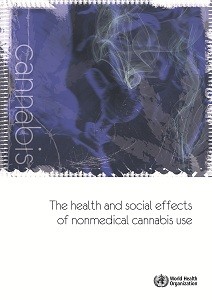
The Health and Social Effects of Nonmedical Cannabis Use
Foreword
Cannabis is globally the most commonly used psychoactive substance under international control. In 2013, an estimated 181.8 million people aged 15-64 years used cannabis for nonmedical purposes globally (UNODC, 2015). There is an...