Cerca
 Data
Data
Systematically collected information used to understand patterns of substance use, substance use disorders, treatment needs, and drug market dynamics. This may include epidemiological data, service utilisation records, treatment outcomes, law enforcement intelligence, and public health surveillance. Data helps identify emerging trends, assess the effectiveness of prevention and treatment programmes, monitor trafficking and market activity, and guide evidence-informed policy and decision-making. Reliable data systems are essential for improving responses to substance use and ensuring that interventions are targeted, effective, and responsive to population needs.


Changes in Smoker Characteristics in England
Smoking in England has decreased over the last decade. It is vital to monitor the trends and examine the factors that may be influencing the downward curve, so as to maintain the pattern and make predictions about future smoking rates.
A...

Atlante degli oppioidi
Gli oppiacei sono alcuni dei farmaci antidolorifici più efficaci per i pazienti affetti da cancro e dolore correlato alla chirurgia.
Sfortunatamente, i farmaci in questa classe sono anche usati come droghe d'abuso. Nonostante l...
Lisbon Addictions: Presentations & Posters
Following their 2019 conference, the Lisbon Addictions team have gathered posters and information about the presentations from the event.
The co-producers have built coherent packages of topical strands, sessions and guided poster tours.
...
Alcohol and Cancer Risks: A Guide for Health Professionals
Drinking alcohol increases the risk of mouth cancer, pharyngeal (upper throat) cancer, oesophageal (food pipe) cancer, laryngeal (voice box) cancer, breast cancer, bowel cancer and liver cancer.
Having conversations with patients about the...

WHO Global Report on Trends in Prevalence of Tobacco Use 2000-2025
Tobacco is the only legal drug that kills many of its users when used exactly as intended by manufacturers. WHO has estimated that tobacco use (smoking and smokeless) is currently responsible for the death of about six million people across...
Lo svapo rende i batteri polmonari più dannosi
Nonostante lo svapo diventi più comune di anno in anno, i ricercatori stanno ancora scoprendo le conseguenze a breve e lungo termine dell'uso delle sigarette elettroniche.
La ricerca più recente dell'Università di Belfast ha concluso che i...

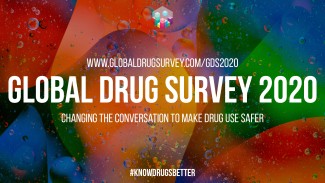
Global Drug Survey 2020
GDS 2020 — GDS believes that the expertise and experience of people who use alcohol and other drugs can be used to inform the creation of better drug policy, whilst helping people use drugs more safely, regardless of the legal status of...
Key Findings from the Illicit Drug Reporting System (IDRS) Interviews
The Illicit Drug Reporting System (IDRS) is an ongoing illicit drug monitoring system which has been conducted in all states and territories of Australia since 2000 and forms part of Drug Trends.
This year, we have provided a suite of...

Ecstasy and Related Drugs Reporting System (EDRS)
The Ecstasy and Related Drugs Reporting System (EDRS) is an illicit drug monitoring system which has been conducted in all states and territories of Australia since 2003 and forms part of Drug Trends.
The EDRS consists of annual...

People Who Inject Drugs: A Global Review
Globally, an estimated 15·6 million people aged 15–64 years inject drugs. Younger people who inject drugs are at higher risk of overdose, drug dependence, and blood-borne virus transmission and engaging in risky sexual behaviour.
In a...
Dare priorità all'azione sull'alcol per la salute e lo sviluppo
A livello globale, si stima che il consumo di alcol causi oltre il 10% del carico di malattie non trasmissibili, tra cui cirrosi epatica, malattie respiratorie, pancreatite, tumori (orale e faringe, laringe, esofago, fegato, colon-retto)...

Post Event Resources: 2019 NDARC Annual Research Symposium
The 2019 National Drug and Alcohol Research Centre (NDARC) Annual Research Symposium was held on Wednesday, 16 October 2019 at the John Niland Scientia Conference and Events Centre, UNSW Sydney.
NDARC have put together a selection of...

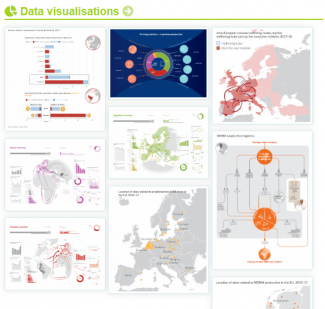
EU Drug Markets Report 2019
The EU Drug Markets Report 2019 is the third comprehensive overview of illicit drug markets in the European Union by the EMCDDA and Europol.
The analysis presented in the report examines topics such as the links between drugs and other...
National Drugs Library: The Irish Situation Factsheets
Il Health Research Board ha aggiornato le proprie schede informative relative al consumo e al trattamento delle droghe in Irlanda.

Launch of 'Sobriety, Abstinence & Moderation' Research Cluster
With recent declines in drinking rates across parts of the world including Europe and Australia – particularly amongst younger people – and the rise of ‘positive sobriety’ movements, ‘dry months’ and online communities, further research...
Responding to Global Stimulant Use: Challenges and Opportunities
Stimulants drugs increase the activity of the central nervous system producing feelings of euphoria, increased confidence, sociability, energy, and wakefulness.
In a recent paper, published as part of the Lancet series on drug use...
Prove in azione: relazione annuale CCSA, 2018-2019
Nel 2018-2019, CCSA ha lavorato con partner in tutto il Canada e a livello internazionale per raccogliere e condividere le più recenti migliori pratiche e consigli sull'uso di sostanze per guidare l'azione dove è importante per i canadesi -...
Serie sull'uso di droghe dalle riviste Lancet
Sintesi
Il panorama del consumo di droga è dinamico e mutevole. Cambiamenti nell'atteggiamento pubblico e nelle leggi nei confronti del consumo di droga si sono verificati in un numero crescente di paesi.
La produzione e il consumo...
Implementing the European Action Plan on Alcohol
Despite efforts to reduce concerning levels of alcohol consumption in Europe through adopting the WHO European Action Plan on Alcohol (EAPA), the region continues to have the highest prevalence of drinkers, heavy episodic drinking, alcohol...

Qual è il legame tra disoccupazione e consumo di alcol?
La disoccupazione giovanile è rimasta stabile ad alto livello in molti paesi negli ultimi decenni.
Nello stesso periodo, sono emerse prove che suggeriscono che la disoccupazione può influire negativamente sulla salute mentale e fisica di...