


Cerca
Treatment Settings
Various treatment formats, either in a live-in facility or through regular visits to a clinic, are designed for ongoing support, to help maintain recovery, and to prevent relapse.

Prevention Programs for Eating Disorders and Obesity in Germany
Luise Adametz, Felicitas Richter, Julia Mühleck, Katharina Wick, Bernhard Strauß, Uwe Berger
Disordered eating and partial eating disorder (ED) syndromes are widespread in childhood and adolescence. They are associated with decreased...
Predittori della risposta al trattamento dopo la formazione sulla gestione dei genitori: fattori di bambino, contesto e terapia
Terje Gunnar Ogden, Kristine Amlund Hagen
Parent Management Training- il modello Oregon (PMTO) è stato introdotto come alternativa terapeutica alle famiglie sia nei servizi di assistenza all'infanzia che nelle cliniche ambulatoriali...
Antiretroviral Therapy (ART) Is the Most Essential Intervention among People Who Inject Drugs (PWID) to Achieve Reduction HIV Transmission through Pwid to Others in Myanmar
Rosie Myint, Wah Wah Lwin
Background: There is a sustained downward trend in HIV prevalence among the sentinel groups which include People Who Inject Drugs (PWID) reflecting the effectiveness of programme for safer sexual behaviors and...
NIDA Humphrey Fellows Participate in ISSUP's Third Workshop
NIDA Hubert H. Humphrey Fellows from Virginia Commonwealth University participated in the Third Annual Meeting of the International Society of Substance Use Professionals. More than 3,000 participants attended the meeting for drug treatment...

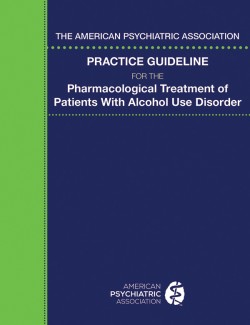
Le linee guida pratiche dell'American Psychiatric Association per il trattamento farmacologico dei pazienti con disturbo da uso di alcol
Razionale
L'obiettivo di questa linea guida è migliorare la qualità delle cure e dei risultati del trattamento per i pazienti con disturbo da uso di alcol (AUD), come definito dal DSM-5 (American Psychiatric Association 2013). La linea...
Universal School-Based Implementation of Screening Brief Intervention and Referral to Treatment to Reduce and Prevent Alcohol, Marijuana, Tobacco, and Other Drug Use
Abstract
Screening, Brief Intervention, and Referral to Treatment (SBIRT) is an evidence-based approach to reducing substance use in adolescents. An emerging literature shows the promise of school-based SBIRT. However, most school-based...
Effectiveness Bank Matrix Cell: Managing Transformation
Key studies on the role of management and supervision in the treatment of problem drug use. Commentary asks, “Is there anything more instructive than *being* the patient?”, explores the role of patient choice and preferences in treatment...
Uso di sostanze, sonno e progettazione dell'intervento
Astratto
Sfondo: L'uso di alcol e altre droghe è associato a scarsa qualità e quantità del sonno, ma esiste una ricerca qualitativa limitata che esplora le esperienze di sonno dei consumatori di sostanze e pochi interventi psicosociali...
Iniziativa iberoamericana per i disturbi duali per migliorare i programmi di trattamento pubblico
Astratto:
Introduzione: I disturbi duali (DD) sono definiti come la co-occorrenza di disturbi da uso di sostanze con altri disturbi psichiatrici nel corso della vita. La DD rappresenta una dimensione diagnostica con peculiarità cliniche...
Overburdened Mental Health Providers Thwart Police Push for Drug Treatment
This article highlights the overburdened health system in West Virginia, including a shortage of behavioral treatment professionals.
Le differenze sessuali nella diagnosi del disturbo da uso di cannabis hanno coinvolto ricoveri ospedalieri negli Stati Uniti
ASTRATTO
Obiettivi: Lo studio ha esaminato le differenze sessuali nella tendenza e nelle caratteristiche cliniche del disturbo da uso di cannabis (CUD) La diagnosi ha coinvolto i ricoveri ospedalieri tra i pazienti adulti.
Metodi: Abbiamo...
Uso appropriato dei test antidroga nella medicina delle dipendenze cliniche
Scopo
Lo scopo dell'uso appropriato dei test antidroga nella medicina delle dipendenze cliniche è quello di fornire indicazioni sull'uso efficace dei test antidroga nell'identificazione , diagnosi, trattamento e promozione del recupero per...
Misuratori di qualità delle comunità terapeutiche per la dipendenza da sostanze
Astratto
Sfondo
In America Latina, i disturbi correlati alle sostanze sono altamente prevalenti e una delle strategie di trattamento sono le comunità terapeutiche (TC), tuttavia, in America Latina ci sono dati scarsi su queste strategie...
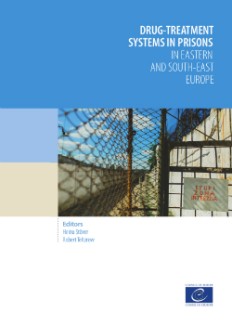
Drug-Treatment Systems in Prisons in Eastern and South-East Europe
This research project on drug-treatment systems in prisons in Eastern and South-East Europe looks in detail into the situation of drug users among criminal justice populations and the corresponding health-care responses in nine countries in...
Effectiveness Bank Hot Topic: The ‘Forgotten’ Carers
One of our selection of hot topics on important issues which sometimes generate heated debate. Both as a treatment resource for the patient and a group needing support in their own right, families affected by substance use are, claimed a UK...
Effectiveness Bank Hot Topic: Does It Matter If Addiction Is a Brain Disease?
Seizing on the theory’s propaganda value, in 1997 the head of the US National Institute on Drug Abuse proclaimed, “Addiction Is a Brain Disease, and It Matters.” His contention has been hailed as a breakthrough or condemned as a...
Cambiamenti nei punteggi di coinvolgimento di sostanze specifiche tra i destinatari SBIRT in un contesto di assistenza primaria per l'HIV
Astratto
Sfondo
L'uso di sostanze è comune tra le persone che vivono con l'HIV (PLHIV) ed è associato a risultati peggiori lungo il continuum di cura dell'HIV. Un approccio clinico potenzialmente efficace per affrontare l'uso di sostanze...
Effectiveness Bank Matrix Cell: The Face of Drug Addiction Treatment
At the front line the practitioner is to the patient the face of addiction treatment. Key research shows they can matter enormously - not so much in their formal qualifications, but in their manner with the patients. Other times it seems a...

Consegna di screening e breve intervento per l'uso di alcol malsano in un centro sanitario accademico urbano qualificato a livello federale
Astratto
Sfondo
Lo screening e l'intervento breve (SBI) per bere malsano non sono stati ampiamente implementati nelle cure primarie in parte a causa della dipendenza dai medici per eseguirlo.
Metodi
Abbiamo implementato un modello di...
Nessun ruolo chiaro per i farmaci nei bevitori meno dipendenti
Nel 2013 nalmefene è stato autorizzato a moderare il consumo di alcol tra i pazienti che non necessitano di disintossicazione, estendendo la farmacoterapia ai bevitori meno dipendenti. Sebbene sia stata autorizzata in modo univoco per...