


Cerca
Treatment Settings
Various treatment formats, either in a live-in facility or through regular visits to a clinic, are designed for ongoing support, to help maintain recovery, and to prevent relapse.

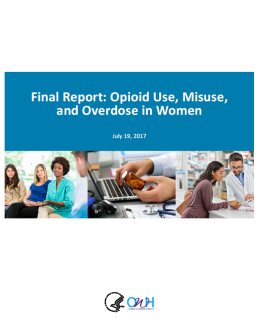
Rapporto finale: uso di oppioidi, abuso e overdose nelle donne
Sintesi
Questo rapporto è stato sviluppato come parte di un'iniziativa del Dipartimento della salute e dei servizi umani degli Stati Uniti (HHS) Office on Women's Health (OWH) per esaminare i problemi di prevenzione, trattamento e recupero...
Towards a New Consensus for Addiction Medicine Training
A new study asks for the opinions of addiction experts, with a view to reaching a consensus on the necessary core skills that medical education ought to cover.
Drug Misuse and Dependence: UK Guidelines on Clinical Management
There is no more important document for doctors treating problem drug use in the UK than the so-called ‘Orange guidelines’. This major update will substantially inform judgements of what constitutes acceptable medical practice - should...
Affrontare l'uso di sostanze da parte dei giovani con programmi in 12 fasi
Un nuovo studio recentemente pubblicato sulla rivista accademica Addiction suggerisce che i programmi di trattamento dell'uso di sostanze che incorporano pratiche in 12 fasi, come quella utilizzata da Alcolisti Anonimi (AA),sono più...
Revisione: Farmacogenetica del trattamento dell'alcolismo: implicazioni della diversità etnica
Astratto
Contesto e obiettivi
Studi farmacogenetici sul disturbo da uso di alcol (AUD) hanno suggerito che l'efficacia dei trattamenti per l'AUD è, in parte, influenzata dal background genetico di un individuo. Poiché la frequenza degli...
Il ruolo della scienza nell'affrontare la crisi degli oppioidi
L'abuso e la dipendenza da oppioidi sono una crisi di salute pubblica in corso e in rapida evoluzione, che richiede soluzioni scientifiche innovative. In risposta, e poiché nessun farmaco esistente è l'ideale per ogni paziente, il National...
Utilizzo del triage comportamentale nel trattamento supervisionato dal tribunale dei trasgressori DUI
La contea di San Joaquin in California ha indicato la strada da seguire verso un sistema che conserva le risorse di trattamento ma ottiene una maggiore riduzione degli incidenti di guida in stato di ebbrezza / droga. La prima valutazione...
Alcohol Treatment Matrix Row 5: Safeguarding the Community
Time to consolidate the lessons of the course’s last five instalments about treatment intended to safeguard the community, the final row of the Alcohol Treatment Matrix. A common theme is the contradiction between treatment centred on the...
Memoria ippocampo-dipendente ed espressione genica allele-specifica nella prole adulta di madri che consumano alcol dopo trattamento neonatale con tiroxina o metformina
Il disturbo dello spettro alcolico fetale (FASD), il risultato dell'esposizione fetale all'alcol (FAE), colpisce il 2-11% dei bambini in tutto il mondo, senza trattamenti efficaci. L'apprendimento basato sull'ippocampo e i deficit di...
Guidelines on Drug Prevention and Treatment for Girls and Women
The publication Guidelines on Drug Prevention and Treatment for Girls and Women by the United Nations Office on Drugs and Crime (UNODC) discusses alcohol and drug use prevalence and trends among girls and women globally.
The document...

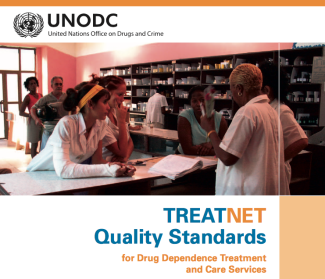
Quality Standards for Drug Dependence Treatment
The TREATNET Quality Standards are based on the United Nations Office on Drugs and Crime (UNODC) Principles of Drug Dependence Treatment and Care.
They represent a set of evidence-based standards for drug-dependence treatment.
Click here...
Principles of Adolescent Substance Use Disorder Treatment: A Research-Based Guide
The National Institute on Drug Abuse (NIDA) presents its Principles of Adolescent Drug Addiction Treatment.
The document focuses exclusively on the realities of substance use among youth (12 to 17 years).
Illegal substances, prescription...
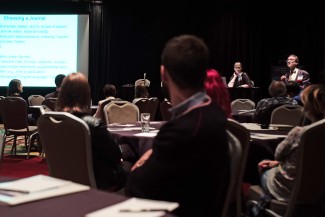
ISSUP at the 22nd Annual National Institute on Drug Abuse International Forum
The 22nd Annual National Institute on Drug Abuse (NIDA) International Forum was held in Montreal, Canada from June 16th – 19th, 2017.
Predicting the Size and Characteristics of the Drug Treatment Population – Technical Methods
Aim and data specification
This analysis was based on monthly data from the National Drug Treatment Monitoring System (NDTMS) from December 2005 to November 2016. NDTMS is taken to be a comprehensive description of drug treatment provision...
Family Therapy for Adolescents with Behavioural Problems
Multidimensional family therapy addresses:
- Mental health, substance use and other behavioural issues affecting young people
- The parents’ childrearing skills/personal functioning
- Parent-child communication/relationship
- Family members'...
Nuovo documento di consenso per i test antidroga nella medicina clinica delle dipendenze
Un nuovo documento di consenso dell'American Society of Addiction Medicine (ASAM) appare nella nuova edizione del Journal of Addiction Medicine.
Il documento fornisce raccomandazioni pratiche e basate sull'evidenza per quanto riguarda l...

Fattori associati alla dipendenza da nicotina durante il trattamento di mantenimento con metadone
Astratto
Obiettivi: Il fumo è associato a esiti avversi per la salute tra i tossicodipendenti, compresi quelli in trattamento. Ad oggi, tuttavia, ci sono state poche prove sui modelli di fumo tra le persone che ricevono un trattamento di...
E-Cigarettes Less Addictive Than Traditional Cigarettes, Study Finds
E-cigarettes are less addictive than traditional cigarettes, according to a new study published in the journal Preventative Medicine.
That said, around 75% of e-cigarette smokers still consider themselves to be dependent on their use.
Mor...
Should you Recommend Acupuncture to Patients with Substance Use Disorders?
Acupuncture is an ancient therapeutic tool known to be the core of traditional Chinese medicine. Two theories suggest positive outcomes in patients treated with acupuncture:
- The oxidative stress reduction theory states that a “large body...
Abuso e dipendenza da droghe: linee guida del Regno Unito sulla gestione clinica
Spesso chiamato Orange Book, questa è una guida per i medici che trattano persone con problemi di droga.
Questa versione 2017 offre nuove linee guida su:
- Trattamento in carcere
- Nuove sostanze psicoattive e droghe club
- co-morbidità...
