

Cerca
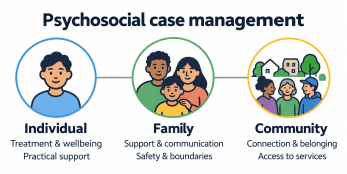
 Treatment
The range of medical, psychological, and social services designed to help individuals reduce or stop substance use and manage substance use disorders. Treatment may include assessment, counselling and behavioural therapies, medication-assisted treatment, withdrawal management, and support for co-occurring mental or physical health conditions. Effective treatment is typically person-centred and evidence-informed, and may be provided in outpatient, community, or residential settings. Treatment aims to improve health and functioning, reduce substance-related harms, and support individuals in moving toward recovery and long-term wellbeing.



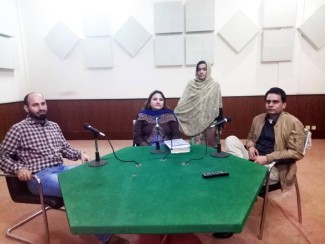
Invited as an Expert on Radio Pakistan FM93 on 23 January, 2019 in Karachi, Pakistan
On 23 January, 2019 I was invited to speak as an expert on substance use prevention on Radio Pakistan Karachi and was asked to answer questions regarding:
- Different types of drugs
- What are the causes of drug abuse?
- Why are people using...
Call for Applications for the SPR Sloboda and Bukoski Cup
Significant advances in prevention science are often due to a team of individuals working closely together across many years. In recognition of the importance of the collaborative process to the field, the Society for Prevention Research...

Analisi della banca di efficacia: guida su alcune delle decisioni più difficili che i terapeuti devono prendere
È un dilemma per tutti i terapeuti e i consulenti: quanto rivelare su di te. Un'altra decisione difficile è quando affrontare direttamente ciò che sta accadendo in terapia. Una revisione per l'American Psychological Association rileva che...
The UN SDG Action Awards
The United Nations Development Programme is accepting nominations for the Sustainable Development Goal Action Awards.
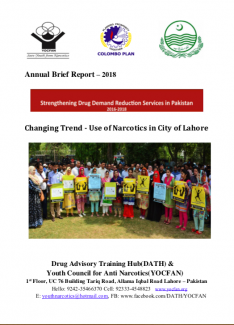
Annual Report: Use of Narcotics in City of Lahore
The Drug Advisory Training Hub (DATH) & Youth Council for Anti Narcotics (YOCFAN) have published the latest annual report on the use of narcotics in Lahore.
The report gives an overview of the current situation in Lahore and outlines the...
Podcast: Efficacia di brevi interventi sull'alcol nelle popolazioni di cure primarie
Il Cochrane Drugs and Alcohol Group è specializzato in revisioni che valutano, tra le altre cose, i modi per ridurre il consumo pericoloso o dannoso di alcol.
Una di queste revisioni esamina le prove sugli interventi brevi forniti dai...
Barriere nel trattamento del disturbo da uso di sostanze
Gli Stati Uniti stanno vivendo una crisi di salute pubblica. Solo negli Stati Uniti nel 2016, ci sono stati oltre 63.000 decessi per avvelenamento da droga. Nonostante queste cifre preoccupanti, si stima che meno del 20% (3,8 milioni)...
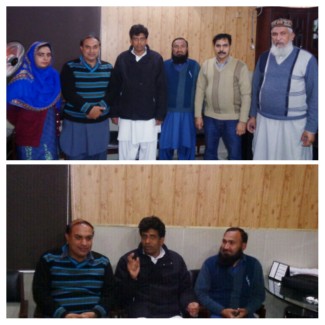
Visit of Mr. Bashir Ahmad Naz, Meeting for Future Collaboration for UTC Training
Mr. Bashir Ahmad Naz, newly elected President, ISSUP Pakistan visited Mian Afzal Trust Hospital (MATH), Gujranwala Pakistan. He was warmly welcomed by Mr. Sana Ullah Rathore, Chair/Executive Director & other board of Directors, MATH, Mr...
National Drug and Alcohol Facts Week
The National Drug and Alcohol Facts Week links students with scientists and other experts to counteract the myths about drugs and alcohol that teens get from the internet, social media, TV, movies, music, or from friends.
Click here for fr...
Sito web: Assistenza alla fine della vita per le persone con uso problematico di sostanze
Questo sito web offre risorse sviluppate da un programma di ricerca di due anni sull'assistenza alla fine della vita per le persone con alcol e altri problemi di droga. Il programma di ricerca è stato il primo del suo genere a esplorare la...
Pricing of Tobacco Products During, and After, the Introduction of Plain Packaging
In 2016 the UK government introduced a policy that required factory-made cigarettes and roll your own tobacco to be sold in plain packaging with pictorial and text warnings.
However, there was reluctance from tobacco companies to “make the...
Interactive Map: Medical Cannabis in the European Union
The vast majority of the countries in the European Union prohibit the production, sale, possession, and use of pharmaceutical-grade herbal cannabis. However, most EU countries allow cannabis-based medicine, such as Sativex, to be prescribed...
Treatment Gap, Help-Seeking, Stigma and Magnitude of Alcohol Use Disorder in Rural Ethiopia
Abstract
Background
Although alcohol use disorders contribute a high proportion of population disease burden, the treatment gap is large, especially in low- and middle-income countries. To narrow this gap, contextually relevant evidence...
Meeting & Dinner Hosted by Unity Group for ISSUP Members in Islamabad, Pakistan
A meeting of ISSUP members Islamabad and KPK province with Candidates of Unity Group of Addiction professionals held at Ramada Hotel, Islamabad. During the meeting Mr. Bashir Ahmad Naz, Mr. Sana Ullah Rathore, Ms. Saima and Ms. Shaista Naz...

Meeting with Mr. King Korean Coffee Owner on 19 January, 2019 at DFPF Office Karachi, Pakistan
Had a great meeting with Mr. King Korean Coffee owner on 19 January, 2019 at Drug Free Pakistan Foundation (DFPF) office in Karachi, Pakistan. Mr. King really appreciated our substance use prevention, treatment, engaging young people and...
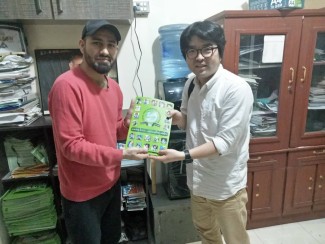
Useful Meeting with Colombo Plan Representative on 18 January, 2019 in Karachi, Pakistan
Drug Free Pakistan Foundation staff had a great meeting with the Colombo Plan for Cooperative Economic and Social Development in Asia and the Pacific-Drug Advisory Programme (DAP) representative Mr. Mohammad Ayub Senior Advisor/Treatment...
UNODC Global eLearning
I corsi di eLearning online dell'UNODC offrono formazione a una comunità di oltre 50.000 funzionari degli Stati membri su minacce alla sicurezza internazionale come la criminalità organizzata transnazionale, il terrorismo, le droghe...
Sessioni di formazione dell'ICUDDR alla conferenza ISSUP in Kenya
L'International Consortium of Universities for Drug Demand Reduction (ICUDDR) ha tenuto diverse sessioni durante la congiunta NACADA, ISSUP e African Union Drug Demand Reduction Conference & Workshop e ha prodotto una selezione di video del...
Effetti variabili per età della frequenza e del disturbo dell'uso di cannabis sui sintomi di psicosi, depressione e ansia negli adolescenti e negli adulti
Un recente studio, pubblicato sul Journal of Addiction, ha esaminato l'associazione tra uso di cannabis, disturbo da uso di cannabis e sintomi di psicosi, depressione e ansia in un campione di adolescenti e adulti. I ricercatori hanno anche...
Psychiatric Comorbidity and Intimate Partner Violence among Women Who Inject Drugs in Europe
It is recognised that women who inject drugs are a highly vulnerable group of people and a section of the population who are at higher risk of showing comorbidities. This further impacts their well-being and can create a barrier to seeking...