Cerca
 Treatment
The range of medical, psychological, and social services designed to help individuals reduce or stop substance use and manage substance use disorders. Treatment may include assessment, counselling and behavioural therapies, medication-assisted treatment, withdrawal management, and support for co-occurring mental or physical health conditions. Effective treatment is typically person-centred and evidence-informed, and may be provided in outpatient, community, or residential settings. Treatment aims to improve health and functioning, reduce substance-related harms, and support individuals in moving toward recovery and long-term wellbeing.


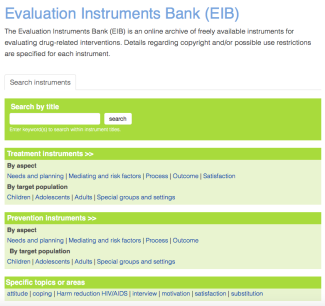
Risorsa gratuita per la valutazione degli interventi di prevenzione e trattamento della droga
La Banca degli strumenti di valutazione (BEI) è una banca dati online di risorse liberamente disponibili per valutare i programmi e le iniziative di prevenzione e trattamento della droga. È possibile cercare nell'archivio per tipo di...
Tobacco and Cancer: Epidemiology and New Perspectives of Prevention and Monitoring in Mexico
Tobacco smoking is a causal risk factor of at least 16 different types of cancer. In Mexico, smoking causes 6,035 premature deaths annually of lung cancer and 5,154 from other types. Additionally, 16,408 new smoking attributable cases are...
Readiness and Barriers to Adopt Evidence-Based Practices for Substance Abuse Treatment in Mexico
Evidence shows a lag in the adoption of evidence-based practices for substance abuse treatment and supports the need for studying the factors involved in this worldwide problem.
Trattare la dipendenza da alcol con relazioni positive
Una "alleanza terapeutica", o in altre parole, una relazione positiva e di fiducia tra consulente e paziente, potrebbe essere la chiave per il successo del trattamento della dipendenza da alcol, secondo un nuovo studio. I pazienti che hanno...
Healthier Alternatives and Natural Highs: The Success of the Icelandic Model
Over the past two decades, Iceland has seen teenage smoking, drinking and drug use dramatically decrease. This is partly because of state-funded initiatives which look to promote healthier alternatives, or ‘natural highs’, such as sport, family-orientated activities and cultural provisions.
A Sip as a Kid, Alcohol Problems as an Adult?
Introducing children to alcohol by way of their parents allowing them sips or tasters of their own drinks is typically viewed as the presiding method used in European countries.
Published in the journal Psychological Medicine, a new...

Neural Processing, Risky Behaviour and Cocaine Use
According to new research published in the journal Biological Psychiatry: Cognitive Neuro-science and Neuroimaging, compared to people without a drug problem, cocaine addicts tend to make riskier choices after losing out on a potential...
Pubblicità di alcolici legata al consumo di alcol da parte dei giovani
I ricercatori sanitari di tutto il mondo hanno fornito nuove prove che suggeriscono che la pubblicità di alcolici è spesso aggressiva, raggiungendo i bambini ed è legata al consumo di giovani.
L'organizzazione australiana, la National...
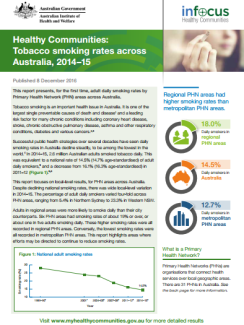
Australian Smoking Habits
Smoking is a serious health issue worldwide. Prevalence, however, has steadily declined across Australia over the last several decades thanks to a number of successful public health campaigns. The number of smokers in the country is now...
Key Points from EMCDDA’s 2016 European Drug Report
As we welcome in the New Year it seems an ideal time to take stock and present the key points from the 2016 European Drug Report (EDR), the European Monitoring Centre for Drug and Addiction’s (EMCDDA) annual review of the European drug...
Le iniziative di prevenzione mirate alla personalità hanno successo?
La ricerca ha scoperto che la personalità di una persona è un utile predittore dell'abuso di droghe e alcol. Un programma notevole che affronta la prevenzione delle sostanze concentrandosi sulle caratteristiche personali è PreVenture. PreV...
Ritorno dalla riabilitazione: quali sono le sfide della reintegrazione?
Il trattamento residenziale "ospedaliero" per l'abuso di sostanze - più comunemente noto come "riabilitazione" - è l'opzione preferita tra coloro che vogliono riprendersi dalla dipendenza.
Il tasso di recidiva entro il primo anno...
Le persone fumano sempre meno?
Secondo nuove scoperte pubblicate sulla rivista Tobacco Control, oltre 53 milioni di persone in 88 paesi hanno smesso di fumare tra il 2008 e il 2014 a causa delle misure di controllo del tabacco.
Statisticamente, ciò significa che durante...
Nuova risorsa online sulle sigarette elettroniche
Il National Center on Addiction and Substance Abuse (CASA) ha recentemente lanciato una risorsa online coinvolgente sulle sigarette elettroniche. La risorsa gratuita mira a offrire a genitori e tutori informazioni facilmente accessibili...
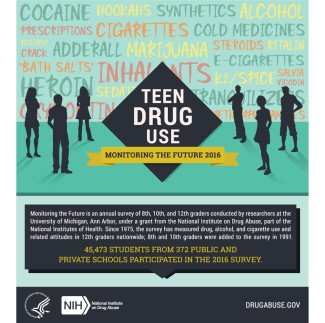
'Big data' sulla gioventù americana
La scorsa settimana il National Institutes of Health (NIH) ha pubblicato i risultati dell'annuale Monitoring the Future Survey.
UTC e UPC in Paraguay
En un acto que se llevó a cabo en la sede de la Facultad de Filosofía de la Universidad Católica "Nuestra Señora de la Asunción", el Rector de la citada Universidad y el Ministro de la SENAD dieron lugar a la firma de un convenio de...
Fumo nei film: adolescenti ed esposizione non regolamentata
Nel suo ultimo rapporto sui film senza fumo, l'Organizzazione Mondiale della Sanità (OMS) ha consigliato ai governi che i film che presentano l'uso del tabacco dovrebbero essere classificati per il loro contenuto per adulti. Pubblicato...
Do Cognitive Processes Influence Nicotine Addiction?
A new study suggests that the way in which the human brain responds to nicotine depends on what a smoker believes about the drug’s content in a cigarette. The investigation found that smoking a cigarette that contains nicotine, but thinking...
Alcohol Use Disorders: Resilience and Risk Behaviour
New research suggests that certain personality traits, such as having a lack of restraint or being impulsive, increase the likelihood of developing alcohol use disorders. On the flip side, the study found that people with high resilience...
2016 National Drug Threat Assessment
The purpose of the DEA's 2016 National Drug Threat Assessment is to provide timely and relevant strategic drug-related intelligence for policymakers in the United States to formulate counterdrug policies. Further, it helps law enforcement...