
Cerca
 Treatment
The range of medical, psychological, and social services designed to help individuals reduce or stop substance use and manage substance use disorders. Treatment may include assessment, counselling and behavioural therapies, medication-assisted treatment, withdrawal management, and support for co-occurring mental or physical health conditions. Effective treatment is typically person-centred and evidence-informed, and may be provided in outpatient, community, or residential settings. Treatment aims to improve health and functioning, reduce substance-related harms, and support individuals in moving toward recovery and long-term wellbeing.


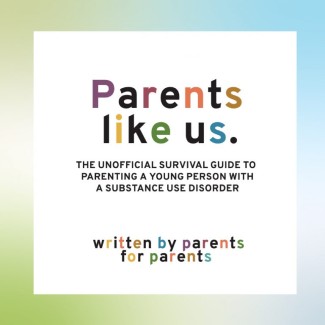
Guida per i genitori - Il progetto Improving Treatment Together (ITT)
Questo manuale è una raccolta di esperienze e storie condivise per aiutare altri genitori e caregiver a trovare rifugio, sostegno e coraggio per chiedere aiuto.
Se il tuo giovane sta sperimentando sostanze o ha sviluppato un disturbo da...
La guida del professionista dell'uso di sostanze per affrontare la cannabis medica nelle impostazioni di trattamento dell'uso di sostanze
ISSUP è lieta di presentare un webinar su come affrontare la cannabis medica nelle impostazioni di trattamento dell'uso di sostanze.
Correzione: Collaborazione interdisciplinare nel trattamento dei disturbi da uso di alcol in un reparto ospedaliero generale: uno studio a metodo misto
Sfondo
Si afferma che le collaborazioni interdisciplinari (cioè in cui varie discipline lavorano in modo coordinato e interdipendente verso obiettivi condivisi) producono una maggiore efficacia di squadra rispetto agli approcci...
Comprendere il consumo di stupefacenti per via parenterale in Afghanistan: una revisione dell'ambito
Sfondo
Diversi rapporti hanno descritto una crescente prevalenza del consumo di droghe illecite in Afghanistan, con il riconoscimento di un recente passaggio dalle modalità tradizionali di consumo che comportano l'inalazione e l'ingestione...
Correlati dell'impegno al trattamento e degli esiti dei clienti: risultati di uno studio randomizzato controllato di nabiximols per il trattamento del disturbo da uso di cannabis
Introduzione e obiettivi
C'è un crescente interesse e prove per l'uso di farmaci cannabinoidi nel trattamento del disturbo da uso di cannabis, ma poco esame dei correlati del trattamento di successo. Questo documento è un'analisi...
Interruzioni del ruolo della sanità pubblica locale degli Stati Uniti nella prevenzione e nella risposta all'uso di sostanze basate sulla popolazione durante COVID-19
Sfondo
L'emergenza COVID-19 ha messo alla prova le infrastrutture sanitarie, mediche e di pubblica sicurezza degli Stati Uniti (USA) in modi senza precedenti. Come punto focale per la salute pubblica nelle loro comunità, i dipartimenti...
Mortalità e anni di vita persi a seguito di successive comorbilità fisiche in persone con disturbi da uso di sostanze preesistenti: uno studio di coorte retrospettivo basato sul registro nazionale di individui ospedalizzati in Repubblica Ceca
Sommario
Sfondo
I disturbi da uso di sostanze costituiscono un grave problema di salute pubblica globale, attribuibile in gran parte alla loro successiva comorbilità con altre condizioni di salute. Questo studio mirava a studiare il...
Modelli di utilizzo dell'assistenza sanitaria 5 anni dopo un intervento che collega i pazienti in trattamento delle dipendenze con un medico di base
Astratto
I disturbi da uso di sostanze sono associati ad alti tassi di utilizzo del pronto soccorso (DE) e alle sfide che coinvolgono i servizi di assistenza primaria.
Obiettivo Esaminare l'impegno sanitario a 5 anni e i risultati di...
Prevenzione del consumo problematico di alcol nei contesti di svago della popolazione giovanile
In occasione della Giornata Mondiale Senza Alcol, ISSUP Chile ti invita a partecipare a un webinar per condividere visioni, strategie o opportunità per promuovere il consumo di alcol a basso rischio negli spazi ricreativi notturni nella nostra popolazione più giovane.
INL DDR Partners Call - Garanzia di qualità
Questo mese, il 9 novembre 2022, l'incontro dei partner DDR dell'International Narcotics and Law Enforcement Affairs (INL) ha offerto una discussione sulla garanzia della qualità e ha incluso due presentazioni:
- Miglioramento della...
"La situazione della salute mentale, la violenza contro le donne nel contesto della pandemia post-COVID19" progressi, sfide e sfide
ISSUP Perù vuole invitarti al suo prossimo webinar.
Prevenzione dei materiali educativi sull'uso di oppioidi
Il Mid-America Addiction Technology Transfer Center (MATTC) ha collaborato con l'Ethnic Communities Opioid Response Network nel Missouri, l'Addiction Policy Forum e l'Opioid Response Network (ORN in IA, KS, MO e NE) per tradurre 5 diversi...
Evento della Giornata mondiale contro l'AIDS 2022: sfide e prospettive dalla pratica del trattamento SUD
In riconoscimento della Giornata Mondiale contro l'AIDS, ISSUP Italia desidera invitarvi a partecipare al loro prossimo webinar.
Prima presentazione: Le sfide post COVID-19 AIDS
Verranno descritte le caratteristiche dell'infezione da...
ADDICTUS 2022, 4° Forum Nazionale sulle Dipendenze Patologiche
ADDICTUS 2022
IV° FORUM NAZIONALE SULLE DIPENDENZE PATOLOGICHE
Centro Congressi di Riva del Garda (TN) 2 - 4 dicembre 2022
Responsabili scientifici: Fabio Lugoboni, Anna Franceschini, Stefano Canali
VENERDI’ 2.12.22
Disturbi del...
Prevenzione dell'uso di sostanze: una revisione di ciò che significa e richiede attraverso il linguaggio del calcio / calcio
ISSUP presenta la seconda parte di un webinar in due parti sul tema della prevenzione dell'uso di sostanze.
Webinar bimestrale: ISSUP Nigeria Knowledge Update Series (quindicesima sessione)
ISSUP Nigeria vorrebbe invitarvi al loro prossimo webinar bimestrale nella serie di aggiornamenti della conoscenza. Questo webinar sarà incentrato su "Disturbi da uso di sostanze (SUD) nella schizofrenia: approccio attuale alla gestione".
Uso di sostanze e senzatetto
Questa ricerca ha esplorato i cambiamenti nell'uso di tabacco, alcol e droghe illecite da parte delle persone senza fissa dimora nel Regno Unito. In particolare, i ricercatori hanno esaminato le seguenti domande:
- Quali sono le...
L'UNODC ha lanciato un programma di formazione dei formatori (ToT) sui corsi avanzati 9-15 del curriculum di trattamento universale (UTC) in Pakistan
|
|
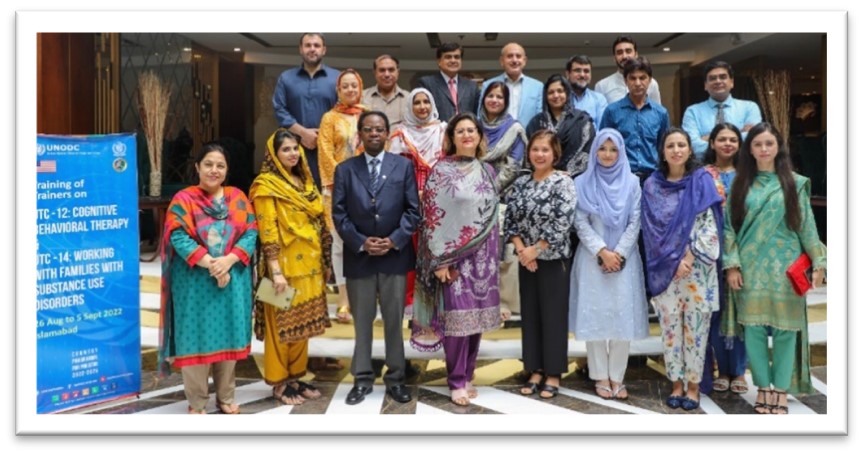 Garantire l'apprendimento continuo e offrire opportunità ai professionisti del trattamento della dipendenza da uso di sostanze per apprendere tecniche e strategie di trattamento avanzate e basate sull'evidenza è una delle...
L'UNODC allena la squadra di formatori nazionali dell'Asia centrale il 16 e l'UTC 19
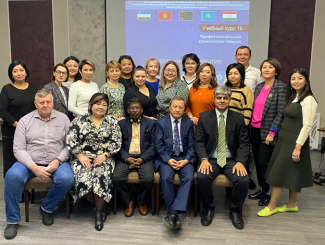
L'Ufficio regionale dell'UNODC per l'Asia centrale ha supportato una formazione di formatori (ToT) sul "Corso 16 – Advanced Clinical Skills" e sul "Corso 19 – "Migliorare le capacità di facilitazione del gruppo" che si è svolta di persona...
Due Paesi e un problema: la prevenzione in pediatria
ISSUP Brasil ha presentato un webinar con i pediatri che discutono dei modi di prevenzione e di come funzionano i problemi causati dall'uso di sostanze.
Due pediatri discutono i mezzi di prevenzione e come funzionano i problemi causati...