Cerca
 Populations
Distinct groups of people within a society who share certain characteristics such as age, gender, geographic location, socioeconomic status, cultural background, or exposure to particular risk factors that may influence patterns of substance use, vulnerability to substance use disorders, and access to services. In the context of substance use systems, identifying and understanding different populations helps guide the design of prevention, treatment, recovery, and policy responses that are appropriate, equitable, and responsive to specific needs. Examples may include youth, women, people experiencing homelessness, individuals in the criminal justice system, or communities affected by specific social or economic conditions.


Comorbilità psichiatriche in donne in gravidanza con disturbi da uso di oppioidi: prevalenza, impatto e implicazioni per il trattamento
Astratto
Scopo della revisione
Questa revisione cerca di indagare su tre domande: qual è la prevalenza delle diagnosi psichiatriche di comorbidità tra le donne in gravidanza con disturbo da uso di oppioidi (OUD)? In che modo le malattie...
Binge Drink totali annuali consumati da adulti statunitensi, 2015
Introduzione
Il binge drinking (quattro o più drink per le donne, cinque o più drink per gli uomini in un'occasione) rappresenta più della metà degli 88.000 decessi negli Stati Uniti derivanti da un consumo eccessivo di alcol ogni anno. I...
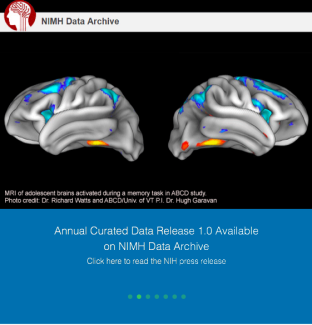
New Dataset Made Available from Study of Adolescent Brain Development
In February of 2018 the US National Institute of Health (NIH) released the first dataset from an "unprecedented study of adolescent brain development", the Adolescent Brain Cognitive Development (ABCD) study.
The study has, to date...
Caratteristiche e circostanze precipitanti che circondano il suicidio tra le persone di età compresa tra 10 e 17 anni
Sommario
Cosa si sa già di questo argomento?
Il suicidio è un grave problema di salute pubblica. È la terza causa di morte tra le persone statunitensi di età compresa tra 10 e 17 anni. Nello Utah, il tasso di suicidio tra le persone di...
Un toolkit basato sul Web per fornire risorse basate sull'evidenza sulla metanfetamina di cristallo per la comunità australiana
ASTRATTO
Contesto: L'uso di metanfetamina di cristallo (ghiaccio) e i danni associati per individui, famiglie e comunità in tutta l'Australia sono stati oggetto di crescente preoccupazione negli ultimi anni. La fornitura di informazioni e...
Fattori che fanno sì che gli adolescenti thailandesi bevano alcolici
Astratto
Gli adolescenti thailandesi hanno attualmente più abitudini di consumo di alcol. Soprattutto nella fascia di età più giovane, che il governo ha vietato la vendita di alcol ai minori di 18 anni. Tuttavia, la legislazione non era...
Differences between Psychotic Disorders with Concurrent Cannabis Use and Cannabis-Induced Psychoses
Abstract
Background: The fact that Cannabis use can lead to psychotic symptoms has been recognized years ago. Moreover, when the patient is using cannabis, the distinction between a primary psychotic disorder and a cannabis-induced...
The Restriction of Hours, Sales and Liquors: Lima 2010-17: Traffic Accidents (TA) and other Violent Deaths
Abstract
Objective: Determine the relationship between the hours of sale of spirits "Safe Time" and those killed by traffic accidents (TA).
Material and Methods: Descriptive research based on the monthly report made by the Metropolitan...
Heroin Uncertainties: Exploring Users’ Perceptions of Fentanyl-Adulterated and -Substituted ‘Heroin’
Abstract
Background
The US is experiencing an unprecedented opioid overdose epidemic fostered in recent years by regional contamination of the heroin supply with the fentanyl family of synthetic opioids. Since 2011 opioid-related overdose...
Tobacco Use Decreases Visual Sensitivity in Schizophrenia
Smoking prevalence in patients who are diagnosed with schizophrenia (SCZ) is higher than in the general population. Chronic tobacco use in SCZ patients may reduce the side effects of antipsychotic drugs, thus serving as a self-medication...
How Do People with Mood and Anxiety Disorders Perceive and Interpret the Drinking Motives Questionnaire?
Abstract
Background
Research has identified drinking motives as the final common pathway to alcohol use, and associations between specific drinking motives and drinking patterns have consistently been demonstrated. Data on drinking...
Stressful Experiences Affect Likelihood of Remission of Drug Dependence, Continued Drug Use, and Relapse
Researchers at the University of Michigan’s Centre for the Study of Drugs, Alcohol, Smoking and Health have been exploring the link between drug dependence, ongoing drug use, relapse and exposure to stress or experience of stressful events...
Treatment for Opioid Use and Outcomes in Older Adults: A Systematic Literature Review
A new study published in the Drug and Alcohol Dependence journal focuses on an often-neglected topic – opioid use in older adults. This systematic literature review, Treatment for Opioid Use and Outcomes in Older Adults, included 76 papers...
NIDA Scientists Review Impact of Smoking among Adolescents with ADHD
Two studies funded by NIDA have highlighted a correlation between ADHD symptoms and initial smoking age.
New from SAMHSA: Medications for Opioid Use Disorders
SAMHSA has released a new publication as part of the Treatment Improvement Protocol series.
National Trends in Alcohol Consumption in Mexico
Abstract:
Introduction: Worldwide, binge drinking of alcohol has increased, especially among young people. In Mexico, various epidemiological sources allow us to account for the growth this pattern of consumption has had. Given this...
Cigarette Flavors, Package Shape, and Cigarette Brand Perceptions
Abstract
Objective: In 2012, a new Brazilian regulation prohibited the use of flavor additives in tobacco products. To better understand the potential impact of this regulation, this study examines how flavor descriptors on cigarette...
Rural and Appalachian Disparities in Neonatal Abstinence Syndrome Incidence and Access to Opioid Abuse Treatment
Abstract
Objective
Incidence of neonatal abstinence syndrome (NAS) is increasing due to the rise in opioid use. Rural states like Kentucky have been disproportionally impacted by opioid abuse, and this study determines NAS burden...
Guía de intervención mhGAP para los trastornos mentales, neurológicos y por consumo de sustancias en el nivel de atención de salud no especializada. Versión 2.0
Los trastornos mentales, neurológicos y por consumo de sustancias (MNS) son muy frecuentes y representan una gran carga de enfermedad y discapacidad a nivel mundial. Subsiste una amplia brecha entre la capacidad de los sistemas de salud y...
mhGAP Intervention Guide - Version 2.0 for Mental, Neurological and Substance Use Disorders in Non-Specialized Health Settings
Overview
This is the second version (2016) of the mhGAP Intervention Guide (mhGAP-IG) for mental, neurological and substance use (MNS) disorders in non-specialist health settings. It is for use by doctors, nurses, other health workers as...