


Cerca
Treatment Settings
Various treatment formats, either in a live-in facility or through regular visits to a clinic, are designed for ongoing support, to help maintain recovery, and to prevent relapse.

Assessment of Medical Cannabis and Health-Related Quality of Life
Abstract
Importance The use of cannabis as a medicine is becoming increasingly prevalent. Given the diverse range of conditions being treated with medical cannabis, as well as the vast array of products and dose forms available, clinical...
SMART recovery for youth: un piccolo studio qualitativo esplorativo che esamina il potenziale di un programma di cambiamento comportamentale di mutuo soccorso e sostegno tra pari per i giovani
Astratto
Sfondo
SMART (Self-Management and Recovery Training) Recovery è un programma di mutuo soccorso informato dalla terapia cognitivo-comportamentale e dal colloquio motivazionale che fornisce supporto per una serie di comportamenti...
Strategies to Address Cocaine and Methamphetamine
Presented by Richard Rawson, PhD, Emeritus Professor in the Department of Psychiatry and Biobehavioral Science, UCLA School of Medicine and a Research Professor at the University of Vermont, this presentation provided an overview of the...
Character Strengths and Recovery from Addiction
ISSUP Kenya present their Webinar on Insights from Positive Psychology and Psychology of Religion as applied to treatment and recovery from addiction.
UNODC supported delegations from four Central Asian countries in a high-level study tour to the United Kingdom
The UNODC Regional Office for Central Asia (ROCA) together with the UNODC Prevention, Treatment and Rehabilitation Section (PTRS) organized a study tour for high-level representatives, including senior officials, policymakers and substance...

National Drug Council equipping professionals with capacity to effectively treat substance use disorders in adolescents
Thirty adolescent treatment professionals in St. Kitts and Nevis are this week engaged in a training programme geared towards equipping them with the tools to identify, assess and treat adolescents with substance use disorders.

Buprenorphine versus methadone for the treatment of opioid dependence
Summary
Background
Opioid dependence is associated with substantial health and social burdens, and opioid agonist treatment (OAT) is highly effective in improving multiple outcomes for people who receive this treatment. Methadone and...
Economic Evaluations of Pharmacologic Treatment for Opioid Use Disorder: A Systematic Literature Review
Abstract
Objective
The crisis of opioid use puts a strain on resources in the United States and worldwide. There are 3 US Food and Drug Administration–approved medications for treatment of opioid use disorder: methadone, buprenorphine...
Focal mu-opioid receptor activation promotes neuroinflammation and microglial activation in the mesocorticolimbic system: Alterations induced by inflammatory pain
Abstract
Microglia participates in the modulation of pain signaling. The activation of microglia is suggested to play an important role in affective disorders that are related to a dysfunction of the mesocorticolimbic system (MCLS) and are...
Implementation and workflow strategies for integrating digital therapeutics for alcohol use disorders into primary care: a qualitative study
Abstract
Background
Alcohol use disorders (AUD) are prevalent and often go untreated. Patients are commonly screened for AUD in primary care, but existing treatment programs are failing to meet demand. Digital therapeutics include novel...
Buprenorphine versus methadone for the treatment of opioid dependence: a systematic review and meta-analysis of randomised and observational studies
Opioid dependence is associated with substantial health and social burdens, and opioid agonist treatment (OAT) is highly effective in improving multiple outcomes for people who receive this treatment. Methadone and buprenorphine are common...
Comparison of Treatments for Cocaine Use Disorder Among Adults
Key Points
Question What treatments for cocaine use disorder are associated with objective reductions in cocaine use among adults?
Findings In this meta-analysis of 157 clinical trials comprising 402 treatment groups and 15 842...
Cocaine Reading List
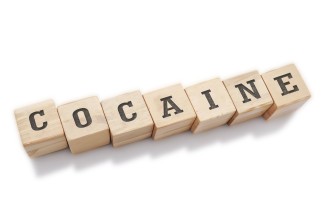
Cocaine is an addictive stimulant drug that originates from the leaves of the coca plant, which is indigenous to South America. The drug's effects include heightened alertness, attention, and energy, as well as feelings of euphoria and...
Risposta all'uso di stimolanti: sviluppi nel trattamento
Obiettivo: Comprendere meglio gli attuali sviluppi nel trattamento dell'uso di stimolanti.
Le droghe stimolanti sono seconde solo alla cannabis come classe di droghe illecite più utilizzate a livello globale, rappresentando 68 milioni...
Esplorare le barriere terapeutiche sull'uso di metanfetamina in cristalli tra i giovani in Zimbabwe
L'abuso di sostanze tra i giovani è una delle maggiori preoccupazioni pubbliche nella salute globale. Questo studio si proponeva di esplorare le barriere terapeutiche tra i giovani in Zimbabwe.
I dati sono stati raccolti attraverso...

Report: Colloquium on “Responding to the nexus between adverse childhood experiences and drug use”
A colloquium on “Responding to the Nexus between Adverse Childhood Experiences and Drug Use” was held on April 15, 2023 in New Delhi, attended by 40+ participants. The colloquium was hosted and organised by the Society for Promotion of Youth and Masses (SPYM) with the support of International Society of Substance Use Professionals (ISSUP) and Paul Hamlyn Foundation (PHF).

Ingestione di sostanze illecite da parte di bambini nella prima infanzia prima e durante la pandemia di COVID-19
Astratto
Importanza Le informazioni sull'andamento dell'ingestione di sostanze illecite tra i bambini piccoli durante la pandemia sono limitate.
Obiettivi Valutare i cambiamenti immediati e duraturi nei tassi complessivi di ingestione...
PTACC Annual Deflection Summit Call for International Presenters
Proposals are now being accepted for the 2023 Police, Treatment, and Community Collaborative’s (PTACC) National Deflection and Pre-arrest Diversion Summit.
All submissions must be uploaded by May 5, 2023 at 2:00 EDT in order to be...

Interventi genitoriali nel contesto della prevenzione: nuove linee guida e un invito all'azione
ISSUP Libano presenta il suo Webinar sugli interventi di Parenting nel contesto della prevenzione.
Esposizione precoce alla Cannabis e sue conseguenze a lungo termine nel cervello
ISSUP Italia vi invita a partecipare al loro prossimo webinar su Come l'esposizione precoce alla cannabis modella il cervello ed esercita effetti a lungo termine.