Ara
 Populations
Distinct groups of people within a society who share certain characteristics such as age, gender, geographic location, socioeconomic status, cultural background, or exposure to particular risk factors that may influence patterns of substance use, vulnerability to substance use disorders, and access to services. In the context of substance use systems, identifying and understanding different populations helps guide the design of prevention, treatment, recovery, and policy responses that are appropriate, equitable, and responsive to specific needs. Examples may include youth, women, people experiencing homelessness, individuals in the criminal justice system, or communities affected by specific social or economic conditions.


The Association Between Substance Use Prevalence and Youth Mortality: A Comparative Study of Selected EU Countries
INTRODUCTION: Psychoactive substance use constitutes a significant determinant of morbidity and mortality among adolescent and emerging adult populations across European Union member states. This study aims to examine associations between...
AddictologyIssue 4/2024
Big Five Personality Traits of Adolescents aged 11–19 Years from the Czech and Slovak Republics: Age, Sex and Nationality Specifications
The article explores basic personality characteristics in accordance with the Big Five inventory; it concerns the age category of adolescence, i.e. the ages 11–19. Particular attention is paid to the variables of age, sex, and nationality...
AddictologyIssue 4/2024
Trends in Substance Use Among Young People in the EU: A Secondary Analysis of Available Data
INTRODUCTION: Substance use among adolescents in the European Union constitutes a significant public health challenge. Particularly concerning are the early onset of use, patterns of polydrug consumption, and the emergence of novel...
AddictologyIssue 4/2024
The Impact of Drug Addiction on Afghan Refugees in Pakistan: A Comprehensive Analysis
Drug addiction and its associated consequences, such as long-term dependence, bloodborne illnesses, HIV, sexually transmitted diseases, social isolation, and criminal activity, are gradually being recognised as serious issues that need to...
AddictologyIssue 4/2024
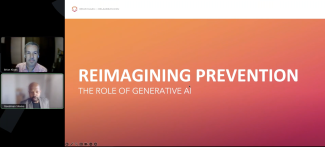
Webinar Reflection: Reimagining Prevention, The Role of Generative Artificial Intelligence
ISSUP, in partnership with the International Consortium of Universities for Drug Demand Reduction (ICUDDR), recently hosted an engaging and forward-looking webinar titled “Reimagining Prevention: The Role of Generative Artificial...
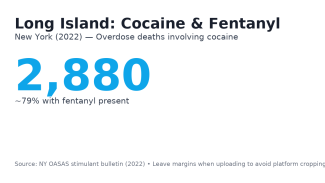
Cocaine & Fentanyl on Long Island
Cocaine-related harms on Long Island (Nassau & Suffolk) are increasingly polysubstance, with fentanyl present in most fatal cocaine overdoses in New York. Nationally, cocaine-involved mortality has nearly doubled since 2018. This fact sheet compiles verified NY/CDC sources and practical steps for families and providers: carry and train on naloxone, arrange benefits/transport to speed placement, screen for co-occurring mental health, and use evidence-based care (Contingency Management + CBT).
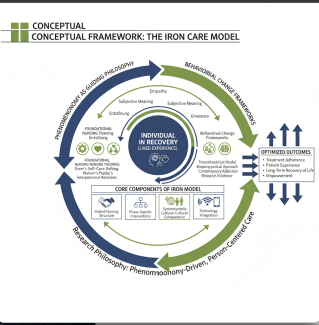
The Integrated Recovery-Oriented Nursing (IRON) Care Model: A Theoretical Framework for Optimizing Addiction Treatment Outcomes
I was honoured to participate in the EHS International Mental Health Conference 2025 as a poster presenter. My presentation reflected the core principles of the Integrated Recovery-Oriented Nursing (IRON) Care Model, emphasizing the...
Alarming number of people now vape, says WHO
More than 100 million people — including at least 15 million children — are now using e-cigarettes, according to the World Health Organisation (WHO).
Children are nine times more likely than adults to vape, raising serious concerns about...
Evaluación de Programas de prevención en Colombia: evidencia, resultados y lecciones para la prevención del consumo de sustancias en jóvenes.
ISSUP Colombia presenta su seminario web sobre Evaluación de Programas de prevención en Colombia: evidencia, resultados y lecciones para la prevención del consumo de sustancias en jóvenes.
Guía para la respuesta policial en crisis de salud mental relacionadas con el consumo de drogas
ISSUP Argentina presenta su seminario web sobre Guía para la respuesta policial en crisis de salud mental relacionada con el consumo de drogas.
Building a Global Home: The Birth and Growth of ISSUP Pt.2
Building the Future Together: Joanna Travis-Roberts on 10 Years of ISSUP
A special three-part series celebrating 10 years of of the International Society of Substance Use Professionals (ISSUP).
In this second episode, host Associate...
Call for Nominations: Youth Representatives for ISSUP National Chapters Advisory Committee
ISSUP is pleased to announce the call for nominations for four (4) Youth Representatives to serve on the National Chapters Advisory Committee (NCAC). These positions will represent Africa, Asia, Europe, and the Americas, ensuring that young...
STANDING IN THE GAP: MY TESTIMONY ON SUICIDE PREVENTION.
STANDING IN THE GAP: MY TESTIMONY ON SUICIDE PREVENTION.
Over the years of walking with teenagers and young people, I have come face to face with the silent battles they fight every day. Behind bright smiles and youthful energy, many are...

Effectiveness of Extended Screening and Brief Intervention (X-SBI) on Substance Misuse and Related Outcomes in Correctional Settings
Abstract
Background:
Screening and brief intervention (SBI), effective in community health care, show inconsistent results in correctional settings (CS). We hypothesized that SBI needs adaptation for the incarcerated population. The study...
Considerations for Introducing SBIRT into a Jail Setting.
INTRODUCTION
Nearly all chronic substance users enter the criminal justice system at some time in their use career. Drug use is closely associated with crime, and its prevalence among offenders is high (MacCoun et al., 2003; Newcomb et al...
Certificate Course on Drug Abuse Prevention -20
Certificate Course in DrugAbuse Prevention Empowering Schools, Families, Communities & Workplaces for a Drug-Free Future This certificate course is designed to equip educators, youth leaders, public servants, and community stakeholders with...
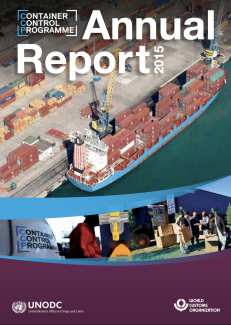
UNODC-WCO (2015), Container Control Programme — Annual Report
In 2015, the UNODC-WCO Container Control Programme (CCP) expanded its reach with new Port Control Units (PCUs) across Asia and Europe, including in Bangladesh, Bosnia and Herzegovina, Georgia, Jordan, Nepal, Thailand and Viet Nam, as well...
Council of the European Union (2012b), Consolidated versions of the Treaty on European Union and the Treaty on the Functioning of the European Union and the Charter of Fundamental Rights of the European Union
The Publications Office of the European Union provides open access to a broad collection of official EU works. Covering everything from policy updates and statistical analyses to educational tools and research findings, the platform gathers...
Safeguarding the Demographic Bonus: BNN's Prevention Strategy for Children, Youth, and Communities
This presentation was featured at Indonesia 2025, on the 18.09.2025.
Author: Tri Julianto Djatiutomo
Abstract:
Indonesia is currently in a demographic bonus period, where the majority of the population is of productive age. This window...
Getting to Know Joanna Travis-Roberts Pt.1
Building the Future Together: Joanna Travis-Roberts on 10 Years of ISSUP
A special three-part series celebrating 10 years of the International Society of Substance Use Professionals (ISSUP).
In this first episode, host Associate...