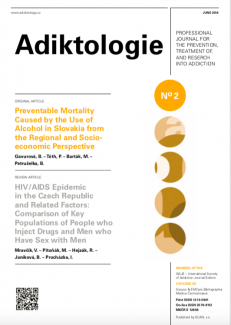
It reflects “a growing body of research […] showing that providing a stable home environment, adequate nutrition, physical and cognitive stimulation, warm supportive parenting, and good classroom management in the early years of a child’s life (prenatal through age 8) can lead the child to develop strong self-regulation”.
The publication touches on topics such as prevention science, policy, interventions targeting different stages of childhood development including prevention during pregnancy and within families, school based programmes, and prevention in...
Venniro, M., Zhang, M., Caprioli, D., Hoots, J. K., Golden, S. A., Heins, C., ... & Shaham, Y. (2018). Volitional social interaction prevents drug addiction in rat models. Nature neuroscience, 1.
Οι αρνητικές κοινωνικές αλληλεπιδράσεις και η απομόνωση έχουν συνδεθεί με αυξημένο κίνδυνο αυτοχορήγησης και υποτροπής των ναρκωτικών, ενώ οι θετικές κοινωνικές αλληλεπιδράσεις μπορούν να λειτουργήσουν ως προστατευτικός παράγοντας κατά της κατάχρησης ουσιών.
Researchers show, that when given a choice, rats repeatedly choose social interaction over self-administration of heroin or methamphetamine.
Πρόσφατη έρευνα, που δημοσιεύθηκε στο Nature Neuroscience, ανέλυσε την επιλογή που έγινε μεταξύ φαρμάκων και κοινωνικής αλληλεπίδρασης, χρησιμοποιώντας αρουραίους. Στους αρουραίους της μελέτης προσφέρθηκε μια σειρά επιλογών μεταξύ ναρκωτικών (μεθαμφεταμίνη ή ηρωίνη) και αλληλεπίδρασης με έναν οικείο ή άγνωστο αρουραίο.
The Canadian Centre on Substance Use and Addiction (CCSA) has released a new resource for parents, teachers and other youth allies to help them prepare to have open, non-judgemental discussions with youths about cannabis. The Talking Pot with Youth Tool guides constructive, informative conversations and can help address questions young people may have about cannabis use.
The development of the tool was guided by input from young people who asked for honest, unbiased and reliable information. It is hoped that the material will support young people in making informed decisions about their...
A recent video produced by Substance Abuse and Mental Health Service Administration highlights the harmful consequences of underage and excessive alcohol consumption, and provides evidence-based strategies that can be used in a university setting. The video follows the efforts of Frostburg State University Alcohol Task Force - a group established to reduce underage, harmful campus drinking. The video describes Frostburg State University’s three-tiered strategy for addressing drinking issues within the university; in hope that action will promote student wellbeing and reduce the negative...
The focus of the event was Prevention Technologies – Improving the Use of Evidence in Prevention Practice.
Academics, researchers, policy and decision makers, practitioners and prevention coordinators from around the world attended the event, which sought to open up a discussion about ways in which to introduce research findings into prevention policy and practice.
Presentations from keynote speakers can be found here!