

Cerca
 Psychoactive Substances
Psychoactive substances are natural or synthetic substances that act on the central nervous system and alter mental processes such as mood, perception, cognition, consciousness, and behaviour. These substances may be legally prescribed medications (e.g., pain medications or sedatives), legally available substances such as alcohol or caffeine, or controlled or illicit drugs. Psychoactive substances can be used for medical, social, cultural, or recreational purposes, but some carry risks of misuse, dependence, and health or social harms when used in harmful ways.
Nuove sostanze psicoattive – Designer Benzodiazepine
ISSUP Pakistan presenta il suo Webinar sulle Nuove Sostanze Psicoattive – Designer Benzodiazepines.
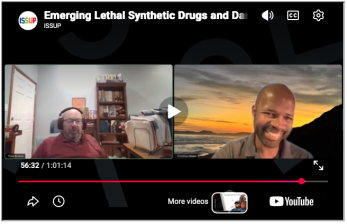
Il gamma idrossibutirrato (GHB) come nuova tempesta per i professionisti della salute mentale e delle dipendenze: approfondimenti dai paesi in via di sviluppo
ISSUP Pakistan è lieta di presentare il suo webinar sul Gamma Idrossibutirrato (GHB).
Risultati sull'uso di sostanze per adulti appartenenti a minoranze sessuali e di genere con una storia di esperienze infantili avverse: una revisione dell'ambito
Astratto
Scopo
Gli impatti delle esperienze infantili avverse (ACE) sulla salute comportamentale, mentale e fisica sono stati ampiamente studiati. Pertanto, è fondamentale sintetizzare i loro effetti quantificati, specialmente all'interno...
Profiles of quality of outpatient care use, associated sociodemographic and clinical characteristics, and adverse outcomes among patients with substance-related disorders
Abstract
Background
This study identified patient profiles in terms of their quality of outpatient care use, associated sociodemographic and clinical characteristics, and adverse outcomes based on frequent emergency department (ED) use...
Nature and Course of Clinician and Self-Rated Depressive Features in Persons with Alcohol Use Disorders: A Preliminary Prospective Study among Men Seeking Treatment
INTRODUCTION: The trajectory and nature of depression in patients with alcohol use disorder as they enter treatment needs to be understood better. This study assessed the nature and course of depressive features among male patients with...
AddictologyIssue 3/2022
Fattori psicologici e uso di sostanze psicoattive in relazione all'orientamento sessuale: uno studio sui giovani adulti israeliani.
Nel contesto delle minoranze sessuali e del disagio che possono sperimentare, negli ultimi anni si è assistito a una tendenza che enfatizza l'idea che i fattori protettivi possono frenare i comportamenti a rischio, sottolineando che non...
La necessità di creare il primo sito di consumo sicuro in Israele
Il documento presenta il caso della creazione di siti di consumo sicuro (SCS) in Israele. Un SCS, noto anche come stanza per il consumo di droghe (DCR), fornisce un ambiente sicuro e supervisionato dal punto di vista medico per le persone...
Borsa di ricerca post-dottorato NIDA INVEST
Borsa di ricerca post-dottorato NIDA INVEST
per studiosi internazionali: ora accetta le domande
Scadenza speciale: 1 aprile 2023
Il programma internazionale NIDA accetta domande di ricercatori post-dottorato internazionali per la borsa...
ISAM a Lisbona Addictions 2022
Qui puoi trovare una raccolta di registrazioni di presentazione ISAM che hanno avuto luogo durante Lisbon Addictions 2022
Registrazione 1: Un'introduzione all'ISAM Global Expert Network (ISAM-GEN) – Hamed Ekhtiari
ISAM neuroscience interest group webinar series
In ISAM-NIG's new monthly talk series "In Love with Addiction Neuroscience”, addiction neuroscientists from across the world share their personal stories/experiences on the beauty of addiction neuroscience and how/why they have decided to...
Gruppo di Interesse per le Neuroscienze dell'ISAM in collaborazione con il Gruppo di Lavoro sulle Dipendenze di ENIGMA
Qui puoi trovare una serie di registrazioni di webinar messe insieme dal Gruppo di Interesse per le Neuroscienze dell'ISAM in collaborazione con il Gruppo di Lavoro sulle Dipendenze di ENIGMA.
Webinar 1: Rete Internazionale sulle...
ISAM Webinar Series on COVID-19 and Substance Use Disorders: : A Global Perspective on Challenges and Solutions
As you all know, the current COVID-19 pandemic has profoundly affected various populations globally. The International Society of Addiction Medicine (ISAM) believes that the impact of this pandemic on people struggling with Substance Use...
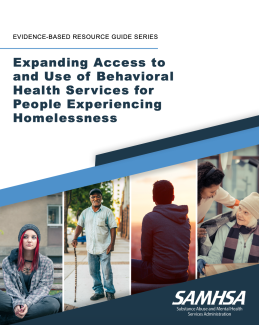
Expanding Access to and Use of Behavioural Health Services for People At Risk for or Experiencing Homelessness
This guide highlights strategies for behavioural health and housing providers to conduct outreach and engage with individuals experiencing homelessness, initiate use of behavioural health treatment as they wait to receive stable housing and...
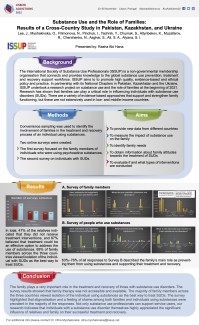
ISSUP Poster for Lisbon Addictions 2022: Study on substance use and the role of families in Kazakhstan, Pakistan and Ukraine
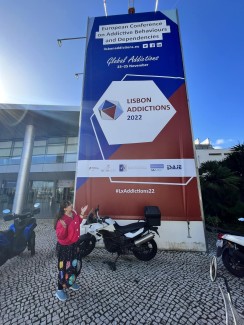
The fourth European Conference on Addictive Behaviours and Dependencies took place in Lisbon from 23-25 November 2022.
Under the overarching theme of Global Addictions, LxAddictions22 showcased cutting-edge research to help characterise...
Registration Open: NAADAC's Assessment, Diagnosis, and Treatment of Co-occurring Disorders & SUD Specialty Online Training Series
NAADAC's Assessment, Diagnosis, and Treatment of Co-occurring Disorders & SUD Specialty Online Training Series is designed for helping professionals who are dedicated to learning about co-occurring disorders in the field of addiction...
La matrice del rischio: decessi correlati alla droga nelle carceri in Inghilterra e Galles, 2015-2020
Questo articolo esplora i fattori che contribuiscono alle morti legate alla droga nelle carceri inglesi e gallesi tra il 2015 e il 2020.
Drug use and associated factors in a North Eastern region of Tanzania: a cross-sectional study
The article ‘Drug use and associated factors in a North Eastern region of Tanzania: a cross-sectional study’ published in the PanAfrican Medical Journal’ on 11/10/2022 by a number of authors coordinated by Dr Harrieth Peter and Castory...
Premio di borsa di studio inter-glam per la partecipazione dei delegati pakistani alle dipendenze di Lisbona
Durante il penultimo mese del 2022, dal 22 al 24 novembre, si è tenuta con successo una conferenza internazionale presso il Centro Congressi di Lisbona in Portogallo con la collaborazione di SICAD, OEDT e della Direzione portoghese...
HIV e uso di sostanze: Elenco di lettura
La Giornata mondiale contro l'AIDS si svolge ogni anno a dicembre. Questo elenco di letture contiene un elenco di ricerche, pubblicazioni e risorse per i professionisti relative all'HIV/AIDS. Abbiamo anche una rete dedicata all'HIV e all...

Un approccio basato sui diritti umani per integrare i servizi per l'HIV e l'abuso di sostanze
L'integrazione delle cure relative all'HIV con il trattamento del disturbo da uso di sostanze offre l'opportunità di soddisfare meglio le esigenze delle persone che vivono con queste condizioni. Le persone con disturbo da uso di sostanze...