


Ara
 Quality Assurance
Quality assurance refers to the systematic processes used to monitor, evaluate, and improve the quality of services addressing substance use disorders. These processes help ensure that prevention, treatment, and recovery services are safe, effective, ethical, and aligned with recognised professional standards and evidence-based practices. Quality assurance may include service standards, accreditation, supervision, monitoring of outcomes, client feedback, and continuous quality improvement mechanisms. By promoting accountability and consistent service delivery, quality assurance supports better health outcomes and strengthens substance use systems of care.

Green List Prevention

The "Green List Prevention" in Germany encompasses a rich array of programmes aimed at preventing various behavioural issues among children and young individuals, including violence, crime, and addictive behaviours. These...
Addiction professionals from Central Asia enhanced knowledge on working with population with special clinical needs
The UNODC Regional Office for Central Asia held a Regional Training of Trainers (ToT) on Course 20 – “Populations with Special Clinical Needs” which took place in person in Dushanbe, Tajikistan on 23-27 October 2023. This course is a part...

Cannabis and amphetamine use among school-going adolescents in sub-Saharan Africa: a multi-country analysis of prevalence and associated factors
Global evidence indicates that early onset of illicit substance use among adolescents and emerging adults is associated with negative mental-health related-outcomes that can persist into adulthood. However, the lack of quality regional data on adolescent illicit substance use and its determinants remains a common barrier to evidence-based policy-making and the development of school-based interventions in Africa. The purpose of our study was to estimate the prevalence and describe the correlates of cannabis and amphetamine use among school-going adolescents in eight sub-Saharan African countries (SSA) – Benin, Ghana, Liberia, Mauritius, Mozambique, Namibia, Seychelles, and Tanzania.
Who Helps The Helper? A Skills Transfer Program for Behavioural and Substance Use Professionals
ISSUP Kenya is pleased to present its webinar on Skills Transfer Program for Behavioural and Substance Use Professionals.
Gain insights from clinical practice, mentorship, and supervision programs that equip novice mental health professionals with practical skills.
Development of an addiction recovery patient-reported outcome measure: Response to Addiction Recovery (R2AR)
Background:
Recovery, a primary goal of addiction treatment, goes beyond abstinence. It encompasses various aspects that differ among individuals, making it challenging to measure. Traditional assessments in addiction care have focused on...
Substance Use Disorders (SUD) and Type 2 Diabetes: Integration of Evidence-Based Diabetes Care to Promote Quality Health Outcomes
ISSUP, ICUDDR, and IntNSA invite you to their recently concluded collaborative webinar for World Diabetes Day 2023
4th National Youth Convention (Impacts & Prevention of Substance Use Among Youth Anti-Drug Poster Competition & Cultural Show) Organized by ISSUP Pakistan in Collaboration with Quaid-E-Azam University, on 6th July, 2023 at Islamabad-Pakistan
4th NATIONAL YOUTH CONVENTION
(IMPACTS & PREVENTION OF SUBSTANCE USE AMONG YOUTH Anti-Drug Poster Competition & Cultural Show)
Organized by ISSUP PAKISTAN in Collaboration with QUAID-E-AZAM UNIVERSITY, on 6th July 2023 at ISLAMABAD...

Systematic Review of Quality Standards in Competency-Based Postgraduate and Continual Addictology Education of Physicians: Study Protocol
BACKGROUND: The role of physicians is crucial in the prevention and treatment of substance use disorders and addiction. The quality of addiction-specific medical education varies, as do postgraduate and continuing medical education...
AddictologyIssue 2/2023
Development of an addiction recovery patient-reported outcome measure: Response to Addiction Recovery (R2AR)
Background:
Recovery, a primary goal of addiction treatment, goes beyond abstinence. Incorporating broad domains with key elements that vary across individuals, recovery is a difficult concept to measure. Most addiction-related quality...
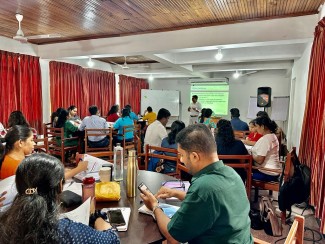
Training on UTC 03 - Sri Lanka
Psychoactive substance use and substance use disorders (SUDs) remains remain to be a major problem around the world. Which is negatively effect on global health and social and economic functioning. Though people who suffer from SUDs must...
The absence of data on driving under the influence of alcohol in road traffic studies: a scoping review of non-randomized studies with vote counting based on the direction of effects of alcohol policies
Background
Data concerning driving under the influence of alcohol (DUIA) are frequently characterised by their lack of availability, accuracy, or reliability. This inherent limitation poses challenges in the examination of the influence of...
Creating a healthier life: A step by step guide to wellness
The Substance Abuse and Mental Health Services Administration’s (SAMHSA) Wellness Initiative envisions
a future in which people with mental or substance use problems pursue health, happiness, recovery, and a full and satisfying life in the...
Use of Medication for Opioid Use Disorder Among Adults With Past-Year Opioid Use Disorder in the US, 2021
Discussion
Despite guidelines recommending MOUD, approximately 1 in 5 adults with past-year OUD received any MOUD. Furthermore, some groups were substantially less likely to receive MOUD, in particular Black adults, women, those unemployed...
Clinical Supervision in Botswana
ISSUP Botswana would like to invite you to their Webinar on Clinical Supervision in Botswana.
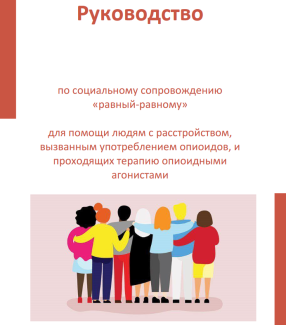
Guideline for peer-to-peer workers with opioid use disorder who receive opioid agonist therapy.
I am pleased to present to you the result of the work of our large team: the third version of the guide for peer consultants who work with people who received opioid agonist therapy.
In the guide, we tried to describe our four-year...
Introduction to Forensic Substance Use Evaluation
ISSUP and the National Board of Forensic Evaluators (NBFE) are pleased to present their collaborative Webinar on conducting a Quality Forensic Substance Use Evaluations.
UNODC conducted Regional Training of Trainers on UTC 20 in Central Asia
The UNODC Regional Office for Central Asia in collaboration with Prevention, Treatment and Rehabilitation Section, UNODC HQ held a Regional Training of Trainers (ToT) on Course 20 – “Populations with Special Clinical Needs” which took place...
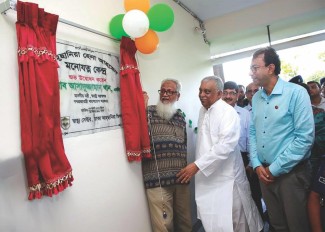
Home minister inaugurates specialized substance use and mental disorders hospital
Home Minister Asaduzzaman Khan, MP (on Saturday 8 July) inaugurated the Ahsania Hena Ahmed Monojotno Kendra aiming to provide international standard specialized treatment services for mental disorders and substance use disorders patients at...
Center for Global Health - Sri Lanka Participates at UNODC Constructive Dialogue - Vienna
The American College of Science and Humanities and its Centre for Global Health Research and Policy in Sri Lanka participated at the UNODC Constructive Dialogue on Technical Assistance at Vienne, Austria, in person, on 30 May 2023 - 31 May...

Practical Guide for Implementing a Trauma-Informed Approach
The guide specifically focuses on tools and strategies for implementing a trauma-informed approach. This guide highlights the need for organizational assessment of readiness and capacity before implementing trauma-informed approach and...
