Ara
 Populations
Distinct groups of people within a society who share certain characteristics such as age, gender, geographic location, socioeconomic status, cultural background, or exposure to particular risk factors that may influence patterns of substance use, vulnerability to substance use disorders, and access to services. In the context of substance use systems, identifying and understanding different populations helps guide the design of prevention, treatment, recovery, and policy responses that are appropriate, equitable, and responsive to specific needs. Examples may include youth, women, people experiencing homelessness, individuals in the criminal justice system, or communities affected by specific social or economic conditions.


Women and Alcohol: Key Issues
The Scottish Health Action on Alcohol Problems (SHAAP) and the Institute of Alcohol Studies (IAS) co-hosted a four-part seminar series on issues relating to women and alcohol.
The series addressed:
Women, Alcohol and Globalisation
Women...

Drug and Alcohol Findings Focus on Women
Drug and Alcohol Findings bridges the divide between research on the effectiveness of responses to drug and alcohol problems and the practitioners who provide those interventions.
The Drug and Alcohol Finding Focus on Women aims to explore...
Women and gender issues related to drugs
EMCDDA has developed a variety of resources on women and drug use including publications, data, news, events and reports.
You can also access the best practice portal, which provides an overview of the European picture and options to...

A US national randomized study to guide how best to reduce stigma when describing drug‐related impairment in practice and policy
Drug‐related impairment is persistently stigmatized delaying and preventing treatment engagement. To reduce stigma, various medical terms (e.g. ‘chronically relapsing brain disease’, ‘disorder’) have been promoted in diagnostic systems and among national health agencies, yet some argue that over‐medicalization of drug‐related impairment lowers prognostic optimism and reduces personal agency.
Association of Cannabis Retailer Proximity and Density With Cannabis Use Among Pregnant Women in Northern California After Legalization of Cannabis for Recreational Use
This cross-sectional study found that, after the state-level legalization of cannabis for recreational use in California, greater retail availability was associated with higher odds of cannabis use among pregnant women; these results were...
Office-Based Addiction Treatment Retention and Mortality Among People Experiencing Homelessness
Abstract
Importance People experiencing homelessness have been disproportionately affected by the opioid overdose crisis. To mitigate morbidity and mortality, several office-based addiction treatment (OBAT) programs designed for this...
Recovery Community Centers: Characteristics of New Attendees and Longitudinal Investigation of the Predictors and Effects of Participation
Abstract
Objective
Recovery community centers (RCCs) have expanded across the U.S., serving as social “recovery hubs” that increase recovery capital (e.g., employment, housing) by providing resources that clinical care does not provide...
Effect of Cigarette Constituent Messages With Engagement Text on Intention to Quit Smoking Among Adults Who Smoke Cigarettes: A Randomized Clinical Trial
Abstract
Importance: The US Food and Drug Administration (FDA) is required to communicate the risks of tobacco constituents to the public. Few studies have addressed how FDA media campaigns can effectively communicate about cigarette smoke...
Criminal Justice Therapy: Melding Care with Control. Highlight from Effectiveness Bank Alcohol Treatment Matrix Cell D5
CRIMINAL JUSTICE THERAPY: MELDING CARE WITH CONTROL
In theory the great advantage of treatment ordered by the criminal justice system is that it can ‘hold’ patients in treatment and get them to comply with the programme sufficiently to...
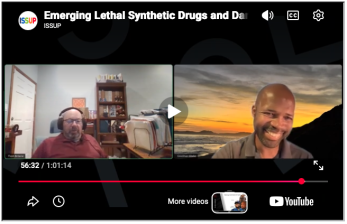
Webinar | Preventing and Treating Substance Use Disorders: A Focus on Females Across the Life Course
As part of International Women's Day 2021, ISSUP Lebanon are pleased to have presented their Webinar with Dr. Hendrée Jones on the topic of treatment and prevention of substance use disorders among females across the life span.
The Demand for Alcohol in South Africa during the National Lockdown
The Demand for Alcohol in South Africa
The sale, dispensing and distribution of liquor was prohibited in the nationwide lockdown on levels 5 and 4 (DMA, 2002; Amendment Regulations 2020:22). The alcohol ban that was imposed during these...
La Terapia Centrada en Soluciones. Una opción de tratamiento para la dependencia al alcohol
RESUMEN
En México, el consumo excesivo de alcohol representa uno de los principales retos de salud pública a escala nacional. Aunque existen diversas estrategias de intervención que pretenden incidir en este problema también hay un gran...
Why don't they just stop using drugs then?
Why don't they just stop using drugs then? Making the case for trauma and ACE informed substance use services.
Andrew has developed trauma and ACE informed approaches in North Wales and other parts of the UK and Ireland during the last...
18 de Fevereiro – Dia Nacional de Combate ao Alcoolismo
Não deixe o álcool acabar com o seu prazer de viver
18 de Fevereiro – Dia Nacional de Combate ao Alcoolismo
Dados do último Levantamento Nacional de Álcool e outras Drogas (II Lenad), realizado pela UNIFESP, de São Paulo, revelam a...

Organisations Set the Context for Crime-Reducing Treatment. Effectiveness Bank Alcohol Treatment Matrix, Cell D5
ORGANISATIONS SET THE CONTEXT FOR CRIME-REDUCING TREATMENT
Key studies teasing out organisational-level influences on treatment for drinking problems which aims to reduce crime and safeguard family and community. In the context of a market...
Through a gender lens: women and tobacco in the WHO European Region
This report provides a brief summary of some of the challenges, old and new, that women and girls face in the context of the tobacco epidemic in the WHO European Region, outlining the gendered nature of tobacco use and exposure and how the...
Pesquisadores brasileiros apresentam estudo que traz as tendências de violência por parceiro íntimo no Brasil
A violência por parceiro íntimo (VPI) é um importante problema de saúde pública. De acordo com a Organização Mundial da Saúde (OMS), a prevalência global ao longo da vida de VPI entre mulheres que já tiveram um parceiro é cerca de 30%...

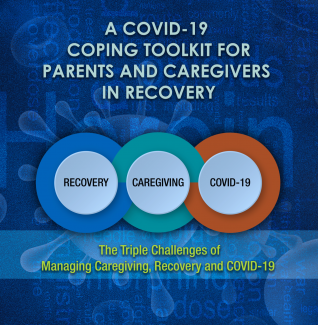
A Covid-19 Coping Toolkit for Parents and Caregivers in Recovery
This booklet is intended for a global audience of parents and caregivers who are in all stages of recovery from substance use disorders during the COVID-19 pandemic.
The main feature of this booklet includes seven tip-sheets that offer...
How can you prioritise the child when your patient is the parent? Highlight from Effectiveness Bank Alcohol Treatment Matrix cell C5
HOW CAN YOU PRIORITISE THE CHILD WHEN YOUR PATIENT IS THE PARENT?
Guidance insists child welfare is paramount, even if your client is not the child, but their parent. The temptation is to sideline this uncomfortable but important work...
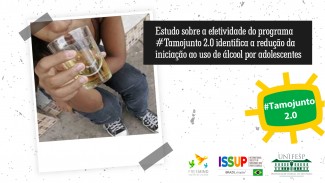
Programa #Tamojunto 2.0 ajuda a reduzir início do uso de álcool por adolescentes
Estudo da Unifesp identificou que programa escolar de prevenção do Ministério da Saúde reduz a iniciação ao uso de álcool por adolescentes.
Os adolescentes que participaram das aulas do programa tiveram 22% menos chances de iniciar o uso...