

Ara
 Populations
Distinct groups of people within a society who share certain characteristics such as age, gender, geographic location, socioeconomic status, cultural background, or exposure to particular risk factors that may influence patterns of substance use, vulnerability to substance use disorders, and access to services. In the context of substance use systems, identifying and understanding different populations helps guide the design of prevention, treatment, recovery, and policy responses that are appropriate, equitable, and responsive to specific needs. Examples may include youth, women, people experiencing homelessness, individuals in the criminal justice system, or communities affected by specific social or economic conditions.


Beyond the patient: treatment’s impacts on family and community. Effectiveness Bank Alcohol Treatment Matrix cell A5
BEYOND THE PATIENT: TREATMENT’S IMPACTS ON FAMILY AND COMMUNITY
The final row of the Alcohol Treatment Matrix defocuses from the patient to ask what treatment can do for the rest of us, starting with this cell on the impacts of the...
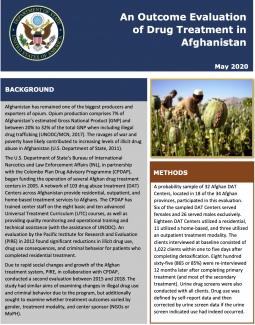
An Outcome Evaluation of Drug Treatment in Afghanistan
The results of the Afghanistan drug abuse treatment evaluation show positive change in illegal drug use and criminal behaviour.
The Lived Experiences of Recovering Filipino Persons who Use Drugs (PWUDS) without Family Support
The Philippines’s war on drugs brought about an influx or people of who use drugs (PWUDs) availing of community-based drug rehabilitation services for treatment. Programs have been created to develop skills to avoid relapse and improve...
E-cigarette Use Among Adults in China
Despite China being the main producers of the world's e-cigarette, there is little research examining the trends in e-cigarette use.
Since 2018, policies in China have restricted e-cigarette use. Therefore, it is of interest to...

Gender Matters? How Does Gender Shape Risk Environment for Syringe Sharing among People who Inject Drugs in Northern Mexico. Results from a Cross-Sectional Survey
Abstract
Introduction. HIV prevalence among people who inject drugs (PWID) is 5%. Studies have found an HIV prevalence of around 10% among women who inject drugs (WWID) and 5% among men.
Objective. To describe characteristics of risk...
Programa de Capacitação de Conselheiros Tutelares
O Freemind e a ISSUP Brasil têm o prazer de divulgar o Programa de Capacitação de Conselheiros Tutelares, idealizado e realizado pelo Instituto Fabris Ferreira e pelo dr. Luiz Antônio Miguel Ferreira, parceiros do Freemind.
O Instituto...

Treatment Experiences with Norwegian Health Care among Immigrant Men Living with Co-Occurring Substance Use- and Mental Health Disorders
Abstract
Immigrants are considered at risk of psychological distress and therefore involvement in substance abuse, due to a variety of pre- and post-migration factors. Further, there is lower treatment engagement, a higher dropout rate...
Listen First: The Science of Patience
Listen First is a UNODC initiative to support happy, healthy and happy family relationships.
This video demonstrates how patience makes children feel cared for and loved and is key in creating meaningful relationships and good...
Motivations for Treatment Engagement in a Residential Substance Use Disorder Treatment Program: A Qualitative Study
Abstract
Aims:
The aim of this study was to explore perspectives on motivations for treatment engagement from substance use disorder (SUD) clients in a long-term residential rehabilitation program.
Design and Methods:
A...
Building Strength and Resilience during the COVID 19 Pandemic A Focus on Parents with Substance Use
Hendree Jones, Professor UNC Department of Obstetrics and Gynecology and Executive Director UNC Horizons presents on work developed in summer 2020 regarding helping parents cope.
En Quito, Ecuador, se analiza el modo de abordar la prevención integral de adicciones
El pasado 2 de diciembre de 2020, la Oficina de las Naciones Unidas contra la Droga y el Delito, Ecuador, participó en el ‘Primer Encuentro de Expertos en Prevención Integral de Adicciones’ organizado por la Secretaría Metropolitana de...

New Video on Alternatives to Incarceration
Policies that allow for alternatives to incarceration are a way to link individuals with substance use disorders to supportive treatment and social services. This proven approach increases the number of people in long term recovery and...
Substance Use and Pregnancy During COVID-19
The fight against COVID-19 continues throughout the U.S., increasing stress and anguish among vulnerable populations struggling with substance use. Among those vulnerable populations, pregnant women present major concerns as they face an...

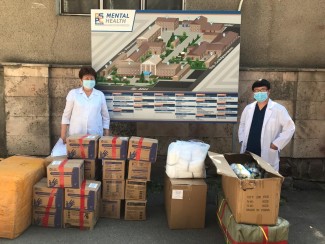
UNODC helps mental health workers of Kazakhstan to stay safe during COVID – 19 pandemic
Pandemics and health emergencies like the current COVID-10 outbreak, can cost many lives and pose additional risks to the global economy and overall security and stability. Ensuring continued access to health care during a pandemic...
ISSUP México/CICAD: CONVERSATORIO INTERNACIONAL EN CONMEMORACIÓN DEL DÍA INTERNACIONAL DE LA ELIMINACIÓN DE LA VIOLENCIA CONTRA LA MUJER
Martes 24 de Noviembre 12:00 – 14:00 horas (hora del Centro de México)
CONVERSATORIO INTERNACIONAL EN CONMEMORACIÓN DEL DÍA INTERNACIONAL DE LA ELIMINACIÓN DE LA VIOLENCIA CONTRA LA MUJER
“El Consumo de Sustancias Psicoactivas y Violencia...
Sex and Gender Effects in Recovery From Alcohol Use Disorder
The current article provides a summary of biopsychosocial gender differences in alcohol use disorder (AUD), then reviews existing literature on gender differences in treatment access, retention, outcomes, and longer-term recovery. Among...
Changes in Cigarette Consumption With Reduced Nicotine Content Cigarettes Among Smokers With Psychiatric Conditions or Socioeconomic Disadvantage 3 Randomized Clinical Trials
Abstract
Importance: This study is part of a programmatic effort evaluating the effects of reducing nicotine content of cigarettes to minimally addictive levels.
Objective: To examine whether very low-nicotine-content (VLNC) cigarettes...
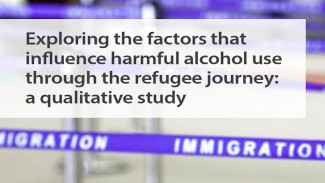
Exploring the Factors that Influence Harmful Alcohol Use Through the Refugee Journey: A Qualitative Study
This report from Scottish Health Action on Alcohol Problems (SHAAP) and the University of Edinburgh School of Health in Social Science explores the factors influencing harmful alcohol use through the refugee journey.
Drawing on interviews...
Seminario Web: Políticas preventivas en la educación superior: creando contextos preventivos
ISSUP Chile te invita a participar de un webinar presentando los resultados del último estudio sobre consumo de sustancias en estudiantes de educación superior en Chile.
El webinar tendrá lugar el jueves 1 de diciembre de 2020 a las 1:00 p...
Webinar | Family Based Interventions during COVID-19 in a Low Resource Setting
On 25th November, ISSUP Uganda presented their first Webinar on the topic of Family Based Interventions that can address unhealthy risk behaviour and substance abuse among adolescents during covid-19, in a low resource setting.