


Αναζήτηση
 Psychoactive Substances
Psychoactive substances are natural or synthetic substances that act on the central nervous system and alter mental processes such as mood, perception, cognition, consciousness, and behaviour. These substances may be legally prescribed medications (e.g., pain medications or sedatives), legally available substances such as alcohol or caffeine, or controlled or illicit drugs. Psychoactive substances can be used for medical, social, cultural, or recreational purposes, but some carry risks of misuse, dependence, and health or social harms when used in harmful ways.

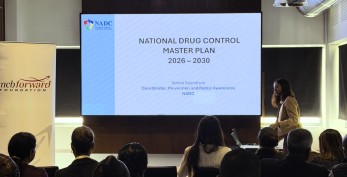
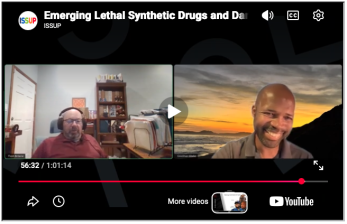
Νέες Ψυχοδραστικές Ουσίες (NPS): Συνθετικά Παραισθησιογόνα/ Συνθετικά Κατασταλτικά
Το δεύτερο διαδικτυακό σεμινάριο φιλοξενήθηκε από το ISSUP Pakistan και επικεντρώθηκε στα συνθετικά παραισθησιογόνα / συνθετικά κατασταλτικά.
Awareness Lecture and Workshop on Risky Behaviors & Substance Use in an International Family Medicine Conference, Avari Hotel, Lahore Pakistan
Two days International Family Medicine Conference has been arranged at Avari Hotel in Lahore Pakistan on May 21 and 22, 2022. The organizers were the team members of WONCA SAR. The guest speaker/trainer invited to grace these initiatives...

Is fetal brain monoamine oxidase inhibition the missing link between maternal smoking and conduct disorders?
Abstract
Smoking is the leading cause of preventable illness in the world today. Prenatal cigarette smoke exposure (PCSE) is a particularly insidious form because so many of its associated health effects befall the unborn child and produce...
Intentions and Attempts to Quit Smoking Among Sexual Minoritized Adult Smokers After Exposure to the Tips From Former Smokers Campaign
Abstract
Importance Significant disparities exist in smoking behaviors by sexual minority status in the US.
Objective To examine potential differences in the associations between exposure to the Tips From Former Smokers (Tips) campaign...
Call for Papers- Drug Addiction Research in China
Drug addiction has been a major public health problem bringing a heavy burden to patients, families and society in China historically and contemporarily. In the recent two decades, animal and clinical research on mechanisms, trajectories...
Implementing Adolescent SBIRT
Screening, Brief Intervention, and Referral to Treatment (SBIRT) is an evidence-based approach to early intervention of substance use.
This mixed-methods evaluation assessed the implementation of an adolescent SBIRT change package across...
Words Matter Language Guide
The need to change our language in relation to people who use drugs has become an increasing topic of discussion, but there is still a long way to go. People who use drugs are highly diverse and their relationship with drug use takes many...
Νέες Ψυχοδραστικές Ουσίες (NPS): Συνθετικά Διεγερτικά/Συνθετικά Κανναβινοειδή
Η ISSUP είναι στην ευχάριστη θέση να παρουσιάσει το Πρώτο Webinar σε μια σειρά για τις Νέες Ψυχοδραστικές Ουσίες (NPS).
Fetal Exposure to Cannabis and Childhood Metabolic Outcomes: The Healthy Start Study
Abstract
Objective
To assess the impact of fetal exposure to cannabis on adiposity and glucose-insulin traits in early life.
Research Design and Methods
We leveraged a subsample of 103 mother-child pairs from Healthy Start, an...
Αξιολόγηση της σκοπιμότητας, της χρηστικότητας και της αποδοχής της πλατφόρμας MySafeRx μεταξύ ατόμων σε θεραπεία με βουπρενορφίνη εξωτερικών ασθενών: Διδάγματα που αντλήθηκαν από μια πιλοτική τυχαιοποιημένη ελεγχόμενη δοκιμή
Αφηρημένος
Φόντο
Η αύξηση της πρόσβασης της βουπρενορφίνης/ναλοξόνης (B/N) στη διαταραχή χρήσης οπιοειδών (OUD) είναι ουσιαστικής σημασίας, ωστόσο η διασφάλιση της συμμόρφωσης και η πρόληψη της εκτροπής εξακολουθεί να αποτελεί πρόκληση...
Νευροανάδραση για ασθενείς που εξαρτώνται από οπιοειδή σε εξωτερικό περιβάλλον: πιλοτική μελέτη σκοπιμότητας
Φόντο
Όταν χρησιμοποιείται σε συνδυασμό με άλλες θεραπείες για διαταραχές χρήσης ναρκωτικών, η νευροανάδραση (NF) έχει ταξινομηθεί ως "πιθανώς αποτελεσματική", σύμφωνα με πρόσφατες έρευνες στην κοινότητα των ατόμων με διαταραχή χρήσης...
The role of specialist addiction nurses in alcohol treatment
A recent study has found that embedding specialist Addiction Nurses within general practice teams can help address alcohol problems in deprived areas.
In this blog, the lead author Dr Andrea Mohan examines why the role of the Addiction...
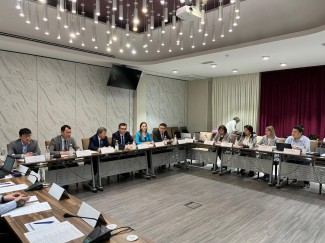
Εισαγωγή νέων μεθόδων και εργαλείων για τη διάγνωση και τη θεραπεία διαταραχών χρήσης ναρκωτικών που συζητήθηκαν στο Καζακστάν
Στις 15 Απριλίου 2022, το Περιφερειακό Γραφείο του UNODC για την Κεντρική Ασία σε συνεργασία με το Ρεπουμπλικανικό Επιστημονικό και Πρακτικό Κέντρο Ψυχικής Υγείας πραγματοποίησε μια «Εθνική Συζήτηση Στρογγυλής Τραπέζης σχετικά με την...
Συσχέτιση ψυχιατρικών διαταραχών με συχνότητα εμφάνισης λοίμωξης SARS-CoV-2 μεταξύ εμβολιασμένων ενηλίκων
Αφηρημένος
Σημασία Οι ψυχιατρικές διαταραχές μπορεί να σχετίζονται με αυξημένο κίνδυνο για λοίμωξη SARS-CoV-2 μετά τον εμβολιασμό, αλλά καμία μελέτη δεν έχει ελέγξει αυτήν την υπόθεση.
Στόχος : Να αξιολογηθεί εάν οι προηγούμενες...
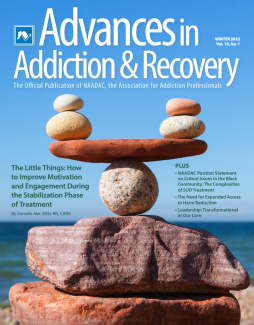
Advances in Addiction and Recovery
Advances in Addiction & Recovery, the official publication of NAADAC, is a quarterly digital magazine focused on providing useful, innovative and timely information on trends and best practices in the profession that are beneficial for...
DAM Report of Recovery Get-Together 2022
Dhaka Ahsania Mission (DAM) drug treatment centers celebrate Recovery Get-Together every year to support recoveries and help integration back into society. This year DAM arranged a “Recovery Get together” program on March 26, 2022, at Ahsania Mission Drug Treatment Center, Gazipur.

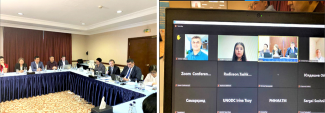
National Round Table Discussion on application of new methods and tools of drug use disorders diagnostics and treatment in Uzbekistan
On 25 March 2022 the UNODC Regional Office for Central Asia held a National Round Table Discussion on application of new methods and tools of drug use disorders’ diagnostics and treatment in Tashkent, Uzbekistan. The meeting was attended by...
The Role of Qualitative Research in Addiction Science
Presenter: Dr. Richard Pates, Consultant Clinical Psychologist, Editor in Chief, Journal of Substance Use
MUP and homeless/street drinkers & service providers
Watch the video of the SHAAP/SARN 'Alcohol Occasionals' webinar presentation, held over Zoom on 31 March 2022: "Minimum Unit Pricing (#MUP): Qualitative study of the experiences of homeless drinkers, street drinkers and service providers"...
Khan, M & Aslam, N. (2020). Prevalence of Caffeine Intake among Cigarette Smokers: Directing Caffeine Use Disorder among Pakistani Population, Pak J Med Res, 59 (1), 15-21.
Background: Caffeine is the most commonly used psychoactive drug, being widely enjoyed and open handedly taken all around the world. The use of tea, coffee, soft drinks, chocolates etc is quite common without any sort of consideration to...