


Αναζήτηση
 Psychoactive Substances
Psychoactive substances are natural or synthetic substances that act on the central nervous system and alter mental processes such as mood, perception, cognition, consciousness, and behaviour. These substances may be legally prescribed medications (e.g., pain medications or sedatives), legally available substances such as alcohol or caffeine, or controlled or illicit drugs. Psychoactive substances can be used for medical, social, cultural, or recreational purposes, but some carry risks of misuse, dependence, and health or social harms when used in harmful ways.

Οι επιστήμονες του NIDA εξετάζουν τον αντίκτυπο του καπνίσματος μεταξύ των εφήβων με ADHD
Δύο μελέτες που χρηματοδοτήθηκαν από το NIDA έχουν επισημάνει μια συσχέτιση μεταξύ των συμπτωμάτων ADHD και της αρχικής ηλικίας καπνίσματος.
Η έρευνα δείχνει ότι οι αλλαγές στον τρόπο με τον οποίο συνταγογραφούνται τα οπιοειδή μετά από χειρουργική επέμβαση θα μπορούσαν να αποτρέψουν την κατάχρηση
Μια ομάδα ερευνητών από την Ιατρική Σχολή του Χάρβαρντ στη Βοστώνη δημοσίευσε μια νέα μελέτη που υποδηλώνει ότι οι αλλαγές στον τρόπο συνταγογράφησης των οπιοειδών μετά από χειρουργική επέμβαση θα μπορούσαν να είναι ένας τρόπος μείωσης της...
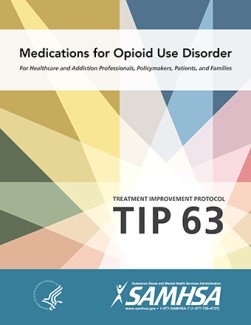
New from SAMHSA: Medications for Opioid Use Disorders
SAMHSA has released a new publication as part of the Treatment Improvement Protocol series.
Η επαναλαμβανόμενη έκθεση στο κανναβινοειδές "Spice" JWH-018 επάγει την ανοχή και ενισχύει την ανταπόκριση στη διέγερση των υποδοχέων 5-HT1A σε αρσενικούς αρουραίους
Η ναφθαλεν-1-υλο-(1-πεντυλινδολο-3-υλο)μεθανόνη (JWH-018) είναι μια συνθετική ένωση που βρίσκεται σε ψυχοδραστικά προϊόντα "μπαχαρικών" που ενεργοποιεί τους υποδοχείς κανναβινοειδών. Προκλινικά στοιχεία δείχνουν ότι η έκθεση σε συνθετικά...
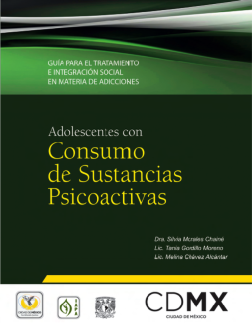
Guía para el tratamiento e integración social en materia de adicciones
El objetivo de esta guía es facilitar la comprensión del problema de consumo de sustancias en adolescentes, así como presentar las prácticas basadas en la evidencia clínica más efectivas para la orientación e intervención con esta población...
e-Addictology: An Overview of New Technologies for Assessing and Intervening in Addictive Behaviors
Background: New technologies can profoundly change the way we understand psychiatric pathologies and addictive disorders. New concepts are emerging with the development of more accurate means of collecting live data, computerized...
Αναφερόμενη θεωρητική χρήση από ψηφιακές παρεμβάσεις για επικίνδυνη και επιβλαβή κατανάλωση αλκοόλ και συσχέτιση με την αποτελεσματικότητα
ΑΦΗΡΗΜΈΝΟΣ
Φόντο: Η εφαρμογή της θεωρίας στο σχεδιασμό και την αξιολόγηση των παρεμβάσεων είναι πιθανό να αυξήσει την αποτελεσματικότητα και να βελτιώσει τη βάση στοιχείων από την οποία αναπτύσσονται μελλοντικές παρεμβάσεις, αν και λίγες...
Role of Addiction and Stress Neurobiology on Food Intake and Obesity
Abstract
The US remains at the forefront of a global obesity epidemic with a significant negative impact on public health. While it is well known that a balance between energy intake and expenditure is homeostatically regulated to control...
Risk of Violence in Drug Rehabilitation Centers
Abstract
Background
In 2009, Mexico reformed its health law to partially decriminalize drug possession considered for personal use and to increase mandatory referrals to certified drug rehabilitation centers in lieu of incarceration...
The Health and Social Effects of Nonmedical Cannabis Use
Foreword
Cannabis is globally the most commonly used psychoactive substance under international control. In 2013, an estimated 181.8 million people aged 15-64 years used cannabis for nonmedical purposes globally (UNODC, 2015). There is an...
Extent and Patterns of Drug Use among Persons with Disabilities in Kenya
Abstract
Background: Although some data existed suggesting that there was high prevalence of drug use among the general population in Kenya with 39-48% of 15-65 year olds having used alcohol and at least one other substance, there was a...
Substance Abuse during Pregnancy: A 5-Year Follow-Up of Mothers and Children
Abstract
Introduction: The study investigates health and social conditions among pregnant substance abusers and the children that were born from these pregnancies, and analyses outcomes in relation to type of substance abuse.
Methods: Reg...
Does Salt Addiction Exist?
ABSTRACT
Background: Salt consumption activates the brain reward system, inducing cravings and the search for salted food. Its excessive intake is associated with high blood pressure and obesity. The high quantity of salt in processed food...
Trends in Mortality Rates Where Alcohol Was a Necessary Cause of Death in Brazil, 2000–2013
Abstract
[ABSTRACT]. Objective: To analyze trends in mortality due to diseases and conditions fully attributable to alcohol in Brazil. Methods: This was an ecological time-series study. Proportional, specific, and age-standardized...
Διαθεσιμότητα εξόδου αλκοόλ και υπερβολική κατανάλωση αλκοόλ σε επιζώντες καρκίνου του μαστού
Αφηρημένος
Φόντο:
Οι επιζώντες από καρκίνο του μαστού που καταναλώνουν υπερβολική κατανάλωση αλκοόλ διατρέχουν αυξημένο κίνδυνο υποτροπής και έχουν χειρότερη πρόγνωση. Επειδή τα περιβάλλοντα στα οποία ζουν οι άνθρωποι διαμορφώνουν πολλές...
Association of Cigarette, Cigar, and Pipe Use With Mortality Risk in the US Population
Key Points
Question: What is the association of cigar, pipe, and cigarette use with mortality risk in the US population?
Findings: In this nationally representative longitudinal cohort study of 357 420 participants comparing exclusive...
Συστάσεις για την ερευνητική ατζέντα της πολιτικής για την κάνναβη της NIDA
Το Εθνικό Ινστιτούτο για την Κατάχρηση Ναρκωτικών (NIDA) δημοσίευσε μια νέα έκθεση Συστάσεις για την Ατζέντα Έρευνας Πολιτικής για την Κάνναβη του NIDA.
Το έγγραφο έχει προετοιμαστεί από την ομάδα εργασίας του Εθνικού Γνωμοδοτικού...
Reduced Orbitofrontal Gray Matter Concentration as a Marker of Premorbid Childhood Trauma in Cocaine Use Disorder
Background: Childhood trauma affects neurodevelopment and promotes vulnerability to impaired constraint, depression, and addiction. Reduced gray matter concentration (GMC) in the mesocorticolimbic regions implicated in reward processing and...
Cocaine Effects on Dopaminergic Transmission Depend on a Balance between Sigma-1 and Sigma-2 Receptor Expression
Sigma σ1 and σ2 receptors are targets of cocaine. Despite sharing a similar name, the two receptors are structurally unrelated and their physiological role is unknown. Cocaine increases the level of dopamine, a key neurotransmitter in CNS...
Una guía de bolsillo: Indagación del abuso del alcohol y una intervención breve
Esta guía de bolsillo fue resumida de la guía de 34 páginas del NIAAA, Ayudando a Pacientes que Beben en Exceso: Una Guía Clínica. Los materiales incluyen:
- Folletos educativos para pacientes
- Notas de progreso ya formateadas
- Diapositiva...
