
Αναζήτηση
 Populations
Distinct groups of people within a society who share certain characteristics such as age, gender, geographic location, socioeconomic status, cultural background, or exposure to particular risk factors that may influence patterns of substance use, vulnerability to substance use disorders, and access to services. In the context of substance use systems, identifying and understanding different populations helps guide the design of prevention, treatment, recovery, and policy responses that are appropriate, equitable, and responsive to specific needs. Examples may include youth, women, people experiencing homelessness, individuals in the criminal justice system, or communities affected by specific social or economic conditions.

Addiction as a Brain Disease
Even though scientific advances over the past decades have supported the concept of addiction as a brain disease, skepticism remains. Recent research has aimed to reinforce the link between addiction and brain functions and broaden the...
Growing up unequal: gender and socioeconomic differences in young people's health and well-being. Health Behaviour in School-aged Children (HBSC) study
This book is the latest addition to a series of reports on young people's health from the Health Behaviour in School-aged Children (HBSC) study: a WHO collaborative cross-national study that has provided information about the health, well...
Το πρωτοποριακό πρόγραμμα μεθαδόνης δίνει ελπίδα σε χιλιάδες ανθρώπους στο Νταρ ες Σαλάμ
Σε μια διακριτική γωνιά των εγκαταστάσεων του περιφερειακού νοσοκομείου Mwananyamala, στο Dar es Salaam, μια ομάδα νέων περιμένουν στην ουρά έξω από ένα μικρό παράθυρο για να πάρουν την καθημερινή τους δόση μεθαδόνης.
International Standards on Drug Use Prevention
These global International Standards summarize the currently available scientific evidence, describing interventions and policies that have been found to result in positive prevention outcomes and their characteristics. Concurrently, the...
Είναι καιρός να μιλήσετε στον έφηβο σας για τη χρήση ναρκωτικών;
Το Εθνικό Ινστιτούτο των ΗΠΑ για την Κατάχρηση Ναρκωτικών (NIDA) ενημέρωσε πρόσφατα τον πόρο Οικογενειακού Ελέγχου για γονείς που ανησυχούν για το αν τα παιδιά τους θα ξεκινήσουν ή κάνουν ήδη χρήση ναρκωτικών.
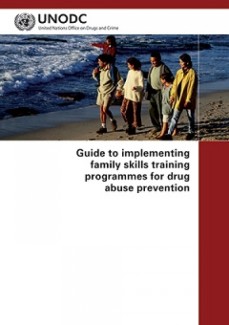
Guide to Implementing Family Skills Training Programmes for Drug Abuse Prevention
UNODC published Guidelines to implement family skills training programmes for drug abuse prevention in March 2009. These guidelines contain evidence of effectiveness, principles of family skills training programmes, cultural adaptation...