جستجو
Pharmacological Interventions
The use of medication to manage withdrawal symptoms, reduce cravings, or treat co-occurring mental health disorders e.g., methadone, buprenorphine, naltrexone.

Smoking Cessation Intervention for People with Severe Mental Illness
It is well documented that people with severe mental health issues are more likely to smoke compared to the general population. Smoking reduces physical wellbeing and is a key modifiable risk factor for health inequality. Despite this...

Molecular Neuroscience at its “High”: Bibliometric Analysis of the Most Cited Papers on Endocannabinoid System, Cannabis and Cannabinoids
Abstract
Background
Cannabis, cannabinoids and endocannabinoids are heavily investigated topics with many articles published every year. We aimed to identify the 100 most cited manuscripts among the vast literature and analyze their...
ترکیب درمان پزشکی کمک و برنامه نویسی دوازده مرحله ای: چشم انداز و بررسی
آبستره
سابقه و هدف: افراد مبتلا به اختلالات شدید مصرف مواد پس از درمان اولیه نیاز به مراقبت های توانبخشی طولانی مدت دارند. با این حال، کسری در دسترس بودن چنین مراقبتی وجود دارد. این امر ممکن است هم به دلیل پوشش پزشکی ناکافی و هم استفاده...
Acute Effects of Smoked and Vaporized Cannabis in Healthy Adults Who Infrequently Use Cannabis
Key Points
Question: How does smoked and vaporized cannabis acutely influence subjective drug effects, cognitive and psychomotor performance, and cardiovascular measures in healthy adults who infrequently use cannabis (>30 days since last...
Evaluation of Amphetamine-Related Hospitalizations and Associated Clinical Outcomes and Costs in the United States
Key Points
Question: What are the current trends in frequency and costs of amphetamine-related hospitalizations in the United States?
Findings: In this cross-sectional study of approximately 1.3 million amphetamine-related US...
The Cannabinoid Receptor 1 Associates with NMDA Receptors to Produce Glutamatergic Hypofunction: Implications in Psychosis and Schizophrenia
The endocannabinoid system is widespread throughout the central nervous system and its type 1 receptor (CB1) plays a crucial role in preventing the neurotoxicity caused by activation of glutamate N-methyl-D-aspartate receptors (NMDARs)...
Emergency Department Screening and Interventions for Substance Use Disorders
Abstract
The emergency department (ED) has long been recognized as providing critical access to the health care system for many, yet only in the past few decades has the ED visit been recognized as an opportunity to identify and link...
A Pragmatic Trial of E-Cigarettes, Incentives, and Drugs for Smoking Cessation
ABSTRACT
BACKGROUND
Whether financial incentives, pharmacologic therapies, and electronic cigarettes (e-cigarettes) promote smoking cessation among unselected smokers is unknown.
METHODS
We randomly assigned smokers employed by 54...
Cannabinoids in Glioblastoma Therapy: New Applications for Old Drugs
Glioblastoma (GBM) is the most malignant brain tumor and one of the deadliest
types of solid cancer overall. Despite aggressive therapeutic approaches consisting of
maximum safe surgical resection and radio-chemotherapy, more than 95% of...
Abuse-Deterrent Opioid Formulations
Abstract
Abuse-deterrent opioid formulations have been suggested as one way to decrease the abuse, addiction, and overdose of orally prescribed opioids. Ten oral opioid formulations have received abuse-deterrent labeling by the U.S. Food...
Public versus Internal Conceptions of Addiction: An Analysis of Internal Philip Morris Documents
Abstract
Background
Tobacco addiction is a complex, multicomponent phenomenon stemming from nicotine’s pharmacology and the user’s biology, psychology, sociology, and environment. After decades of public denial, the tobacco industry now...
ارزیابی خدمات توقف بالینی‐ سیگار کشیدن در سطح جهان: به سمت حداقل مجموعه داده ها
آبستره
سابقه و هدف
حمایت رفتاری و دارویی برای کاهش سیگار شانس موفقیت را بهبود می بخشد و نشان دهنده یک راه بسیار هزینه ‐ برای جلوگیری از بیماری مزمن و مرگ زودرس است. تعداد زیادی از خدمات توقف بالینی سیگار کشیدن ‐ سراسر جهان وجود دارد. این...
Single‐Dose Bioequivalence of Two Mini Nicotine Lozenge Formulations
Abstract
Diverse nicotine replacement therapy options may improve consumer usage. This study was conducted to establish the bioequivalence of a new cherry‐flavored mini lozenge with that of a currently marketed mint‐flavored mini lozenge...
Guidelines on the Management of Co-Occurring Alcohol and Other Drug and Mental Health Conditions in Alcohol and Other Drug Treatment Settings
In a nutshell...
These Guidelines aim to provide alcohol and other drug (AOD) workers with evidence-based information to assist with the management of co-occurring, or comorbid, AOD and mental health conditions. They represent an update...
قانون ملی درمان اختلالات مصرف مواد در کنیا
سوء مصرف مواد مخدر در کنیا و به ویژه در میان جوانان در حال افزایش است. آمار فعلی نشان می دهد که بیش از نیمی از مصرف کنندگان مواد مخدر 10-19 سال سن دارند. اکثر مطالعات انجام شده در کشور نشان می دهد که داروهایی که معمولا استفاده می شوند...
Time‐Dependent Neuronal Changes Associated with Craving in Opioid Dependence: An fMRI study
Abstract
Relapse after initially successful treatment is a significant problem facing the treatment of opioid dependence. Evidence suggests craving elicited by re‐exposure to drug cues may precipitate relapse. Attempts to identify neural...
Nabiximols Combined with Motivational Enhancement/Cognitive Behavioral Therapy for the Treatment of Cannabis Dependence
Abstract
Background
The current lack of pharmacological treatments for cannabis use disorder (CUD) warrants novel approaches and further investigation of promising pharmacotherapy. We previously showed that nabiximols (27 mg/ml Δ9...
Measuring Treatment Outcomes in Gambling Disorders
Abstract
Background and Aims
Considerable variation of outcome variables used to measure recovery in the gambling treatment literature has precluded effective cross-study evaluations and hindered the development of best-practice treatment...
راهنمایی مداخله mhGAP برای اختلالات روانی، عصبی و مصرف مواد در سطح مراقبت های بهداشتی غیر تخصصی. نسخه 2.0
اختلالات روانی، عصبی و مصرف مواد بسیار شایع است و نشان دهنده بار بزرگی از بیماری و ناتوانی در سراسر جهان است. شکاف گسترده ای بین ظرفیت سیستم های بهداشتی و منابع موجود، بین آنچه که به فوریت مورد نیاز است و آنچه در دسترس است برای کاهش بار...
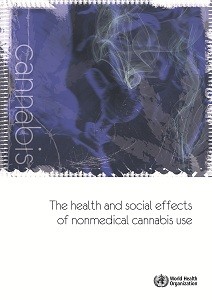
The Health and Social Effects of Nonmedical Cannabis Use
Foreword
Cannabis is globally the most commonly used psychoactive substance under international control. In 2013, an estimated 181.8 million people aged 15-64 years used cannabis for nonmedical purposes globally (UNODC, 2015). There is an...