


Пошук
 Psychoactive Substances
Psychoactive substances are natural or synthetic substances that act on the central nervous system and alter mental processes such as mood, perception, cognition, consciousness, and behaviour. These substances may be legally prescribed medications (e.g., pain medications or sedatives), legally available substances such as alcohol or caffeine, or controlled or illicit drugs. Psychoactive substances can be used for medical, social, cultural, or recreational purposes, but some carry risks of misuse, dependence, and health or social harms when used in harmful ways.

Серія відео про профілактику ВІЛ серед людей, які вживають стимулюючі препарати
Регіональний програмний офіс ЮНОДК у Східній Європі (Київ, Україна) та Благодійний фонд «Гуманітарна дія» (Росія) запускають серію з 8 анімаційних відео про надання послуг з профілактики ВІЛ для людей, які використовують стимулятори. Відео...
Prof. Thomas Babor received an honorary degree from Charles University
Thomas F. Babor is a renowned researcher and professor of Public Health Studies at the University of Connecticut and author of more than 15 books and the editor of Publishing Addiction Science. In the late 1980s, Prof. Babor was one of the...

The Pregnancy Edit
The Society for the Study on Addiction (SSA) Pregnancy Edit is a series of articles on alcohol-related harm in pregnancy, published on the Society for the Study of Addiction website in September 2021.
Topic covered include:
- the...
Assessing the Prevalence of Fetal Alcohol Spectrum Disorder (FASD) in the UK
In a new study, led by a team at the University of Salford, evidence has been found to suggest fetal alcohol spectrum disorder (FASD) is a significant issue among the population, likely to be as common as autism, despite being rarely...
Research led by people who use drugs: centering the expertise of lived experience
Despite a long history of successful, community-led harm reduction programs and rising health inequalities suffered by PWUD, research collaborations between PWUD and researchers remain generally ignored. PWUDs are crucial in identifying...
Психосоціальні втручання для поліпшення психологічного, соціального та фізичного благополуччя у членів сім'ї, які постраждали від вживання психоактивних речовин у дорослого родича: систематичний пошук та огляд доказів
Вживання алкоголю і наркотиків є серйозною проблемою для громадського здоров'я і поширене в сім'ях. Вважається, що понад 100 мільйонів людей страждають від вживання психоактивних речовин близьким родичем, багато з яких відчувають негативні...
День оновлення щодо запобігання залежностей на робочому місці
У співпраці з ISSUP Аргентина ISSUP Еквадор представив оновлення щодо запобігання залежностей на роботі.
Подія відбулася 27 жовтня 2021 року
Діафрагми:
• Хімена Калавскі - голова OAS скорочення попиту - CICAD ...
Профилактика и помощь при передозировках психоактивными веществами
ISSUP Казахстан приглашает вас принять участие в предстоящем вебинаре по теме: 'Профилактика и помощь при передозировках психоактивными веществами'.
Широкое распространение наркотиков, а также использование Интернета для их распространения...
ГРОМАДСЬКА ОРГАНІЗАЦІЯ «Блакитний Хрест Того» пропонує фінансовий конверт 21 таксисту на мотоциклі
У вівторок, 14 вересня 2021 року, в присутності адміністративної та місцевої влади муніципалітету Перської затоки, громадської організації «Блакитний Хрест», ініціатора проєкту «Їзда без трамадолу» та інших. він їде безпечно'';надав...

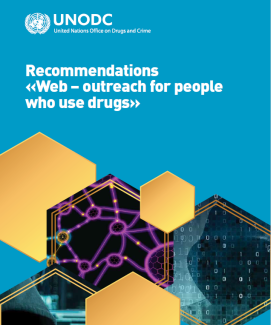
Рекомендації "Веб-охоплення для людей, які вживають наркотики"
Регіональне програмне бюро ЮНОДК у Східній Європі (Київ, Україна) у співпраці з Фондом гуманітарних дій (Санкт-Петербург, Росія) видає рекомендації щодо веб-охоплення для людей, які вживають наркотики (PWUD), включаючи людей, які вживають...
Policies, delivery models, and lessons learned from integrating mental health and substance abuse services into primary health care in Ethiopia.
In Ethiopia, noncommunicable diseases (NCDs) represent 18.3% of premature mortality, consume 23% of the household expenditures, and cost 1.8% of the gross domestic product. Risk factors such as alcohol, khat, and cannabis use are on the...
Оцінка нейротрофічних факторів та рівня освіти як предикторів зниження когнітивних здібностей при розладі вживання алкоголю
Абстрактний
Когнітивний резерв (CR) - це здатність людини впоратися з патологією мозку за допомогою компенсаторних механізмів, розроблених за допомогою когнітивної стимуляції розумовою та фізичною активністю. Нещодавно було висловлено...
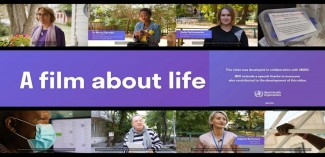
Передозування наркотиками: фільм про життя
Це фільм про надію та життя, він про людей, які змінюють світ на краще.
Correlates of motivation for treatment among alcohol service users in Uganda
Introduction: Given the scarce literature on alcohol use disorders (AUD) and their treatment in developing countries, this paper aims to explore motivation levels and their correlates among alcohol service users in two residential treatment...
‘Externalising questions in relation to Addictive Thinking’
Externalising question in relation to Addictive Thinking (Self)
- How does addictive thinking get you to use more than you intended to?
- What are some things that give addictive thinking more space?
- How does addictive thinking get you to...
Deconstructing Addiction
This resource has been initiated by Anthony Corballis in conjunction with Dulwich Centre Publications. You’ll find here a range of writings about addiction and ways of responding to alcohol and other drug use.