


Tìm kiếm
 Treatment
The range of medical, psychological, and social services designed to help individuals reduce or stop substance use and manage substance use disorders. Treatment may include assessment, counselling and behavioural therapies, medication-assisted treatment, withdrawal management, and support for co-occurring mental or physical health conditions. Effective treatment is typically person-centred and evidence-informed, and may be provided in outpatient, community, or residential settings. Treatment aims to improve health and functioning, reduce substance-related harms, and support individuals in moving toward recovery and long-term wellbeing.


Effectiveness Bank Alcohol Treatment Matrix Cell D1: How Organisational Context Affects Screening and Brief Intervention
HOW ORGANISATIONAL CONTEXT AFFECTS SCREENING AND BRIEF INTERVENTION
Selection and exploration of key studies starts with a review mapping influences which might obstruct or promote implementation efforts, then highlights a striking...
Panorama Nacional del Consumo de Alucinógenos: Demanda de Tratamiento por Fenciclidina
Este informe pertenece al Observatorio Mexicano de Drogas y presenta el incremento de la demanda de tratamiento por consumo de fenciclidina en México durante 2018. Hasta el 2016 la demanda de tratamiento de fenciclidina se ubicaba en el...
Differences in Availability and Use of Medications for Opioid Use Disorder in Residential Treatment Settings in the United States
Opioid use and Opioid Use Disorder (OUD) continues to be a significant public health concern in the United States.
Several medications for OUD (MOUDs) are now considered by the medical community to be the criterion standard in OUD recovery...
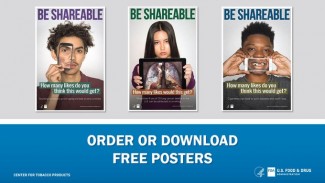
FDA Tobacco Education Posters (English and Spanish)
Free youth smoking prevention posters from FDA Tobacco for order or download in English or Spanish.
ICUDDR Annual Conference 2020: Call for Proposals
The International Consortium of Universities for Drug Demand Reduction (ICUDDR) is holding its annual conference at the Sukosol Hotel in Bangkok Thailand, July 13-15, 2020. Conference registration will begin on March 1st.
ICUDDR supports...

Effectiveness Bank Alcohol Treatment Matrix Cell C1: Mandate - or Let Clinicians and Patients Decide When to Screen and Advise for Risky Drinking?
This week we focus on one section of the commentary on the matrix cell released last week which explored management’s influence on screening/brief intervention for risky drinking. A major issue facing management is whether to strongly...
Heavy Cannabis Use, Dependence and the Brain
Although cannabis use disorder (CUD) is one of the most common substance use disorders (SUDs), the impact of CUD on the brain remains unclear and understudied.
In a recent article, published in Addiction journal, researchers from the...

WEBINAR: Ken C. Winters on Adolescent Brain Development
How does substance use affect the developing brain? What implications does the evidence have for substance use prevention and treatment? Our first Expert Days webinar explores several issues at the intersection of teenage brain development...

Trauma Informed Care for Alcohol and Other Drug (AOD) Practice
Trauma, especially during childhood, can negatively impact the way our brains develop.
Adverse childhood experiences (ACEs) are potentially traumatic events experienced before reaching the age of 18, including but not limited to abuse or...
Effectiveness Bank Alcohol Treatment Matrix Cell C1: Management’s Influence on Alcohol Screening and Brief Intervention
MANAGEMENT’S INFLUENCE ON ALCOHOL SCREENING AND BRIEF INTERVENTION
Key studies on management’s influence on the delivery and effectiveness of screening and brief intervention for risky drinking. ‘Bite’ commentary starts with UK guidance...
Características estructurales de las redes subjetivas en el Tratamiento Comunitario
Las redes subjetivas son uno de los sujetos centrales del Tratamiento Comunitario. En este escrito, compuesto de dos partes, se presentan algunos datos sobre características estructurales de las redes personales con el fin de tener algunos...
Is Screening, Brief Intervention, and Referral to Treatment (SBIRT) Effective for Addressing Substance Use among Adolescents?
Nicotine, alcohol and marijuana are the most widely used substances among adolescents. These substances, however, can have serious negative consequences for brain development, making substance use among adolescents a major public health...
Differences between Girls and Boys at Treatment Entry and in Response to Treatment
Psychoactive substance use among children in Afghanistan is an issue of concern. Somewhere around 300,000 children in the country have been exposed to opioids that either parents directly provided to them or by passive exposure. Evidence...
Invitation to Tender: Low and No Alcohol Drinks
Alcohol Change UK is commissioning a literature and policy review about low-alcohol and alcohol-free drinks.
Low-alcohol and alcohol-free drinks appear to be gaining market share, attention within the drinks industry, public awareness and...
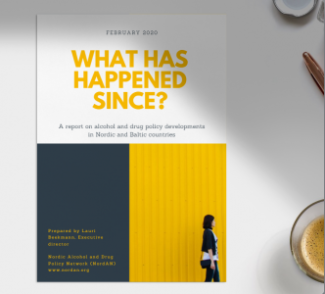
What Has Happened Since – 2020 Report
The Nordic Alcohol and Drug Policy Network (NordAN) was established in September 2000 as a network of non-governmental, voluntary organisations. Their aim is to reduce the consumption of alcohol and other drugs and support restrictive...
Smoking Greatly Increases Risk of Complications after Surgery
A joint study conducted by the World Health Organization and the University of Newcastle in Australia has found that people who quit smoking tobacco at least four weeks before they undergo surgery have a lower risk of complication and show...
Should Cigarette Pack Sizes be Capped?
In an attempt to prevent harmful tobacco use, countries have introduced policies such as the minimum number of cigarettes. This increases the cost of buying a packet of tobacco and it is hoped it will deter young people from buying.
In...

CCSA Alcohol Resources
Healthcare and allied health professionals — including family physicians, nurses, addiction specialists, psychologists and social workers — use alcohol screening, brief intervention and referral to treatment (SBIRT) to help individuals...
Effectiveness Bank Alcohol Treatment Matrix Cell B1: Is it what you don’t do that really matters?
IS IT WHAT YOU DON’T DO THAT REALLY MATTERS?
This week we focus on one section of the commentary on the matrix cell released last week. The whole cell explored seminal and key research on the influence of the practitioner on screening and...
Effectiveness Bank Analysis: The ‘Abstinent Alcoholic’
‘Backfilled’ as a seminal study for the Alcohol Treatment Matrix, the classic description of the patient who has sustained abstinence after treatment but is still unhappy, unfulfilled and/or nervously hanging on - in other words, not really...