
Tìm kiếm
 Treatment
The range of medical, psychological, and social services designed to help individuals reduce or stop substance use and manage substance use disorders. Treatment may include assessment, counselling and behavioural therapies, medication-assisted treatment, withdrawal management, and support for co-occurring mental or physical health conditions. Effective treatment is typically person-centred and evidence-informed, and may be provided in outpatient, community, or residential settings. Treatment aims to improve health and functioning, reduce substance-related harms, and support individuals in moving toward recovery and long-term wellbeing.


Outcomes of a Novel Office-Based Opioid Treatment Program in an Internal Medicine Resident Continuity Practice
Abstract
Background
The integration of opioid use disorder (OUD) care and competencies in graduate medical education training is needed. Previous research shows improvements in knowledge, attitudes, and practices after exposure to OUD...
Care for Hospitalized Patients with Unhealthy Alcohol Use: A Narrative Review
Abstract
There is increasing emphasis on screening, brief intervention, and referral to treatment (SBIRT) for unhealthy alcohol use in the general hospital, as highlighted by new Joint Commission recommendations on SBIRT. However, the...
How Many Tries Does it Take to Resolve a Substance Use Problem? Lessons from a National Study of Recovering Adults in the U.S.
This retrospective cohort study asks people who are in recovery or have not used alcohol or drugs for at least two years following meeting diagnostic criteria for having a SUD how many quit attempts they had made prior to success. The range...
Global Drug Survey 2020
GDS 2020 — GDS believes that the expertise and experience of people who use alcohol and other drugs can be used to inform the creation of better drug policy, whilst helping people use drugs more safely, regardless of the legal status of...
UNODC and WHO Organize International Training on Substance Use Treatment and Care during Pregnancy
Kyiv (Ukraine), 18 December 2019 - The United Nations Office on Drugs and Crime (UNODC) jointly with the World Health Organization (WHO) in the framework of the UNODC-WHO Programme on Drug Dependence Treatment and Care, organized an...

Teen E-Cigarette Use Doubles Since 2017
Data from the 2019 Monitoring the Future Survey of 8th, 10th and 12th graders show alarmingly high rates of e-cigarette use compared to just a year ago, with rates doubling in the past two years.
The Monitoring the Future Survey analyses...

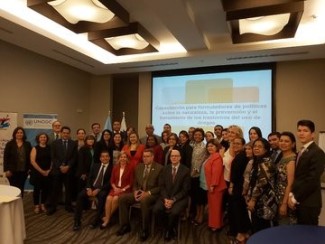
UNODC Training on the Nature, Prevention and Treatment of Drug Use Disorders for Intersectoral Group of Panama Policymakers
Thirty-four (34) high-level decision makers from CONAPRED, the Ministries of Health, Education and Social Development, NGOs and other entities are participating in a three-day workshop on creating humane, effective and evidence-based drug...
Association of Punitive and Reporting State Policies Related to Substance Use in Pregnancy With Rates of Neonatal Abstinence Syndrome
Key Points
Question: Are state punitive or reporting policies related to substance use during pregnancy associated with rates of neonatal abstinence syndrome (NAS)?
Finding: In this repeated cross-sectional study of nearly 4.6 million...
NAADAC Free Webinar Series
NAADAC is happy to offer free addiction-specific education through its Free Webinar Series.
The 2019 Free Webinar Series releases two live webinars per month, which are then captured and made available for future viewing in NAADAC's Free...
ASAP-Training Newsletter
The aim of the ASAP training project is to build effective drug prevention results across Europe, based on prevention systems analysis and widespread professional training.
The ASAP training project will work to identify the strengths and...
Vibrant and Healthy Kids Aligning Science, Practice, and Policy to Advance Health Equity
Children are the foundation of the United States, and supporting them is a key component of building a successful future. However, millions of children face health inequities that compromise their development, well-being, and long-term...
National Drugs Library: The Irish Situation Factsheets
The Health Research Board have updated their fact sheets relating to drug use and treatment in Ireland.

Minimum Unit Pricing
One way to deter people from consuming excessive and harmful amounts of alcohol is through alcohol pricing policies. One such policy is the Minimum Unit Pricing.
Several countries, including Scotland, Canada, certain states of the USA...
En el marco de la reunión de COPOLAD en Panamá, organismos multilaterales intercambian experiencias de cooperación y apoyo a las políticas de drogas de los países
Representantes de OPS-OMS, CICAD, Observatorio Europeo, UNDOC y CARICOM debaten estrategias para fortalecer la calidad de los tratamientos y de los programas de prevención en los países. Como complementarse y no superponerse; y como lograr...

Drug Demand Reduction
Drug Demand Reduction
By Grainne Kenny
An estimated 200 million people, or 5% of the global population aged between 15-64yrs have used illicit drugs at least once in the past year. Britain and Ireland have the highest number of drug and...
The Emerging Role of Toxic Adulterants in Street Drugs in the US Illicit Opioid Crisis
This article introduces the emergence of adulterant cutting agents in street drugs in the United States and considers the synergistic effects that is compounding the opioids crisis in the U.S. The article outlines the role of the Colombo...
Adverse Childhood Experiences (ACEs)- Evidence Briefing
There is a pressing need to protect the wellbeing of children growing up within our society.
Adverse Childhood Experiences (ACEs) are highly stressful events or situations that happen during childhood and/or adolescence.
There is clear...
Training on Basic Counselling Skills for Addiction Professional - Final Report
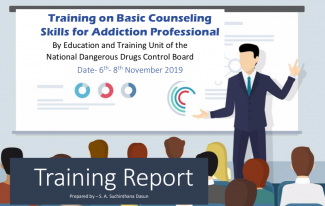
In order to appropriately address the concerning global levels of substance use and substance use disorders, it is vital that staff are trained to deliver evidence-based treatment.
At the start of November 2019, the Education and Training...
Cannabis Use during Methadone Maintenance Treatment for Opioid Use Disorder: A Systematic Review and Meta-Analysis
Abstract
Background: Rates of cannabis use among patients receiving methadone maintenance therapy are high, and cannabis use may be associated with outcomes of methadone maintenance therapy. We examined the effect of cannabis use on opioid...
Transferencia tecnológica en el área de adicciones
RESUMEN
Los conocimientos que proporciona la psicología deben dar respuesta a diferentes problemáticas, lo que sólo puede lograrse cuando los hallazgos obtenidos por evidencia científica son asequibles a otros grupos científicos, y núcleos...