
Hledat
 Quality Assurance
Quality assurance refers to the systematic processes used to monitor, evaluate, and improve the quality of services addressing substance use disorders. These processes help ensure that prevention, treatment, and recovery services are safe, effective, ethical, and aligned with recognised professional standards and evidence-based practices. Quality assurance may include service standards, accreditation, supervision, monitoring of outcomes, client feedback, and continuous quality improvement mechanisms. By promoting accountability and consistent service delivery, quality assurance supports better health outcomes and strengthens substance use systems of care.

Quality of life profile of methadone maintenance treatment patients in Ho Chi Minh City, Vietnam
Aim: To determine the health-related quality of life (HRQoL) of methadone maintenance treatment patients in Ho Chi Minh City, Vietnam. Subject and Methods: A cross-sectional study was conducted in 967 patients being treated at two methadone...
Bi-Monthly Webinar: ISSUP Nigeria Knowledge Update Series (Thirteenth Session)
ISSUP Nigeria would like to invite you to attend their next Bi-Monthly Webinar in the Knowledge Update Series. The Webinar topic will be Beyond Dependence: Alcohol-induced Disorders.
Learning Outcomes:
• Sensitization to the wide range...
Keynote Speakers - WHO & UNODC and ICQ Official Launch, Day 2, Track 1, 08:00-09:00
Presented as part of the Uniting the global community to face the challenge of addiction event, in-person on 13th May, 2022
Drug Policy, Day 1, Track 1, 11:00-12:30
Presented as part of the Uniting the global community to face the challenge of addiction event, in-person on 12th of May,2022
Pohledy pacientů na depotní léčbu závislosti na opioidech buprenorfinem – kvalitativní studie rozhovoru
Pozadí
Nedávno vyvinuté injekce buprenorfinového depa mají potenciál snížit riziko odklonu a nesprávného použití a zvýšit adherenci s menším počtem návštěv pro kontrolovaný příjem. Není však jasné, jak pacienti vnímají tuto novou formu...
A qualitative study exploring how young people perceive and experience substance use services in British Columbia, Canada
Background
Substance use among youth (ages 12–24) is troublesome given the increasing risk of harms associated. Even more so, substance use services are largely under utilised among youth, most only accessing support when in crisis. Few...
UNODC promotes the dialogue on drug demand reduction across Central Asia at ISSUP Abu Dhabi 2022 Conference
Within the framework of UNODC global project GLOJ71”Treating drug dependence and its health consequences: Treatnet II” UNODC ROCA in collaboration with Prevention, Treatment and Rehabilitation Section (PTRS) HQ supported participation of 19...

Introduction of new methods and tools for drug use disorders diagnostics and treatment discussed in Kazakhstan
On April 15, 2022, the UNODC Regional Office for Central Asia in collaboration with the Republican Scientific and Practical Center for Mental Health held a “National Round Table Discussion on the application of new methods and tools of drug...

Introduction of new methods and tools for drug use disorders diagnostics and treatment discussed in Tajikistan
On 8 April 2022 UNODC conducted a national round table meeting on the introduction of new methods and tools for drug use disorders diagnostics and treatment in Dushanbe, Tajikistan.
The event brought together some 20 experts from the...

National Round Table Discussion on application of new methods and tools of drug use disorders diagnostics and treatment in Uzbekistan
On 25 March 2022 the UNODC Regional Office for Central Asia held a National Round Table Discussion on application of new methods and tools of drug use disorders’ diagnostics and treatment in Tashkent, Uzbekistan. The meeting was attended by...

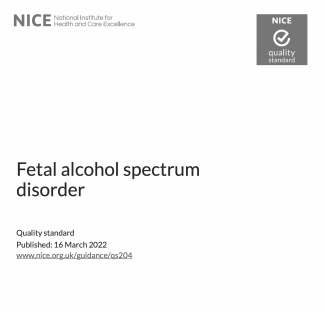
Fetal alcohol spectrum disorder - Quality standard
Latest quality standard published sets out how health and care services can improve the diagnosis, assessment, and prevention of foetal alcohol spectrum disorder (FASD).
The quality standard highlights five key areas for improvement:
- ...
HealthCare educational differences in pain management, adverse childhood experiences and their relationship to substance use disorder education
The Ohio Attorney General selected experts from a number of academic fields to the Scientific Committee on Opioid Prevention and Education (SCOPE) to help the State of Ohio in tackling the opioid crisis in the United States. The focus of...
Prevalence lidí, kteří injekčně užívají drogy mezi těmi s HIV pozdní prezentace: meta-analýza
Včasná detekce syndromu získané imunitní nedostatečnosti umožňuje infikovaným lidem používat profylaxi proti oportunním infekcím a zahájit okamžitou léčbu sekundárních komplikací. Lidé, kterým se dostane léčby, mají prospěch ze zvýšené...
The prevalence and pattern of cannabis use among patients attending a methadone treatment clinic in Nairobi, Kenya
Cannabis is the most widely used illegal substance in the world, with a global prevalence of 4% among people aged 15 to 64 years and a recent trend of growing use. Cannabis usage can have negative health consequences, such as impaired...
Staff preferences towards electronic data collection from a national take-home naloxone program: a cross-sectional study
In Norway, overdose mortality is over 260 per year, with opioids being implicated in the majority of cases. In 2014, the Norwegian government announced a government-funded nationwide overdose prevention initiative in response to the country...
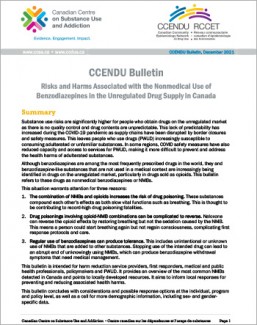
Rizika a škody spojené s nelékařským užíváním benzodiazepinů v neregulovaných dodávkách drog v Kanadě
Shrnutí
Rizika užívání návykových látek jsou výrazně vyšší u lidí, kteří získávají drogy na neregulovaném trhu, protože neexistuje žádná kontrola kvality a obsah drog je nepředvídatelný. Tato nedostatečná předvídatelnost se během pandemie...
Silný závazek Pákistánu k zajištění kvality v souladu s mezinárodními standardy UNODC-WHO pro léčbu poruch užívání drog
Úřad OSN pro drogy a kriminalitu (UNODC Pakistan) společně s podporou Ministerstva pro regulaci a koordinaci narkotik, Ministerstva pro regulaci a koordinaci národních zdravotnických služeb, sekce OSN pro prevenci, léčbu a rehabilitaci...
Koncept nepříznivých dětských zkušeností (ACE) ve výzkumném vzorku uvězněných dětí závislých rodičů
ÚVOD
Koncept ACE (Adverse Childhood Experiences) je založen na výsledcích kohortové studie založené na americké populaci publikované v časopise American Journal of Preventive Medicine v roce 1998. ACE je rozdělena do tří skupin: zneužívání...
AddictologyIssue 3/2021
Charakterizace klienta v komunitním léčebném přístupu: metodologické základy a důkazy
Identita a sociální zastoupení lidí spojených s drogami závisí na jejich interakci se systémem, který shromažďuje a analyzuje kritická data použitá k jeho popisu. AIM: Cílem této studie je zjistit, zda přijetím neinstitucionálního a...
AddictologyIssue 2/2021
Definování a implementace praxe založené na důkazech: K přečtení
Co máme na mysli důkazy? Tento seznam četby ISSUP obsahuje užitečné zdroje, které vám pomohou dozvědět se více o praxi založené na důkazech.