


Hledat
 Treatment
The range of medical, psychological, and social services designed to help individuals reduce or stop substance use and manage substance use disorders. Treatment may include assessment, counselling and behavioural therapies, medication-assisted treatment, withdrawal management, and support for co-occurring mental or physical health conditions. Effective treatment is typically person-centred and evidence-informed, and may be provided in outpatient, community, or residential settings. Treatment aims to improve health and functioning, reduce substance-related harms, and support individuals in moving toward recovery and long-term wellbeing.


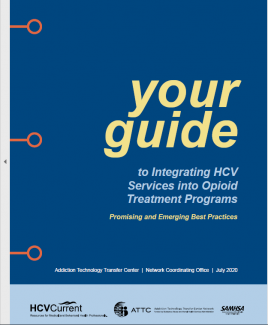
Váš průvodce integrací služeb HCV do programů léčby opiátů - ATTC Network
Opiátová epidemie vedla k významnému nárůstu viru hepatitidy C (HCV) mezi lidmi, kteří injekčně užívají drogy, což představuje 23% nových infekcí. HCV je zcela vyléčitelná a testování a léčba jsou cestou k vyléčení. Poskytovatelé léčby...
How to Identify and Respond to an Opioid Overdose
Rosie Gilliver from Kirketon Road Centre presented at the 2020 NDARC Webinar Series on Thursday, 16 July 2020.
This seminar provides information on how to identify and respond to an opioid overdose, as well as how to administer Nyxoid...
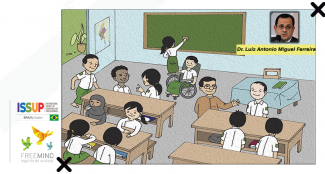
Student se zdravotním postižením a pandemie
Studenti se zdravotním postižením, na které se v době pandemie téměř zapomnělo, musí být zahrnuti, aby bylo zaručeno jejich právo na vzdělání.
Pandemie zhroutila náš každodenní život a odstranila nerovnost, která existuje ve společnosti a...
Treatnet Family - Tréninkové balíčky
Balíček školení Treatnet Family byl vyvinut jako součást vzdělávací strategie UNODC Treatnet na podporu členských států v jejich úsilí o poskytování léčby a péče o poruchy užívání drog založené na důkazech.
Treatnet Family přispívá zejména...
Geografická blízkost k poskytovatelům léčby buprenorfinem v USA
Abstraktní
Objektivní
V boji proti rostoucí epidemii opiátů potřebují lidé, kteří užívají drogy, přístup k lékům na poruchu užívání opiátů (MOUD) jako součást komplexní léčby. Navzdory pokroku přetrvávají mezery v léčbě. Naším cílem bylo...
Illicit Drug Use and the Genetic Overlap with Cannabis Use
Abstract
Background
Poor sleep quality and insomnia have been associated with the use of tobacco, alcohol, and cannabis, but it is unclear if there is a causal link. In this Mendelian Randomization (MR) study we examine if insomnia causes...
‘Bedside’ Manner Matters. Effectiveness Bank Alcohol Treatment Matrix Cell B3
The previous cell of the Alcohol Treatment Matrix looked mainly at the medications clinicians prescribe. Now we look at the clinicians themselves, and discover that for this ‘disease’, bedside manner is not just a...
Přehled systémů léčby a prevence poruch užívání návykových látek ve veřejném sektoru v Keni
Abstraktní
Pozadí
Předpokládá se, že zátěž způsobená poruchami spojenými s užíváním návykových látek v subsaharské Africe se do roku 2050 zvýší odhadem o 130 %. Navzdory tomu je málo známo o systémech léčby a prevence poruch užívání...
Webinář: Dostupnost, rovnost a kvalita služeb duševního zdraví v kontextu pandemie a po pandemii
ISSUP Argentina vás zve k účasti na webináři , který se bude zabývat dostupností, spravedlností a kvalitou služeb duševního zdraví v kontextu pandemie a postpandemie. Webinář se bude konat 3 . srpna 2020 v 18:00 ( argentinského času ).
3...
Mezinárodní cena za kolaborativní výzkum prevence
International Collaborative Prevention Research Award oceňuje příspěvky v oblasti vědy o prevenci v oblasti mezinárodní spolupráce. Letos cenu získali Matej Košir a Sanela Talić z Výzkumného a vývojového ústavu Utrip ve slovinské Borovnici...
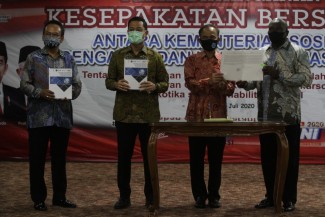
UNODC Indonesia, Ministry of Social Affairs and National Narcotics Board Jointly launched the Official Guideline for Drug Treatment during COVID-19 in Indonesia
On 10th July 2020 in Jakarta, the National Guideline for Drug Dependence Treatment during COVID-19 pandemic was officially launched together with His Excellency Mr. Juliari P. Batubara, Minister of Social Affairs, His Excellency Mr. Heru...
UNODC Indonesia, Ministry of Social Affairs and National Narcotics Board Jointly launched the Official Guideline for Drug Treatment during COVID-19 in Indonesia
On 10th July 2020 in Jakarta, the National Guideline for Drug Dependence Treatment during COVID-19 pandemic was officially launched together with His Excellency Mr. Juliari P. Batubara, Minister of Social Affairs, His Excellency Mr. Heru...
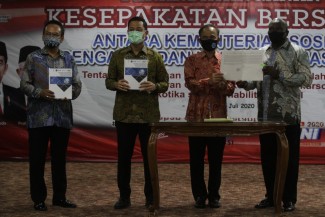
ASAM Level of Care Certification
ASAM Level of Care Certification, the first program of its kind to independently assess and verify treatment programs’ ability to deliver services consistent with Levels of Care described in The ASAM Criteria®, launched on June 1st 2020.
T...

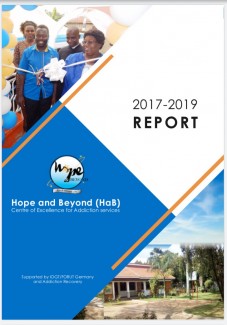
Hope and Beyond (HaB) Centre of Excellence for Addiction services REPORT 2017-2019
Since its formation in 2012, Hope and Beyond (HaB) has established herself as a pioneer organisation to combine treatment and research for Alcohol Use Disorders in Uganda.
The period between 2017 and 2019 was eventful and special for...
Study on the Impact of COVID-19 on Drug Use Situation and Services for People who Use Drugs in Central Asia
UNODC Mentor in collaboration with colleagues from Coordination and Analysis Unit of the UNODC Regional Office for Central Asia conducted a rapid assessment in four countries of Central Asia. The main goal of the brief research was to study...
Bi-Monthly Webinar: ISSUP Nigeria Knowledge Update Series
The first session of ISSUP Nigeria's Knowledge Update Series took place on Thursday 30th July 2020. It focused on experiences and challenges in delivering drug demand reduction interventions during the COVID-19 pandemic, capacity building on evidence-based substance abuse prevention and treatment interventions, and the way forward.
Listening and Strategic Discussion Series
Title
Emerging Issues Around COVID-19 and Social Determinants of Health for the Substance Use Prevention, Treatment and Recovery Workforces.
Background
The Addiction Technology Transfer Center (ATTC) Network, and the Prevention...
The Universal Treatment Curriculum (UTC) Advanced Series
The Advanced Level UTC series is a set of courses, which offers a specialised training provision that aims to provide an in-depth continuing education with the latest information and skills-based activities to further enhance the capacity...
Univerzální léčebné kurikulum (UTC) Série základní úrovně
Série základní úrovně UTC se skládá z osmi kurzů, které pokrývají široké spektrum léčby poruch spojených s užíváním návykových látek. Obsah a metodika série školení UTC jsou navrženy tak, aby zajistily, že odborníci na závislost rozvíjejí...
Universal Prevention Curriculum (UPC) Coordinators Series
The UPC Coordinators Series provides a 288-hour training programme for prevention coordinators, managers, and students/trainees whose role includes, or will include coordination and supervision of the implementation of prevention...