Hledat
 Populations
Distinct groups of people within a society who share certain characteristics such as age, gender, geographic location, socioeconomic status, cultural background, or exposure to particular risk factors that may influence patterns of substance use, vulnerability to substance use disorders, and access to services. In the context of substance use systems, identifying and understanding different populations helps guide the design of prevention, treatment, recovery, and policy responses that are appropriate, equitable, and responsive to specific needs. Examples may include youth, women, people experiencing homelessness, individuals in the criminal justice system, or communities affected by specific social or economic conditions.


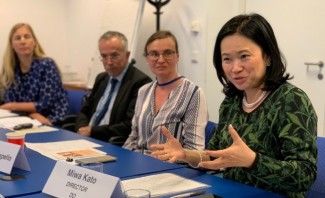
We are Family - Families and their Role in Prevention and Treatment of Drug Use, Crime and Violence, Including the Prevention of Recruitment into Violent Extremist Groups
The 28th Commission on Crime Prevention and Criminal Justice (CCPCJ) is being held from 20 - 24 May 2019. On Monday, 20 May 2019 UNODC's Prevention Treatment and Rehabilitation Section organized a side event on We are Family: Families and...
Effectiveness Bank Analysis: ‘No Effect’ from Targeting Child Drinking via the Parents
Findings of this comprehensive review seem to almost entirely deflate what in the mid-2000s was a bubble of enthusiasm for parental programmes as a way to prevent or reduce drinking among teenagers - but despite this overall verdict, some i...
Call for Evidence on Cannabis - Royal College of Psychiatrists
About the Review
The Royal College of Psychiatrists is undertaking a review to develop a College position on:
- cannabis use in the UK and how this relates to mental health, incorporating evidence on the biological, psychological and...
Infografika o tabáku
Tabák ohrožuje zdraví, ekonomiku a rozvoj.
Zjistěte více prostřednictvím následující infografiky:


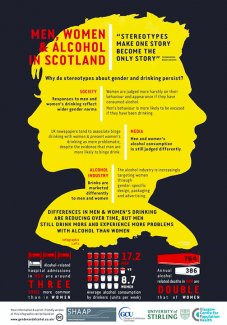
Infografika o pohlaví a alkoholu
Na základě nedávného výzkumu Glasgow Caledonian University, Strathclyde University, SHAAP a Glasgow Centre for Population Health vytvořily infografiku pro řešení stereotypů o mužích, ženách a pití ve Skotsku.
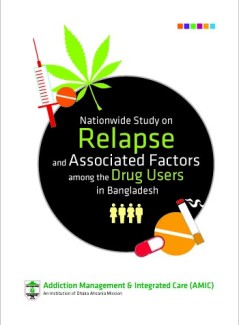
The Nationwide Study Report on Relapse and Associated Factors among Drug Users in Bangladesh
Geographical location and diverse cultural influence make Bangladesh vulnerable for substance use related problems. It is impairing public health, corrupting institutions, retarding socio-economic development, and in some cases, impacting...
Analýza banky efektivity: "Sada nástrojů" pro terapii pomáhá zachraňovat špatně se zotavující pacienty na londýnské klinice údržby
Namísto stanoveného programu se klinika v Londýně pokusila nabídnout pacientům , kterým byl předepsán metadon nebo buprenorfin, ale stále užívali heroin nebo kokain, výběr ze sady dobře podporovaných psychologických intervencí...
Not without my Mobile Phone: Alcohol Binge Drinking, Gender Violence and Technology in the Spanish Culture of Intoxication
Abstract
The practice of binge drinking has in recent decades consolidated what is known as the ‘culture of intoxication’ among young people of Spain. This has coincided with the increase in the use of mobile-phone technology and of social...
Participate in Adfam Survey: Caring as a Result of Somebody Else's Substance Use
The purpose of this survey is to paint a better picture of what it is like to support someone with drug or alcohol problems. A clearer understanding of the issue will help the charity and social sector to effectively support you.
You...
Gender Differences in the Bidirectional Relationship between Alcohol Consumption and Sleeplessness
Abstract
Background
The degree to which the relationship between alcohol use and sleeplessness is unidirectional or reciprocal is unclear due to great variation among the results of previous studies. The aim of the present study was to...
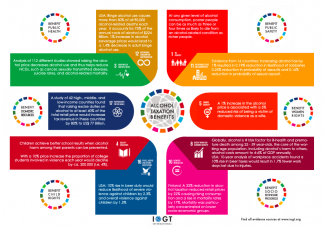
Infografika zdanění alkoholu
Zdanění alkoholu má obrovský potenciál pro globální zdraví, pro pomoc při dosahování cílů udržitelného rozvoje a také pro významný příspěvek k financování zdraví a rozvoje.
Tato infografika, navržená společností IOGT International...
Youth Perspective on Parental Approaches to Substance Use
Reducing the harms of youth substance use is a global priority. Parents have the potential to play a key role in these efforts. However, it is felt that parents are often unsure about how to address substance use with their children. Parent...

DSM-5 in Patients Seeking their First Treatment for Alcohol Use Disorder. Sex Differences in the Multicenter CohRTA Study
Abstract
Objective: We aimed to analyze sex differences in the DSM-5 criteria among patients admitted to their first treatment of alcohol use disorder (AUD). Methods: Assessment of AUD was carried out using DSM-5 diagnostic criteria in a...
Mindful Body Awareness Training as Part of Treatment for Substance Use Disorder
Mindful Awareness in Body-oriented Therapy (MABT) is designed to teach interoceptive awareness and related skills for self-care and emotion regulation.

Dobrovolní výzkumní pracovníci Wanted - Mentor UK
Mentor UK hledá dobrovolníky, kteří by pomohli udržovat aktuální znalosti o prevenci a vzdělávání v oblasti alkoholu a drog v komunitním, rodinném a školním prostředí.
Role bude zahrnovat výzkum rolí a psaní briefů, které přispějí k...
Basic Counseling Course for Addiction Professionals: UTC-4
A 5 day training course “Basic Counseling Skills for Addiction Professionals” was organized by Aga Khan Social Welfare Board in Collaboration with Drug Free Pakistan Foundation and ISSUP-Pakistan Chapter from April 6 & 7, 13 & 14, and 20...
A Qualitative Study of Drivers of Psychoactive Substance Use among Mekelle University Students, Northern Ethiopia
Abstract
Background
Psychoactive substance (PS) use is a public health concern among University students. Understanding the factors underlay the use helps to underpin effective preventive interventions. However, there is dearth of...
Better Prevention of Drug Use, Healthy and Safe Development of Children in Belarus
UNODC had the honour of facilitating a seminar for policy makers in Belarus at the request of the Ministry of Interior of the country. The event was organised with the support of the UN Resident Coordinator and the contribution of UNAIDS, UNFPA and UNICEF.
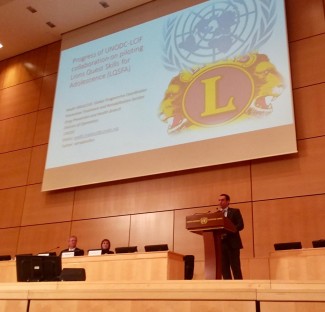
UNODC Partnership with Lions Club to Develop Personal and Social Skills of Adolescents
The UNODC/WHO Second Update Edition of the International Standards on Drug Use Prevention http://bit.ly/2D1Qua4 identifies evidence-based education on personal and social skills as one of the effective strategies to prevent drug use and...