
Hledat
 Mental Health
A person’s emotional, psychological, and social wellbeing, influencing how individuals think, feel, behave, and cope with life’s challenges. In the context of substance use disorders, mental health is closely interconnected with patterns of substance use, as mental health conditions can increase vulnerability to substance misuse and substance use can also affect mental wellbeing. Addressing mental health alongside substance use is therefore essential for effective prevention, treatment, and recovery, often requiring integrated, person-centred approaches that support overall wellbeing and functioning.


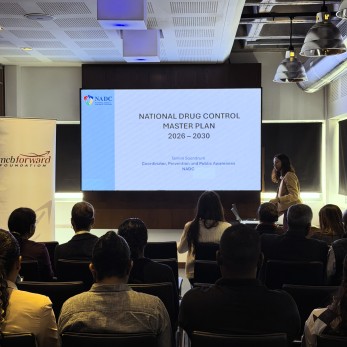
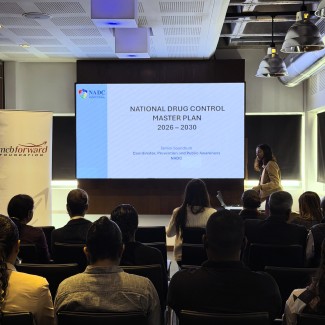
Synthetic cannabinoids: Reflections from Mauritius
During a recent engagement in Mauritius, I had the opportunity to hear the National Agency for Drug Control (NADC) present the National Drug Control Master Plan 2026–2030 and to share the suite of resources available through ISSUP. This...
The prevalence, risk and protective factors and service needs in relation to the comorbidity of substance use and neurodiversity
This report was commissioned by Citywide because Community Drugs Projects had recognised a need for support to develop better service delivery for people who were neurodivergent. Citywide Drugs Crisis Campaign is a national network of...
Substance Use and Health Competencies for All Prescribers
Developed by the Canadian Centre on Substance Use and Addiction (CCSA), the Workforce Competencies provide an evidence-informed framework outlining the knowledge, skills, values and behaviours needed by professionals working in substance...
Psychosocial determinants of recidivism risk among incarcerated individuals with a history of substance use: A systematic review
The prevalence of recidivism among individuals with a history of substance use and incarceration remains a significant concern for criminal justice systems worldwide. With significant social and economic ramifications, preventing people...

Child Criminal Exploitation and the Interactional Emergence of Victim Status
This article draws on observations and interviews with youth justice practitioners and young people involved in county lines drug dealing to explore the processes by which young people are identified as victims of child criminal...
Protecting Youth from Mexican Drug Cartel Recruitment: The Prospects of Educational Interventions
This investigation considers the impact of Mexico’s War on Drugs since 2006 and the influence of widespread cartel networks on the youth population. As both victims and perpetrators of drug-related crime, the young individuals of Mexico are...
Faith-Based Addiction Recovery
This article explores how faith-based recovery programs combine spiritual support with evidence-based addiction treatment to help people achieve and maintain recovery. These programs integrate religious beliefs and practices with services...

Problematic Pornography Use as a Predictor of Depressive and Apathetic Symptoms in Slovak Young Adults
INTRODUCTION: Problematic pornography use (PPU) has been increasingly recognized as a relevant factor in mental health research, mainly in relation to depression and apathy. Its association with apathy, reflecting diminished motivation and...
AddictologyIssue 1/2026
The Role of Family Background in Adolescent Risky Behavior Development
This study examines the role of family background in the development of adolescent risk behavior using a sample of 614 secondary school students (mean age = 16.8). The results show that the quality of the parent-child relationship is a...
AddictologyIssue 1/2026
The shame and stigma among people with comorbid hepatitis C virus and substance use disorder: a narrative review
The presence of dual diagnosis of Hepatitis C Virus (HCV) infection and substance use disorder (SUD) creates a significant medical and psychological burden, frequently intensifying feelings of Stigma and shame in an individual. Individuals...
AddictologyIssue 1/2026
Alcohol Use, Diabetes, and Mental Health: Risks, Intersections, and Care
ISSUP Bahamas presents its maiden webinar. This webinar will focus on the topic, "Alcohol Use, Diabetes, and Mental Health: Risks, Intersections, and Care."
A European Guide on Dual disorders: Health and Social Responses
This European guide by EUDA highlights the importance of addressing dual disorders, where mental health conditions and substance use disorders occur at the same time. These co-occurring conditions are common and often lead to poorer health...
Our stories matter: A guide for publicly sharing lived and living experience of suicide
Every quote in this resource suite has been provided by a person with lived and living experience. We have drawn on this broad collection of unique insights to develop guidance resources that can support others who may want to share their...

Are There Health Benefits to Going ‘California Sober’?
Some people are going California sober, meaning they are cutting back on or quitting alcohol or other addictive substances in favor of using marijuana. In theory, the lifestyle choice aims to replace more harmful substances with something...

Stimulant Use and Related Harms in Canada: Recent Trends
This report highlights a growing concern around stimulant use and related harms in Canada, particularly involving cocaine and methamphetamine. Data from multiple national sources show that stimulant-related deaths have significantly...
The Opioid Crisis Practical Toolkit: Supporting Faith and Community Responses
This practical toolkit highlights the role of faith-based and community leaders in responding to the opioid crisis in the United States. Developed by the U.S. Department of Health and Human Services, it recognizes that community and faith...
Faith-based intervention, change in religiosity, and abstinence among people with substance use disorders
This study examines how changes in religiosity influence recovery outcomes among people in addiction treatment. It finds that individuals in faith-based programs show higher and increasing levels of religiosity over time, which is linked to...
Playing legislative catch-up: Drug law reform in the Pacific
Drug trafficking in the Pacific is rapidly expanding, shifting countries from transit points to consumer and production markets. However, many national laws remain outdated, as they were designed for earlier challenges like cannabis and are...

Work and Well-Being: A Guide for Addiction Professionals
This guide highlights the critical importance of maintaining personal well-being in a field that is both highly rewarding and emotionally demanding. The guide explores common workplace stressors, such as high caseloads, complex client needs...
Everyday discrimination in individuals seeking treatment/receiving support for substance use and caregivers
Background:
Experiencing stigma/discrimination is common in individuals who use substances. However, those with caring responsibilities for individuals who use substances may also be stigmatised and discriminated against (known as...