Αναζήτηση
 Psychoactive Substances
Psychoactive substances are natural or synthetic substances that act on the central nervous system and alter mental processes such as mood, perception, cognition, consciousness, and behaviour. These substances may be legally prescribed medications (e.g., pain medications or sedatives), legally available substances such as alcohol or caffeine, or controlled or illicit drugs. Psychoactive substances can be used for medical, social, cultural, or recreational purposes, but some carry risks of misuse, dependence, and health or social harms when used in harmful ways.


Κατανάλωση ψυχοδραστικών ουσιών και διάσταση φύλου. Κατά την εβδομάδα της Διεθνούς Ημέρας Δράσης για την Υγεία των Γυναικών
Το ISSUP Argentina σας προσκαλεί να συμμετάσχετε σε ένα διαδικτυακό σεμινάριο που θα συζητήσει τη χρήση ψυχοδραστικών ουσιών και την προοπτική του φύλου - την εβδομάδα της Διεθνούς Ημέρας Δράσης για την Υγεία των Γυναικών.
Σειρά Webinar καπνού: Εθισμός καπνίσματος καπνών - από την πρόληψη στη θεραπεία
Η ISSUP θα ήθελε να παρουσιάσει την τελευταία συνεδρία της σειράς τριών διαδικτυακών σεμιναρίων με επίκεντρο τη χρήση καπνού. Το τρίτο Webinar θα φιλοξενηθεί από την ISSUP Pakistan και θα διερευνήσει το θέμα «Εθισμός στο κάπνισμα - Από την πρόληψη στη θεραπεία».
Σειρά Webinar καπνού: Νέες ηλεκτρονικές συσκευές καπνίσματος - Ποια είναι η διαφορά;
Η ISSUP θα ήθελε να παρουσιάσει τη δεύτερη συνεδρία της σειράς τριών τμημάτων Webinar με επίκεντρο τη χρήση καπνού. Αυτό το webinar θέτει την ερώτηση «Νέες ηλεκτρονικές συσκευές καπνίσματος - Ποια είναι η διαφορά;»
Σειρά διαδικτυακών σεμιναρίων καπνού: Χρήση καπνού - ευχαρίστηση ή βλάβη;
Η ISSUP είναι στην ευχάριστη θέση να παρουσιάσει το πρώτο από τα τρία διαδικτυακά σεμινάρια σχετικά με το θέμα της χρήσης καπνού. Αυτό το πρώτο Webinar διοργανώθηκε σε συνεργασία με την ISSUP Ινδίας και επικεντρώνεται στη «Χρήση καπνού - Ευχαρίστηση ή Βλάβη;»
Ανασκόπηση αποδεικτικών στοιχείων των υπηρεσιών θεραπείας φαρμάκων για άτομα που είναι άστεγοι και χρησιμοποιούν ναρκωτικά
Οι άστεγοι έχουν πολύπλοκες και δύσκολες ζωές. Τείνουν να έχουν χειρότερη σωματική και ψυχική υγεία από τον γενικό πληθυσμό. " χρήση ουσιών είναι πιο διαδεδομένη μεταξύ των ανθρώπων που είναι άστεγοι από ό, τι στον γενικό πληθυσμό, και η...
Εναλλακτικές λύσεις για τη φυλάκιση χρηστών ναρκωτικών
Η ISSUP India, σε συνεργασία με την ISSUP, διοργάνωσε ένα διαδικτυακό σεμινάριο για εναλλακτικές λύσεις αντί της φυλάκισης ατόμων με διαταραχές χρήσης ουσιών και ευκαιρίες για παρεμβάσεις κατά μήκος του δικαστικού συστήματος.
Αποδεικτικά στοιχεία και υλοποίηση οικογενειακών παρεμβάσεων στον τομέα του εθισμού
Ο Δρ Gallus Bischof παρουσίασε το δεύτερο διαδικτυακό σεμινάριο της AFINet με θέμα «Αποδεικτικά στοιχεία και εφαρμογή οικογενειακών παρεμβάσεων στον τομέα του εθισμού».
Ο Δρ Bischof περιέγραψε και ανέφερε τα αποτελέσματα μιας συστηματικής...
Προετοιμασία προγράμματος μελέτης εθισμού με βάση τα μαθησιακά αποτελέσματα
Οι παρουσιαστές Michal Miovsky και Anna Volfova συζητούν την εφαρμογή των μαθησιακών αποτελεσμάτων στο εκπαιδευτικό τους πρόγραμμα εθισμού στο Πανεπιστήμιο Charles στην Πράγα.
Διακοπή καπνίσματος για τη βελτίωση της ψυχικής υγείας- Cochrane Αναθεώρηση
Τα άτομα με προβλήματα ψυχικής υγείας είναι πιο πιθανό να καπνίζουν σε σύγκριση με τον γενικό πληθυσμό. Είναι επίσης πιο πιθανό να παρουσιάσουν σοβαρές αποσύρσεις και να ανταποκρίνονται λιγότερο στη θεραπεία. Πράγματι, μερικοί άνθρωποι...
Πρόγραμμα Καθηγητών Της Εταιρείας Μελέτης του Εθισμού (SSA)
Το πρόγραμμα «SSA Addictions Professorship» έχει ως στόχο να υποστηρίξει άτομα που είναι ήδη ανώτεροι ακαδημαϊκοί με εδραιωμένη εμπειρογνωμοσύνη και επιθυμούν να κινηθούν για να γίνουν μέρος της ακαδημαϊκής ανάπτυξης του Ηνωμένου Βασιλείου...
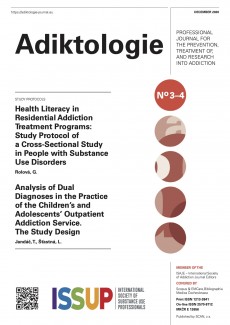
Adiktologie Περιοδικό Τεύχος 3-4
Το Adiktologie Journal είναι το επαγγελματικό περιοδικό για την έρευνα σχετικά με την πρόληψη και τη θεραπεία του εθισμού.
Παρακάτω μπορείτε να βρείτε άρθρα που συνθέτουν την έκδοση Δεκεμβρίου 2020.
Συντακτική
Μια εθνική τυχαιοποιημένη μελέτη των ΗΠΑ για να καθοδηγήσει τον καλύτερο τρόπο μείωσης του στιγμαίου κατά την περιγραφή της βλάβης που σχετίζεται με τα ναρκωτικά στην πράξη και την πολιτική
Η σχετιζόμενη με τα φάρμακα δυσλειτουργία στιγματίζεται επίμονα καθυστερώντας και αποτρέποντας τη συμμετοχή στη θεραπεία. Για τη μείωση του στίγματος, έχουν προωθηθεί διάφοροι ιατρικοί όροι (π.χ. «χρόνια υποτροπιάζουσα εγκεφαλική νόσος», «διαταραχή») στα διαγνωστικά συστήματα και μεταξύ των εθνικών οργανισμών υγείας, ωστόσο ορισμένοι υποστηρίζουν ότι η υπερ-ιατρική της σχετιζόμενης με τα φάρμακα δυσλειτουργίας μειώνει την προγνωστική αισιοδοξία και μειώνει την προσωπική υπηρεσία.
| διαδικτυακών σεμιναρίων Εθιστικές συμπεριφορές: Πρόληψη και θεραπεία κατά τη διάρκεια της πανδημίας COVID-19
Η ISSUP Lebanon είναι στην ευχάριστη θέση να παρουσιάσει το webinar της σχετικά με το θέμα της πρόληψης και της θεραπείας κατά τη διάρκεια της πανδημίας COVID-19.
Ο ρόλος της διατροφής στην αποκατάσταση του εθισμού
Γίνετε μέλος Khary Rigg, Ph.D., Αναπληρωτής Καθηγητής, Τμήμα Δικαίου και Πολιτικής Ψυχικής Υγείας, και Kelly Miller, NTMC, Διατροφικός Θεραπευτής και ιδιοκτήτης του Διατροφολόγου Εθισμού LLC για ένα διαδικτυακό σεμινάριο που διερευνά τη σύνδεση μεταξύ διαταραχής χρήσης ουσιών και διατροφής.
Ερωτευμένος με τη νευροεπιστήμη του εθισμού
Στη νέα μηνιαία σειρά συζήτησης του ISAM-NIG "In-Love with Addicted Brain", νευροεπιστήμονες εθισμού από όλο τον κόσμο μοιράζονται τις προσωπικές τους ιστορίες / εμπειρίες σχετικά με την ομορφιά της νευροεπιστήμης του εθισμού και πώς /...
Εξισορρόπηση της πρόσβασης στη θεραπεία υποκατάστασης οπιοειδών (OST) με την πρόληψη της εκτροπής φαρμάκων υποκατάστασης οπιοειδών στην Ευρώπη
Αυτή η έκθεση εξετάζει τον τρόπο με τον οποίο εφαρμόζεται η θεραπεία υποκατάστασης οπιοειδών (OST) στις ευρωπαϊκές χώρες και εξετάζει τις συνέπειες για τη δημόσια υγεία από την εκτροπή και την κατάχρηση συνταγογραφούμενων φαρμάκων OST.
Εξε...
Ανταποκρινόμενος στα ναρκωτικά και την έλλειψη στέγης. Καινοτόμες προσεγγίσεις στην Ευρώπη
Στόχος: Διερεύνηση καινοτόμων προγραμμάτων που παρέχουν λύσεις στον τομέα των αστέγων και των ναρκωτικών.
Ιστορικό: Η σχέση μεταξύ μακροχρόνιας έλλειψης στέγης, προβληματικής χρήσης ναρκωτικών και εξάρτησης από το αλκοόλ είναι καλά...
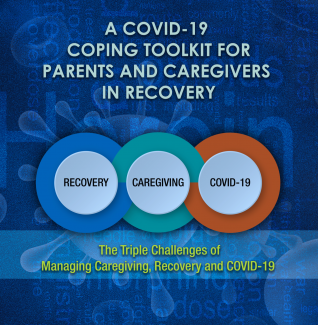
Μια εργαλειοθήκη αντιμετώπισης covid-19 για γονείς και φροντιστές στην ανάκαμψη
Αυτό το φυλλάδιο απευθύνεται σε ένα παγκόσμιο κοινό γονέων και φροντιστών που βρίσκονται σε όλα τα στάδια ανάκαμψης από διαταραχές χρήσης ουσιών κατά τη διάρκεια της πανδημίας COVID-19.
Το κύριο χαρακτηριστικό αυτού του φυλλαδίου...
Κατάσταση του Τομέα 2019: Στήριξη της οικογένειας ναρκωτικών και αλκοόλ
Αυτή η έκθεση μοιράζεται τα ευρήματα από την Έρευνα Οικογενειακής Υποστήριξης για την Κατάσταση του Τομέα της Adfam, η οποία το 2019 ρώτησε 117 επαγγελματίες και διευθυντές που εργάζονται σε υπηρεσίες οικογενειακής υποστήριξης στην Αγγλία...
Supporting Parents Affected by Child-parent Abuse (CPA) from Substance-using Children
Adfam has produced an online toolkit for practitioners working with parents who care for someone who uses drugs or alcohol and is also abusive toward them.
The toolkit contains resources for practitioners to work through with their clients...