

جستجو
 Psychoactive Substances
Psychoactive substances are natural or synthetic substances that act on the central nervous system and alter mental processes such as mood, perception, cognition, consciousness, and behaviour. These substances may be legally prescribed medications (e.g., pain medications or sedatives), legally available substances such as alcohol or caffeine, or controlled or illicit drugs. Psychoactive substances can be used for medical, social, cultural, or recreational purposes, but some carry risks of misuse, dependence, and health or social harms when used in harmful ways.
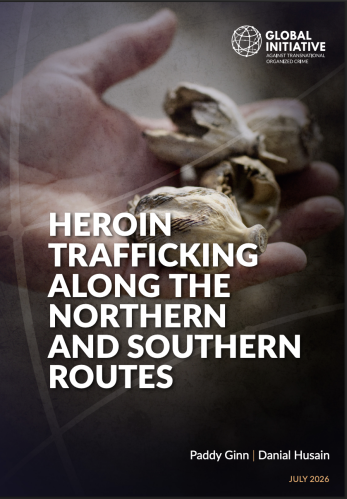

Recovery: The Many Paths to Wellness (Chapter 5 from Facing Addiction in America)
The Many Paths to Wellness: Explore Chapter 5 in "Facing Addiction in America: The Surgeon General's Report on Alcohol, Drugs, and Health," which defines the concept of recovery from substance use disorders and reviews methods used by...
Synthetic Opioids: Navigating a Changing Landscape in the Treatment of Opioid Use Disorder
This 35-minute module focuses on how primary care providers can navigate the changing landscape of opioid use disorder in relation to synthetic opioids.
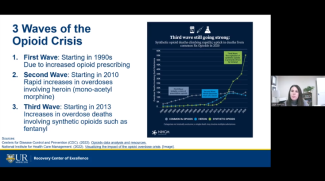
Alarming Statistics: Over One Million Young Drivers Imperil Lives with Marijuana and Alcohol Behind the Wheel
Driving under the influence (DUI) of psychoactive substances is an issue of paramount concern in both public health and the criminal justice system. It affects millions of Americans yearly, and while there is extensive research on DUI among...
Substance Use Disorders (SUD) and Type 2 Diabetes: Integration of Evidence-Based Diabetes Care to Promote Quality Health Outcomes
ISSUP, ICUDDR, and IntNSA invite you to their recently concluded collaborative webinar for World Diabetes Day 2023
Thailand: Moving from punishment to treatment of people who use drugs
People who use drugs in Thailand are receiving more help to reduce the harm caused by their habit thanks to a change in formerly punitive drug laws and support from the UN Office on Drugs and Crime.

Male Patient Drop-Out from Addiction Inpatient Treatment in the Czech Republic: A Study Protocol
BACKGROUND: The dropout rate from the treatment of patients with substance use disorders (SUD) negatively affects overall treatment outcomes. Little is known about the specific role of various psychiatric and psychosocial factors in the...
AddictologyIssue 2/2023
Sports Betting and Depression among Youths in the SouthSouth Region of Nigeria
BACKGROUND: It has been noted that those addicted to gambling are at a high risk of developing mental health problems such as depression.
AIMS: This study was designed to determine the effect of participating in sports betting on...
AddictologyIssue 2/2023
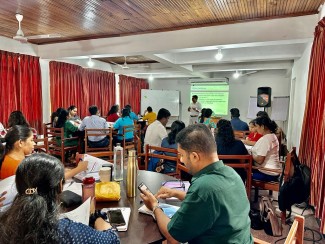
Training on UTC 03 - Sri Lanka
Psychoactive substance use and substance use disorders (SUDs) remains remain to be a major problem around the world. Which is negatively effect on global health and social and economic functioning. Though people who suffer from SUDs must...
The absence of data on driving under the influence of alcohol in road traffic studies: a scoping review of non-randomized studies with vote counting based on the direction of effects of alcohol policies
Background
Data concerning driving under the influence of alcohol (DUIA) are frequently characterised by their lack of availability, accuracy, or reliability. This inherent limitation poses challenges in the examination of the influence of...
Association between vmPFC gray matter volume and smoking initiation in adolescents
Abstract
Smoking of cigarettes among young adolescents is a pressing public health issue. However, the neural mechanisms underlying smoking initiation and sustenance during adolescence, especially the potential causal interactions between...
ارتباط های خوب به اشتراک گذاری جلسه سری دو قسمتی: زبان فراگیر، تصاویر، و داستان سرایی برای تیم های محقق اعتیاد و درد
بررسی اجمالی
این جلسه به اشتراک گذاری بخشی از یک سری دو قسمتی با تمرکز بر کمک به محققان اعتیاد به بهبود استفاده از زبان، تصاویر، و داستان سرایی در راه های محترمانه است که درگیر همه ذینفعان بود.
نمایش اسلایدهای جلسه
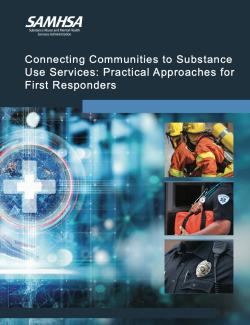
اتصال جوامع به خدمات مصرف مواد: رویکردهای عملی برای پاسخ دهندگان اول
آبستره
در طول کار روزانه خود، پاسخ دهندگان اول مانند ماموران اجرای قانون، آتش نشانان، و پرسنل خدمات پزشکی اضطراری (EMS) اغلب با افرادی مواجه می شوند که از مواد مخدر (PWUD)، از جمله الکل، مواد مخدر، محرک، و مواد دیگر استفاده می کنند. این...
Supporting displaced people from Afghanistan and host communities in neighbouring countries – UNODC regional workshop on drug use prevention, treatment and care
From 5th to 9th June, UNODC organized a hybrid regional workshop with a total of 42 participants from the government, civil society organizations (CSOs) and UN agencies, to assist the strengthening of evidence-based prevention, treatment...
توقف مصرف بیش از حد مواد مخدر با خیال راحت: سازمان ملل متحد با موفقیت سازمان های مدیریت بحران اوکراین را در مدیریت اضطراری مصرف بیش از حد مواد مخدر آموزش داد
از 6 تا 8 جون 2023 دفتر برنامه UNODC برای اوکراین (POUKR) و بخش پیشگیری، درمان و توانبخشی UNODC (PTRS)، به طور مشترک با سازمان های غیر دولتی اوکراین، "باشگاه Eney" و "Conviktus"، سازماندهی یک آموزش در فرد "توقف مصرف بیش از حد با خیال راحت...

درمان های طولانی مدت برای اختلالات مصرف مواد در جمعیت های حبس شده
سابقه مصرف مواد مضر و یا وابستگی در میان افراد در سیستم های عدالت کیفری (CJSs) در سراسر جهان شایع است. زمان پس از یک فرد را ترک کرده است CJS از خطر بالا برای کسانی که با استفاده از مواد مضر است - با میزان بالایی از درمان، مصرف بیش از حد...
Sex and gender differences in HCV risk and cascade of care among people who inject drugs
This seminar explored why it is important to study sex and gender differences in people who inject drugs, with reference to examples relevant to hepatitis C risk and the cascade of care. It included an overview of why we study sex and...
Pharmacological management of acute methamphetamine withdrawal
About the webinar:
This seminar provided an overview of Liam’s PhD studies, beginning with a systematic review and meta-analysis of previously researched pharmacological treatments for methamphetamine withdrawal.
It then proposed a novel...
تصاویر ننگ برای اختلالات مصرف مواد
ننگ مانعی برای درمان افراد مبتلا به مسائل مصرف مواد است. اگر چه تحقیقات انجام شده است به بررسی تاثیر زبان ننگ وجود دارد، کمتر در مورد اثرات تصاویر ننگ شناخته شده است.
این مطالعه به بررسی تصاویر ننگ و تاثیر این امر بر افراد با تجربه زندگی...

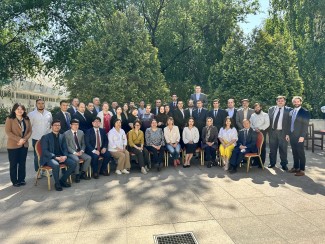
UNODC conducted Regional Training of Trainers on UTC 20 in Central Asia
The UNODC Regional Office for Central Asia in collaboration with Prevention, Treatment and Rehabilitation Section, UNODC HQ held a Regional Training of Trainers (ToT) on Course 20 – “Populations with Special Clinical Needs” which took place...