
تلاش
 Data
Data
Systematically collected information used to understand patterns of substance use, substance use disorders, treatment needs, and drug market dynamics. This may include epidemiological data, service utilisation records, treatment outcomes, law enforcement intelligence, and public health surveillance. Data helps identify emerging trends, assess the effectiveness of prevention and treatment programmes, monitor trafficking and market activity, and guide evidence-informed policy and decision-making. Reliable data systems are essential for improving responses to substance use and ensuring that interventions are targeted, effective, and responsive to population needs.
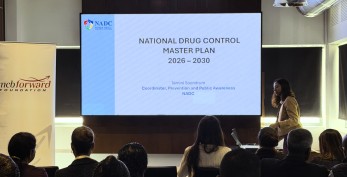

Plenary 4: Epidemiology and Its Role in Drug Demand Reduction
The Fourth Plenary Session of the 'Drug Demand Reduction in Africa: Prevention, Treatment and Epidemiology' Virtual Conference from 16th September to 10th November 2020.
Plenary 1: Setting the Scene for Drug Demand Reduction in Africa
The First Plenary Session of the 'Drug Demand Reduction in Africa: Prevention, Treatment and Epidemiology' Virtual Conference from 16th September to 10th November 2020.
The Prevalence and Context of Alcohol Use among Youth Living in Uganda
There is extensive research highlighting the negative short term and long term impact of alcohol use.
Although there is a vast amount of research investigating alcohol use among youth in high-income countries; there is a lack of research...

Tobacco Use among Older Adults in Egypt
Tobacco use is the primary risk factor common to the four main groups of non-communicable diseases— cardiovascular disease, cancer, chronic lung disease and diabetes (NCD Alliance).
Figures gathered from the Egypt Global Adult Tobacco...

What Influences Pre-teens to Drink Alcohol?
Research has shown there to be a link between heavy drinking in youth and increased risky behaviour and reduced educational effectiveness.
In order to understand the factors that are associated with binge drinking in adolescence and young...
Webinaire pour la société civile sur le Rapport Mondial sur Les drogues 2020
Le Comité des ONG de Vienne sur les drogues (VNGOC) et l'équipe de la société civile de l'ONUDC ont organisé une série de webinaires pour présenter et discuter du Rapport mondial sur les drogues 2020. La série comprend des webinaires en...
National Drug Strategy Household Survey 2019
Summary
Tobacco, alcohol and illicit drug use can place a heavy burden on individuals, families and society. The health,
social and economic effects are diverse and substantial, and include disease and injury, mental health
conditions...
Call for Speakers: Webinars on the World Drug Report 2020
The VNGOC together with the UNODC Civil Society Team will be holding a series of webinars to present and discuss the World Drug Report 2020, which was launched on 26th June.
We are looking for civil society speakers wishing to present at...
Alcohol consumption during the COVID-19 period: May 2020
The aim of this paper is to analyse changes in alcohol consumption since the spread of the COVID-19 pandemic.
We show that the frequency of alcohol consumption during COVID-19 is slightly higher for males than it was 2-3 years previously...
The Role of Alcohol use and Drinking Patterns in Socioeconomic Inequalities in Mortality
Socioeconomic status (SES) can be thought of as a measure of an individual's or family's social position relative to others that measures factors such as education, income, type of occupation and place of residence.
Research indicates that...

Alcohol Use in Times of the COVID-19 Virus
During this global lockdown, most people have had to make major lifestyle changes in order to adhere to guidelines outlined by their respective governments.
The situation has forced people's behaviour and choices to change, and it is...

منشیات کا انجکشن لگانے والے افراد کے ایک گروہ میں اوپیوئڈ اوورڈوز کے واقعات کی تلاش
یہ سیمینار منشیات استعمال کرنے والے افراد کے آسٹریلیا کے سب سے بڑے اور واحد فعال گروپ مطالعہ میں اوپیوئڈ اوورڈوز پر دستیاب معلومات کی رینج کا ابتدائی جائزہ فراہم کرتا ہے۔
برنیٹ انسٹی ٹیوٹ سے تعلق رکھنے والی پینی ہل ایمبولینس کی حاضری،...
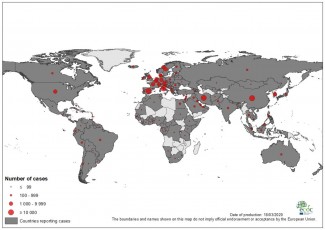
کووڈ 19: بیماریوں کی روک تھام اور کنٹرول کے یورپی مرکز کی ویب سائٹ
کوویڈ 19 وبائی مرض تیزی سے ترقی کر رہا ہے ، اور اس کے پھیلنے کی تحقیقات جاری ہیں۔ یوروپی سینٹر فار ڈیزیز پریوینشن اینڈ کنٹرول (ای سی ڈی سی) اس وبا کی قریب سے نگرانی کر رہا ہے ، خطرے کا اندازہ ، عوامی صحت کی رہنمائی ، اور یورپی یونین کے رکن...
CfA: Civil Society Participation in INCB Thematic Hearing on "The Use of Drugs Among Older Persons"
The International Narcotics Control Board (INCB) will host the third civil society hearing for the INCB board members on the margins of this years INCB board meeting. The hearing will be on the topic of "The Use of Drugs Among Older Persons...
Updates and Resources on Novel Coronavirus (COVID-19)
Since the COVID-19 outbreak began, the American Hospital Association has worked closely with the CDC, and other federal, state and local partners to respond to this challenge and to make sure hospitals and health systems have the most up-to...

Coronavirus COVID-19 Information Summary
The US Centers for Disease Control and Prevention (CDC) offers this situational summary and latest updates page for Coronavirus COVID-19.
The page includes information regarding:
- How coronvirus is spread
- Symptoms
- Prevention and...
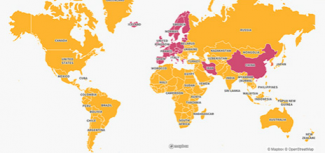
Coronavirus COVID-19 Global Cases Public Dashboard
Johns Hopkins University Center for Systems Science and Engineering (CSSE) offers this public dashboard of worldwide confirmed cases, recoveries and deaths aggregating WHO, CDC, ECDC, NHC and DXY data in real time.
This source is unique...
First Alcohol Treatment Institutions in Today's Czech Republic and Slovak Republic
Abstract
Objective:
Drawing on qualitative analysis of selected historical documents, the paper seeks to provide a definition of the general characteristics of the first institutional alcohol treatment facilities in today's Czech Republic...
Wastewater Analysis and Drugs - A European Multi-City Study
EMCDDA has published the latest results of European multi-city wastewater analysis and drugs study.