
Tìm kiếm
Treatment Settings
Various treatment formats, either in a live-in facility or through regular visits to a clinic, are designed for ongoing support, to help maintain recovery, and to prevent relapse.


UTC 1 and 2 Training for Tanzania National Trainers SUD Professionals
ICCE conducted its first training in Dar es Salaam, Tanzania from 22nd February to 3rd of March 2016 at Kunduchi Beach Hotel. The 9-day training was planned to introduce the 15 participants from various professional sectors to the science...

U.S. National Report Shows Less Underage Drinking and Smoking, but Overall Substance Use and Mental Illness Levels Remain Constant
Some forms of substance use, such as adolescent (aged 12 to 17) underage drinking and alcohol use among young adults (aged 18 to 25), continued to drop according to the Substance Abuse and Mental Health Services Administration’s (SAMHSA)...

The Internet and Alcoholism
The prevalence of binge drinking is highest amongst 18- to 24-year-olds. In the United States around 1,800 college students die from unintentional alcohol-related injuries each year. Given the growth of the Internet in the last twenty years...
Shoot Hoops, Not Drugs: Sport as a Healthy Alternative
 Eighty percent of 3- to 17-year-olds play some form of sport. Practitioners in the field of drug prevention have looked to promote sporting activity as a healthy alternative to substance use amongst young people. The Canadian Centre on...
Alcohol Abuse, Adulthood and ADHD
Attention deficit hyperactivity disorder (ADHD) is one of the world’s most common developmental conditions. A recent collaborative study conducted in the United States and subsequently published in the journal Addiction shows that greater...
Students' Mental Health Disorders Linked to Higher Rates of Drug Use
A new study offers a glimpse into the link between mental health disorders and drug use among secondary school students in Brazil. Researchers at Columbia University and the Federal University of São Paulo found that students with symptoms...
Addiction as a Brain Disease
Even though scientific advances over the past decades have supported the concept of addiction as a brain disease, skepticism remains. Recent research has aimed to reinforce the link between addiction and brain functions and broaden the...
White House Eases Cap on Medication for Opioid Addiction
In the USA, Frontline report on changes in policy to allow doctors to issue more prescriptions for buprenorphine; new rules aimed at improving drug monitoring by federal prescribers treating Native Americans and military veterans
UNODC World Drug Report 2016
Around five per cent of the adult population, or nearly 250 million people between the ages of 15 and 64, used at least one drug in 2014, according to the latest World Drug Report released today by the United Nations Office on Drugs and...

International Standards for the Treatment of Drug Use Disorders: Draft for field testing
The International Standards for the Treatment of Drug Use Disorders (Standards) were prepared by UNODC and WHO to support Member States in the development and expansion of treatment services that offer effective and ethical treatment. The...
Pioneering methadone programme gives hope to thousands in Dar es Salaam
In a discreet corner of the Mwananyamala District Hospital grounds, in Dar es Salaam, a group of young people queue up outside a small window to get their daily fix of methadone.
Prescription Drug Monitoring Programs Linked to Reductions in Opioid Overdose Deaths
Implementation of prescription drug monitoring programs was associated with a reduction in opioid-related overdose deaths
EMCDDA Publishes Its First Report on Health Responses to New Psychoactive Substances
Over the last decade, there has been an unprecedented rise in the number of new drugs appearing on the global market
Long-term follow-up of patients treated with buprenorphine/naloxone
In the first long-term follow-up of patients treated with buprenorphine/naloxone (Bp/Nx) for addiction to opioid pain relievers, half reported that they were abstinent from the drugs 18 months after starting the therapy. After 3.5 years...
Registration open for fifth European drugs summer school
Illicit drugs in Europe: demand, supply and public policies
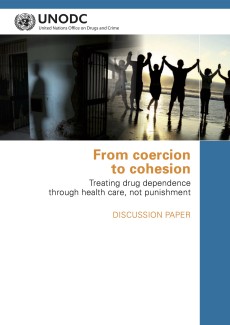
From Coercion to Cohesion: Treating Drug Dependence through Health Care, Not Punishment
The aim of this draft discussion paper, “From coercion to cohesion: Treating drug dependence through health care, not punishment”, is to promote a health-oriented approach to drug dependence. The International Drug Control Conventions give...