

Hledat
 Treatment
The range of medical, psychological, and social services designed to help individuals reduce or stop substance use and manage substance use disorders. Treatment may include assessment, counselling and behavioural therapies, medication-assisted treatment, withdrawal management, and support for co-occurring mental or physical health conditions. Effective treatment is typically person-centred and evidence-informed, and may be provided in outpatient, community, or residential settings. Treatment aims to improve health and functioning, reduce substance-related harms, and support individuals in moving toward recovery and long-term wellbeing.


Treatment Combinations: The Joint Effects of Multiple Evidence-Based Interventions on Recidivism Reduction
ABSTRACT
Evidence-based interventions have been implemented within penal institutions to reduce the propensity of postrelease reoffending across states. Traditional program evaluations explore these interventions and demonstrate treatment...
Treatment completion among justice-involved youth engaged in behavioral health treatment studies in the United States: A systematic review and meta-analysis
Abstract
Justice-involved youth (JIY) have high rates of behavioral health disorders, but few can access, much less complete, treatment in the community. Behavioral health treatment completion among JIY is poorly understood, even within...
Prevalence, comorbidity, and continuity of psychiatric disorders in a 15-year longitudinal study of youths involved in the juvenile justice system.
Abstract
Importance Previous studies have found that one-half to three-quarters of youths detained in juvenile justice facilities have 1 or more psychiatric disorders. Little is known about the course of their disorders as they age.
Obje...
Key substance use and mental health indicators in the United States: Results from the 2022 National Survey on Drug Use and Health
The Substance Abuse and Mental Health Services Administration (SAMHSA) presents Key Substance Use and Mental Health Indicators in the United States: Results from the 2022 National Survey on Drug Use and Health. The National Survey on Drug...
Lifetime prevalence of mental disorders in US adolescents: results from the National Comorbidity Survey Replication–Adolescent Supplement (NCS-A).
Abstract
Objective: To present estimates of the lifetime prevalence of DSM-IV mental disorders with and without severe impairment, their comorbidity across broad classes of disorder, and their sociodemographic correlates.
Method: The...
Alcohol and drug use and treatment reported by Prisoners: Survey of Prison inmates
Among all state and federal prisoners (1,421,700), nearly 4 in 10 (38%) reported using drugs and 3 in 10 (30%) reported drinking alcohol at the time of the offense for which they were serving a sentence (figure 1, table 1). Statistics in...
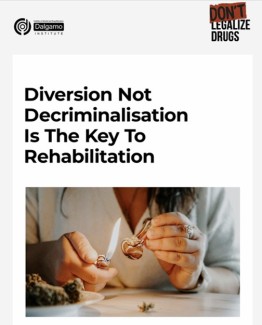
Diversion Not Decriminalisation - Is The Key To Rehabilitation
Abstract
The evolving crisis of drug addiction and its intersection with the criminal justice system has prompted critical reassessment of punitive legal models. This paper argues that meaningful rehabilitation is best achieved through...
Use of the Sequential Intercept Model as an Approach to Decriminalization of People With Serious Mental Illness
The Sequential Intercept Model provides a conceptual framework for communities to use when considering the interface between the criminal justice and mental health systems as they address concerns about criminalization of people with mental...
The effects of specialized probation and recovery management checkups (RMCs) on treatment participation, substance use, HIV risk behaviors, and recidivism among female offenders
ABSTRACT
Objectives
To examine the effects of specialized probation and recovery management checkups (RMCs) on participation in substance use treatment, substance use, HIV risk behaviors, and recidivism.
Methods
Women (n = 480) released...
The effectiveness of diversion programmes for offenders using Class A drugs: a systematic review and meta-analysis
ABSTRACT
Aims: To review existing evidence on effectiveness of community-based diversion programmes for Class A drug-using offenders.
Methods: 31 databases were searched for studies published 1985–2012 (update search 2012–2016) involving...
Drug court utilization of medications for opioid use disorder in high opioid mortality communities
ABSTRACT
Introduction
A 2012 national survey found low utilization of medication for opioid use disorder (MOUD) in US drug courts. This study provides an update on MOUD policies and practices among drug courts in communities that the...
Reporting of substance use treatment quality in United States adult drug courts
ABSTRACT
Background
Adult drug courts are growing in popularity within the Unites States, but the quality of substance use treatment within drug court programs and the impact of drug courts on health and substance use treatment outcomes...
The effect of drug treatment court on recidivism: a comparison with traditional court intervention
ABSTRACT
Drug treatment courts have transformed the way in which courts process drug-related cases and respond to drug-involved offenders. Established as a diversion program, drug courts help to reduce recidivism among substance-involved...
A systematic review and meta-analysis of the effects of judicial supervision on recidivism and well-being factors of criminal offenders
ABSTRACT
This systematic review and meta-analysis investigated whether problem-solving court interventions that employed judicial supervision were more effective in reducing recidivism and improving well-being outcomes for offenders...
Assessing the Effectiveness of Mental Health Courts in Reducing Recidivism: A Systematic Review with Meta-analysis
ABSTRACT
Mental Health Courts (MHCs) are a type of treatment court created to divert offenders with mental illness away from incarceration and into community-based treatment. While research on the impact of MHCs on recidivism has produced...
Assessing the Effect of Mental Health Courts on Adult and Juvenile Recidivism: A Meta-Analysis
ABSTRACT
Mental health courts (MHCs) are increasingly used across the United States as a means of reducing contact with the criminal justice system for individuals experiencing serious mental health conditions. MHCs rely on diversion from...
Recidivism following mental health court exit: Between and within-group comparisons.
ABSTRACT
Over the past decade, Mental Health Courts (MHCs) have spread rapidly across the U.S. These courts aim to reduce recidivism among adults with mental illnesses through diversion into community-based treatment. Extant research...
Diversion Programs for Individuals Who Use Substances: A Review of the Literature
ABSTRACT
Diversion programs connect individuals to treatment instead of criminal sanctions and are used more frequently to address substance use. This systematic scoping review included 31 published empirical studies to examine evaluations...
Lifetime Benefits and Costs of Diverting Substance-Abusing Offenders From State Prison
ABSTRACT
Prisons hold a disproportionate number of society’s drug abusers. Approximately 50% of state prisoners meet the criteria for a diagnosis of drug abuse or dependence; however, only 10% of prisoners receive drug treatment. Diverting...
A systematic review and meta-analysis on the effects of European drug treatment programmes on reoffending
ABSTRACT
This article presents the results of a systematic review and meta-analysis on the effects of treatment programmes for drug abusing offenders in Europe, using stringent eligibility criteria to control for threats to internal...