

Hledat
 Psychoactive Substances
Psychoactive substances are natural or synthetic substances that act on the central nervous system and alter mental processes such as mood, perception, cognition, consciousness, and behaviour. These substances may be legally prescribed medications (e.g., pain medications or sedatives), legally available substances such as alcohol or caffeine, or controlled or illicit drugs. Psychoactive substances can be used for medical, social, cultural, or recreational purposes, but some carry risks of misuse, dependence, and health or social harms when used in harmful ways.
Nonmedical Use of Stimulants Is Associated With Riskier Sexual Practices and Other Forms of Impulsivity
Abstract:
Background:
This study sought to examine the occurrence of the nonmedical use of prescription stimulants (amphetamines and methylphenidate) in a university sample and their associated physical and mental health correlates...
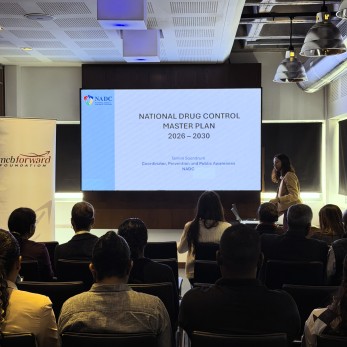
Přípravný workshop o univerzálním preventivním kurikulu (UPC) v Islámábádu, Pákistán
Ministerstvo pro kontrolu narkotik (MNC) – vláda Pákistánu ve spolupráci s Úřadem OSN pro drogy a kriminalitu (UNODC) uspořádalo přípravný seminář o univerzálním vzdělávacím programu prevence (UPC) o psychoaktivních poruchách a poruchách...

E-Cigarette Initiation and Associated Changes in Smoking Cessation and Reduction
Daily e-cigarette initiators were more likely to have quit smoking cigarettes or reduced use compared with non-users.
Effectiveness Bank Analysis: Good Personal Relationships Strongly Linked to Good Therapy Outcomes
Findings amalgamated for the American Psychological Association indicate that patient progress is strongly related to the strength of the personal (‘real’) relationship between client and therapist - more strongly than the working...
Effectiveness Bank Analysis: Strong Therapeutic Relationships Help Clients Get Where They Want to Be
Comprehensive review for the American Psychological Association concludes that the working relationship between clients and their counsellors or therapists is one of the largest and most consistent determinants of outcomes. Practice...
Effectiveness Bank Analysis: Evidence That Affirming the Client Promotes Recovery
Findings amalgamated for the American Psychological Association show that across psychotherapy studies, outcomes improve the more therapists consistently demonstrate warmth and high regard for their clients - given the stigma and low regard...
A ESPIRITUALIDADE/RELIGIOSIDADE COMO FATOR DE PROTEÇÃO CONTRA O USO DE SUBSTÂNCIAS PSICOATIVAS NA ADOLESCÊNCIA

Artigo de revisão publicada na Revista debates em Psiquiatria - Jul/Ago 2017
Abstract
Objective: To analyze the impact of spirituality and/or religiousness on the use of psychoactive substances in the adolescent population in both...
“It’s on Everyone’s Plate”: A Qualitative Study into Physicians’ Perceptions of Responsibility for Smoking Cessation
Abstract
Background
Little research has investigated in-depth how physicians perceive their role in smoking cessation care. This qualitative study sought to understand physicians’ perceptions of responsibility for smoking cessation.
Meth
...Effectiveness Bank Analysis: Resolving Therapist-Client Tensions May Promote Recovery
Amalgamated research findings raise the intriguing possibility that experiencing the resolution of breakdowns or tensions (‘ruptures’) in the therapist-client relationship promotes client welfare even more than rupture-free relationships...
Roll-Your-Own Cigareta Užívání a odvykání kouření chování: Průřezová populační studie v Anglii
Abstraktní
Cíle: Cigarety RYO (Roll-your-own) se staly populárními ve Velké Británii a snižují náklady na kouření, což potenciálně zmírňuje dopad zvýšení daní na odvykání. Zkoumali jsme, zda užívání cigaret RYO bylo spojeno se sníženou...
Rights, Respect and Recovery: Scotland's Alcohol and Drug Treatment Strategy
The Scottish Government has released the new Alcohol and Drugs Strategy, which aims to improve health by preventing and reducing alcohol and drug use, harm and related deaths. There were a record 934 drugs-related deaths in Scotland in 2017...
Models of Addiction
The science of addiction is complicated, and it continues to be a field where the debate over definitions, models, theories, and the most appropriate ways to respond continues.
EMCDDA's Insight Review provides a critical analysis of the...
Why Do Those With Long-Term Substance Use Disorders Stop Abusing Substances?
Many people successfully recover from substance use disorders. Understanding the factors that contribute towards people deciding to stop using substances can help guide treatment and design interventions.
A recent study has explored the...
A ESPIRITUALIDADE/RELIGIOSIDADE COMO FATOR DE PROTEÇÃO CONTRA O USO DE SUBSTÂNCIAS PSICOATIVAS NA ADOLESCÊNCIA
 Artigo de revisão publicada na Revista debates em Psiquiatria - Jul/Ago 2017
Introdução
Muitos estudos focam em fatores de risco para o uso, abuso ou dependência de substâncias psicoativas, porém poucos se concentram em fatores que podem...
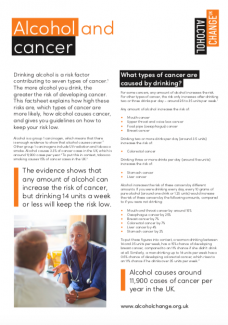
Informativní přehled: Alkohol a rakovina
Pití alkoholu je rizikovým faktorem přispívajícím k sedmi typům rakoviny.
Čím více alkoholu pijete, tím větší je riziko vzniku rakoviny.
Tento informační list, vyvinutý společností Alcohol Change UK, vysvětluje, jak vysoká jsou tato...
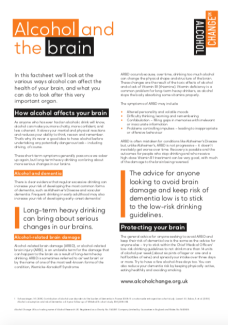
Fakta a čísla: Alkohol a mozek
Společnost Alcohol Change UK vydala informační list , který zdůrazňuje různé způsoby, jak může alkohol ovlivnit zdraví vašeho mozku, stejně jako změny, které můžete provést, abyste se postarali o tento životně důležitý orgán.
Coping Strategies and Support for Families in Goa, India
Alcohol addiction can put a significant strain on family relationships and well-being. There has been a substantial rise in alcohol consumption and alcohol use disorder in India. However, it is rare that the perspectives of family members...
The Alcohol Change Report
Alcohol Change UK have released their latest report, which highlights the state of alcohol use in the UK and recommends changes that will reduce harm and promote a healthier society.
The report gives a clear overview of the cost and...
The Relationships Between Stimulant Use and Gambling Among Adolescents
Adolescence is a period of time where young people are more likely to seek independence and novel experiences, experiment with their expression and identity and have less regard for risk. Given the natural surge in sensation-seeking...
Relapse: The Role of Self-Regulation and Feelings of Disconnection
Highlights
- The study examines the views of patients with alcohol use disorder on relapse.
- Relapse was associated with the use of alcohol as a means of self-regulation combined with the sense of being disconnected from other people.
Th...