
Hledat
 Populations
Distinct groups of people within a society who share certain characteristics such as age, gender, geographic location, socioeconomic status, cultural background, or exposure to particular risk factors that may influence patterns of substance use, vulnerability to substance use disorders, and access to services. In the context of substance use systems, identifying and understanding different populations helps guide the design of prevention, treatment, recovery, and policy responses that are appropriate, equitable, and responsive to specific needs. Examples may include youth, women, people experiencing homelessness, individuals in the criminal justice system, or communities affected by specific social or economic conditions.


Suicide is not the solution
SUICIDE IS NOT THE SOLUTION
There are moments when numbers stop being informative and start being evasive.
They give us scale, but they shield us from closeness.
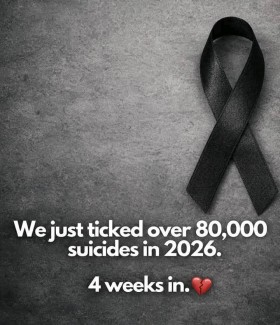
More than 80,000 people have died by suicide worldwide and 2026 isn’t even a...
The rising burden of drug use disorders in the Americas, 2000–2021
ABSRACT
Objectives
Drug use disorders – preventable and treatable conditions – are a challenging and growing public health threat in the Region of the Americas. This study aims to provide a comprehensive analysis of the levels and trends...
Freedom Recovery Symposium 2026
FREEDOM RECOVERY SYMPOSIUM, 2026
Recovery Is Possible: Freedom Recovery Symposium, 2026, Gujranwala Pakistan
Recovery is possible. A Freedom Recovery Symposium, 2026 was successfully held at Freedom Rehab Gujranwala, in collaboration with...

Effectiveness of an mHealth Intervention to Help Parents Prevent Early-Onset Alcohol Involvement: Findings from a Pilot of a Randomized Waitlist Control Trial
A quarter of 11-year-old children in the USA have tried alcohol, typically provided by parents. Parents are the primary source of alcohol socialization for preteens, yet many are unaware of their influence and lack tools to discourage early...
The Promotion of Alcohol, Cannabis, Gambling, Tobacco and Vaping Products: A Comparative Analysis of the Potential of Legal Frameworks to Limit Exposure Among Minors
Promotions deemed attractive to minors concerning alcohol, cannabis, gambling, tobacco and vaping are circulating in media outlets and places where minors are very active. This report examines the different legal frameworks in Canada that...
Prevention Unpacked with Dr. Zili Sloboda: Science, Translation & the Evolution of Prevention Pt.2
In this episode of Prevention Unpacked with Dr. Zili Sloboda, the conversation turns to how prevention science actually became a field.
Public perceptions of heroin use: the influence of smoking, marital, and employment status on stigma toward people who use substances
This study explored public stigma toward people who use heroin in Jordan, where cultural and religious beliefs often frame substance use as a moral failing. A nationwide online survey of over 900 adults found high levels of stigma...
Scientists discover why mental disorders so often overlap
A massive global genetics study is reshaping how we understand mental illness—and why diagnoses so often pile up. By analyzing genetic data from more than six million people, researchers uncovered deep genetic connections across 14...

Why Philanthropy Must Back Systemic Approaches to Youth Mental Health
Youth mental health is a growing global crisis, with most mental health conditions beginning before the age of 25. Young people today face increasing stress from poverty, academic and social pressure, bullying (including online), climate...

The multidimensional social ecological needs and service utilization patterns of youth using non-medical prescription opioids: an observational study of routinely collected data in a provincial integrated youth services initiative
This study examined how non-medical prescription opioid use (NMPOU) among youth aged 12–24 is linked to their health, social needs, and use of services within an integrated youth services network in British Columbia, Canada. Data from over...

Navigating opioid use disorder treatment for pregnant and parenting people: composite narratives for policy action
Opioid use during pregnancy and the postpartum period is increasing in the United States, yet many pregnant and parenting people face serious barriers to accessing effective treatment and supportive services. These barriers arise from...
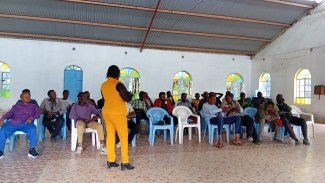
Faith Based Community Based Centers
Dr Joe Muriuki was the First Kenya to go public about his HIV Status back in 1989. At the time HIV/AIDS was a scare for nations and those who were diagnosed with the infection were stigmatized and isolated by family, Place of work and the...
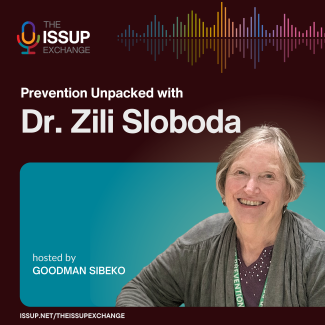
Prevention Unpacked with Dr. Zili Sloboda: The Journey and Vision Pt.1
In this first episode of Prevention Unpacked, Associate Professor Goodman Sibeko speaks with Dr. Zili Sloboda about the early experiences that shaped her life and career. The conversation traces her childhood in New York, her exposure to...
My personal conviction of how ISSUP is helpful.
How ISSUP Has Impacted My Life and Community Practice
By Peter Chege (Mr. Talent), ISSUP Professional Member – ISSUP Kenya
ISSUP has played a significant and transformative role in my personal growth and professional practice...

Beyond Treatment: Building Recovery-Oriented Systems of Care in Pakistan
ISSUP in Pakistan presents Beyond Treatment: Building Recovery-Oriented Systems of Care in Pakistan, a webinar with Ms Asia Ashraf.
GAMBLING AND BETTING IN AFRICA
*GAMBLING & BETTING IN AFRICA*
By Peter Chege Kariuki | Mr. Talent.
_Understanding the Web, the Wound, and the_ _Way Out._
A Practical, Lived-Experience Perspective by Mr. Talent.
*Gambling & Betting in the African Reality* (...
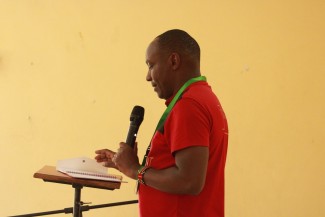
Sports - A tool for social change:An initiative by Eli Community Development Association in Busiika Town council Luweero District
The Namumira Kids League, a youth football initiative spearheaded by Eli Community Development Association (ECODA), has become a powerful catalyst for positive change among adolescents aged 14–16 years in Busiika Town Council. By combining...

Recent Pattern of Substance Use Among Patients with Substance Use Disorders in a Rehabilitation and Treatment Centre for Addiction in Dubai
BACKGROUND:
Substance use disorders (SUDs) are a major contributor to global disease burden, premature mortality, and social disruption. While international data demonstrate shifting trends in polysubstance use, evidence from the United...
Can Intersectoral Interventions Reduce Substance Use in Adolescence? Evidence From a Multicentre Randomized Controlled Study
This multicentre randomised controlled study evaluated a 3-year intersectoral intervention designed to reduce alcohol, tobacco, and cannabis use among adolescents in a tri-border region of Brazil, Argentina, and Paraguay. The intervention...
Healthy Holiday Choices: Substance Prevention for Youth
ISSUP Tanzania presents its webinar titled 'Healthy Holiday Choices: Substance Prevention for Youth'.