Hledat
Treatment Settings
Various treatment formats, either in a live-in facility or through regular visits to a clinic, are designed for ongoing support, to help maintain recovery, and to prevent relapse.

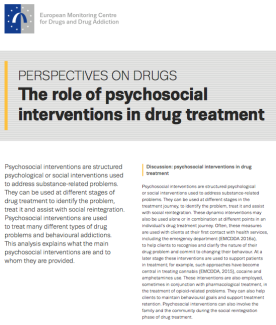
Co je třeba vědět o psychosociálních intervencích v léčbě drogové závislosti?
Psychosociální intervence jsou psychologické nebo sociální intervence používané k řešení problémů souvisejících se zneužíváním návykových látek a závislostí na chování. Mohou být použity k identifikaci a léčbě problémů, jakož i k pomoci s...
Můžeme "vypnout" svou potřebu pít alkohol?
Nový výzkum vědců ze Scrippsova výzkumného institutu (TSRI) může vést k vývoji personalizované léčby závislosti na alkoholu. Studie hodnotila, jak se liší reakce lidí v mozku na různé terapeutické postupy. Výsledky budou publikovány v časop...
Kokain vyvolává autofágní cytotoxicitu prostřednictvím signalizační kaskády oxidu dusnatého a GAPDH
Abstraktní
Kokain uplatňuje své behaviorální stimulační účinky tím, že usnadňuje synaptické působení neurotransmiterů, jako je dopamin a serotonin. Je také neurotoxický a široce cytotoxický, což vede k úmrtím na předávkování. Ukazujeme, že...
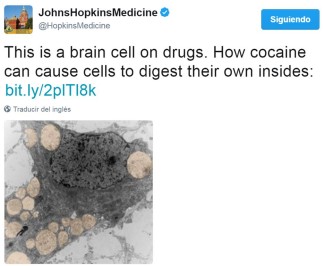
New Evidence in Mice That Cocaine Makes Brain Cells Cannibalize Themselves
Working with mice, researchers at Johns Hopkins have contributed significant new evidence to support the idea that high doses of cocaine kill brain cells by triggering overactive autophagy, a process in which cells literally digest their...
ISSUP Mexico 2017
At the beginning of April ISSUP’s Deputy Executive Director, Joanna Travis-Roberts, headed to Cancún, Mexico to plan for this year’s Annual ISSUP Workshop.

Standardy a osvědčené postupy léčby EMCDDA
Zjistěte, co funguje (a co nefunguje) v oblasti protidrogové prevence, léčby a sociální reintegrace.
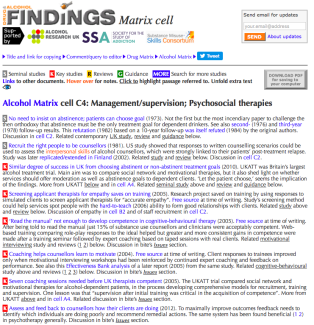
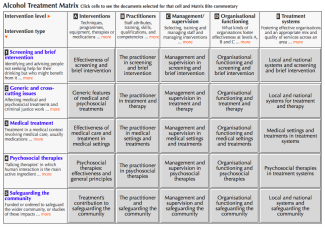
Effectiveness Bank Matrix Bite: Psychosocial Therapies in the Treatment System
This is one of 25 cells in the Alcohol Treatment Matrix. The cell discusses key research relating to the roles of psychosocial therapies in local treatment systems. In particular, their role in creating a cost-effective mix of services...
Should Opioid Dependent Patients Receive Immediate Access to Medical Treatment?
New research supported by the National Institute on Drug Abuse (NIDA) has found through a comparison of treatment approaches for opioid dependence that, in an emergency setting, combining the medication buprenorphine with on-going care is...
Can Abstaining from Alcohol Help to Fight the Spread of HIV?
Studies have shown that alcohol may play a role in more that 13% of deaths resulting from infectious diseases, including HIV.
Evidence suggests that alcohol consumption negatively affects the fight against HIV primarily by:
- Increasing...

Could LSD Have a Role in New Therapeutic Treatments?
New research published in the journal Translational Psychiatry has found that LSD reduces activity in the region of the brain responsible for negative emotions such as fear.
The researchers call this the drug’s ‘de-frightening effect’ and...
Zvyšuje kouření cigaret pravděpodobnost relapsu k užívání nelegálních látek?
Mezi lidmi, kteří se zotavují z poruch užívání návykových látek, ti, kteří kouří, mají větší pravděpodobnost relapsu o tři roky později ve srovnání s těmi, kteří to nedělají, podle nových zjištění publikovaných v časopise Journal of...
Organizační vlivy na psychosociální terapie
Nejnovější díl online kurzu o výzkumu léčby alkoholu. Podívejte se, zda souhlasíte s vlivnými americkými výzkumníky, že "organizační klima je základem celého procesu přijímání inovací", oceníte efekt vysoké fluktuace zaměstnanců a jak ji...
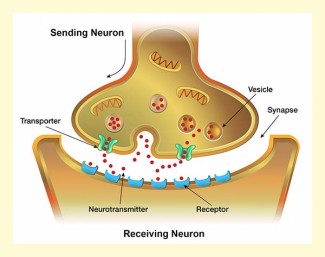
Drugs on the Brain: Substance Use and Neurotransmission
The National Institute on Drug Abuse (NIDA) has published an extended overview detailing the impact of certain drugs on brain functioning, as well as the most common experimental methods used in related research.
Neuroscientists primarily...
Tweet2Quit: Intervence sociálních médií, která pomáhá lidem přestat kouřit
Intervence sociálních médií pro odvykání kouření – Tweet2Quit – posílá automatizovanou každodenní komunikaci soukromým svépomocným skupinám a podporuje vysoce kvalitní peer-to-peer diskuse online. Je to velmi nízké náklady a má potenciální...
Komparativní účinnost ambulantní léčby zneužívání návykových látek u dospívajících: metaanalýza
Vícebodové terapie zaměřené na rodinu se v této komplexní a pečlivé syntéze výsledků pokusů nepobytových programů pro mladistvé užívající návykové látky jeví jako pravděpodobně nejúčinnější – ale ospravedlňují výsledky dodatečné náklady?
P...
Effectiveness Bank Analysis: Mandatory Assessment for Arrestees Does Not Cut Crime
Further evidence from England that the ‘Tough Choices’ schemes which force people arrested for certain offences to be tested for heroin or cocaine use and if positive to be assessed for treatment do not pay back in terms of treatment...
Zaměstnanci ISSUP v centru pozornosti: Jeff Lee
V průběhu mnoha let Jeff realizoval a řídil projekty ve více než 80 různých zemích po celém světě a také převzal vedoucí roli v jedné národní a dvou mezinárodních organizacích.

Clinical Application of Cultural Elements for Hispanic and Latino Populations
This manual is designed to teach cultural competence concepts, values, and strategies for engagement and treatment with Hispanics and Latinos with substance use disorders (SUD). The manual introduces a basic understanding of cultural...
The Growing Need to Address the Use of New Psychoactive Substances
A recent paper published in the International Journal of Drug Policy addresses the current health responses to new psychoactive substances (NPS), highlighting key issues to inform the planning and implementation of adequate responses in the...
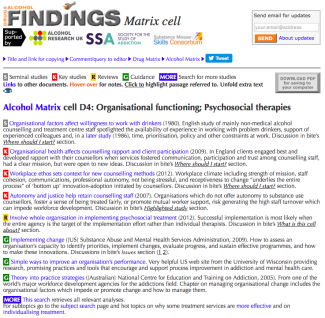
Effectiveness Bank Matrix Bite: Managing the Talking Route to Recovery
Fortnightly instalment of online course on alcohol treatment research starts with a study which concluded that “leaders have a cascading impact on their staff in ways other than through mandate”. Findings that post-training ‘coaching’ is...