

Pencarian
 Psychoactive Substances
Psychoactive substances are natural or synthetic substances that act on the central nervous system and alter mental processes such as mood, perception, cognition, consciousness, and behaviour. These substances may be legally prescribed medications (e.g., pain medications or sedatives), legally available substances such as alcohol or caffeine, or controlled or illicit drugs. Psychoactive substances can be used for medical, social, cultural, or recreational purposes, but some carry risks of misuse, dependence, and health or social harms when used in harmful ways.

Estimating Treatment Coverage for People with Substance Use Disorders: An Analysis of Data from the World Mental Health Surveys
Abstract
Substance use is a major cause of disability globally. This has been recognized in the recent United Nations Sustainable Development Goals (SDGs), in which treatment coverage for substance use disorders is identified as one of the...
Mengapa begitu sulit untuk berhenti menggunakan narkoba?
Video penjelasan: Mengapa begitu sulit untuk berhenti menggunakan narkoba?
The Reciprocal Lagged Effects of Substance Use and Recidivism in a Prisoner Reentry Context
Abstract
Background
Much work has investigated the association between substance use, crime, and recidivism, yet little scholarship has examined these associations longitudinally among samples of recently released prisoners. We examine...
Fakta Tentang Ganja untuk Remaja
NIDA. (2015, Mei 1). Fakta tentang ganja untuk remaja. Diperoleh dari https://www.drugabuse.gov/es/publicaciones/hechos-sobre-la-marihuana-para-adolescentes pada 2018, Februari 15
Tahukah Anda bahwa penggunaan ganja remaja telah menurun...

Fakta Ganja untuk Remaja
NIDA. (2015, Mei 14). Marijuana: Fakta untuk Remaja. Diakses dari https://www.drugabuse.gov/publications/marijuana-facts-teens pada 2018, February 15
Tahukah Anda bahwa penggunaan ganja remaja telah menurun drastis sejak akhir 1990-an...

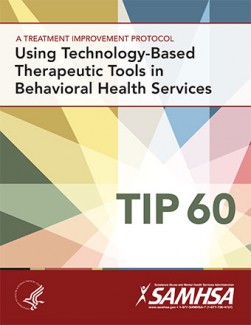
Menggunakan Alat Terapi Berbasis Teknologi dalam Layanan Kesehatan Perilaku
Bagi siapa pun yang tertarik dengan intervensi perilaku kesehatan digital, manual dari SAMHSA ini akan terbukti menarik. Mengeksplorasi bagaimana perawatan yang dibantu teknologi dapat diimplementasikan, nilai penilaian berbasis teknologi...
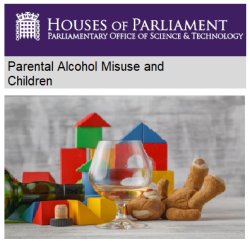
Penyalahgunaan Alkohol Orang Tua dan Anak-Anak
Penyalahgunaan Alkohol Orang Tua (PAM) dapat berdampak negatif terhadap kesehatan fisik dan mental anak-anak, dan hasil lainnya termasuk pencapaian dan perilaku pendidikan. Efek dapat akut bila dialami bersamaan dengan pengalaman buruk...
Anxiety and Depression in Drug-Dependent Patients with Cluster C Personality Disorders
Objective: Comorbidity between personality disorders (PD) and substance-use disorders (SUD) is one of the most common findings in the psychiatric field. The patients with Cluster C disorders present maladjustment traits often characterized...
Model Meksiko dari program keadilan terapeutik untuk orang-orang dengan penggunaan zat psikoaktif
Model Meksiko dari program keadilan terapeutik. Selama 3 tahun program dimulai dengan para penyalahguna atau tanggungan narkoba yang telah melakukan kejahatan ringan. Program ini saat ini dilakukan di 6 negara bagian Republik Meksiko.
Does Trait Mindfulness Level Affect Quitting Cannabis Use? A Six Week Follow-Up Study
Abstract
Background: Only 29% of cannabis dependent individuals seek treatment, yet significant decreases in cannabis use are seen in 31-36% of individuals that seek treatment. Follow-up studies have found that over 60% in substance use...
Kebijakan narkoba dan kepentingan publik
Penggunaan narkoba memiliki dampak signifikan pada kesehatan masyarakat melalui penyakit, kecacatan dan masalah sosial, dan pengambil keputusan semakin tertarik untuk mengembangkan kebijakan obat berbasis bukti. Sangat penting untuk...
Efficacy Indicators of Four Methods in Outpatient Addiction Treatment
Abstract
Background: In Portugal, as far as we know, there are no recent studies that evaluated the comparative efficacy of therapeutic modalities in addiction problems by reference to a holistic and psychosocial model of effectiveness.
...FREE Opioid Training Course from Harvard
Harvard University has launched a free online training course via edX.org. Suitable for those looking for an introduction to understanding opioids and the current "crisis" facing many nations through high rates of drug related deaths. The...

Substance Use among a Sample of Healthcare Workers in Kenya
ABSTRACT
This study describes reported substance use among Kenyan healthcare workers (HCWs), as it has implications for HCWs’ health, productivity, and their ability and likelihood to intervene on substance use. The Alcohol Smoking and...
Predicting Smoking Lapses in the First Week of Quitting: An Ecological Momentary Assessment Study
ABSTRACT
Objectives: This study focused on lapse shortly after an attempt to quit smoking. Ecological momentary assessment (EMA) studies have mapped real-time situational factors that induce lapses in everyday life. However, the possible...
Neurobiologi Kecanduan / Neurobiología de las adicciones
ABSTRAK
Proporsi pengguna penyalahgunaan narkoba yang mengembangkan ketergantungan tidak mewakili totalitas pengguna. Oleh karena itu, ada sebagian besar pengguna yang tidak mengembangkan gangguan penggunaan zat (SUD). Misalnya, di Meksiko...
Drug Use Severity, Mortality, and Cause of Death in Primary Care Patients with Substance Use Disorders
Abstract
This article examines the association between drug use severity and mortality in primary care patients with substance use disorders. In 848 individuals with known vital status, severity was low in 32%, intermediate in 38%, or...
The Role of Adenosine Receptors in Psychostimulant Addiction
Adenosine receptors (AR) are a family of G-protein coupled receptors, comprised of four members, named A1, A2A, A2B, and A3 receptors, found widely distributed in almost all human body tissues and organs. To date, they are known to...
Effects of Prefrontal Transcranial Direct Current Stimulation and Motivation to Quit in Tobacco Smokers
Transcranial direct current stimulation (tDCS) applied over the dorsolateral prefrontal cortex (DLPFC) has been shown to reduce cravings in tobacco addiction; however, results have been somewhat mixed. In this study, we hypothesized that...
Associations between Substance Use and Type of Crime in Prisoners with Substance Use Problems
Aim: The present study aimed to study the associations between substance use patterns and types of crimes in prisoners with substance use problems, and specifically whether substance use patterns were different in violent offenders.
Metho...