Іздестіру
 Populations
Distinct groups of people within a society who share certain characteristics such as age, gender, geographic location, socioeconomic status, cultural background, or exposure to particular risk factors that may influence patterns of substance use, vulnerability to substance use disorders, and access to services. In the context of substance use systems, identifying and understanding different populations helps guide the design of prevention, treatment, recovery, and policy responses that are appropriate, equitable, and responsive to specific needs. Examples may include youth, women, people experiencing homelessness, individuals in the criminal justice system, or communities affected by specific social or economic conditions.


Are Smoking Bans Having the Desired Effect?
A new study carried out by researchers at Ohio State University and subsequently published in the Journal of Health and Social Behaviour shows how smoking bans in the United States have led to a decrease in social or light smoking amongst...
Adolescence, Alcoholism and Interventions
Substance abuse entails a whole host of social, physical and mental health problems. A recent overview published in the Journal of Adolescent Health evaluates the effectiveness of interventions focused on smoking, alcohol or combined drug...
«Отбасы дауыстары» байқауы
Сізге басқа біреудің есірткі немесе алкогольді тұтынуы әсер етті ме? Өз тарихыңызды айтқыңыз келе ме? Adfam's Family Voices Competition басқа біреудің субстанциясын пайдалану арқылы өмір сүрген достарыңыз бен отбасы мүшелеріне өз ойлары мен...
Overdose Aware App
The Overdose Aware App offers practical advice on the signs of overdose and what to do if those signs are present. It aims to raise awareness among those who are experiencing drug use and their families. The App provides only information...

Youth Who Misuse Drugs Are More Likely to Commit Suicide
Suicide ranks among the top five causes of death among 15- to 19-year-olds. Research has shown that youth who misuse drugs are more likely to commit suicide than their peers who do not abuse substances. An estimated 27-50 percent of...
Addiction as a Brain Disease
Even though scientific advances over the past decades have supported the concept of addiction as a brain disease, skepticism remains. Recent research has aimed to reinforce the link between addiction and brain functions and broaden the...
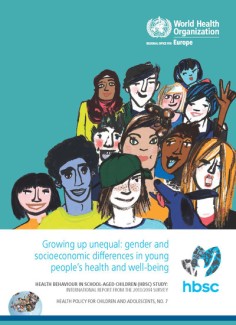
Тең емес өсіп-өну: жастардың денсаулығы мен әл-ауқатының гендерлік және әлеуметтік-әлеуметтік айырмашылықтары. Мектеп жасындағы балалардың денсаулығының мінез-құлқы (HBSC)
Бұл кітап мектеп жасындағы балалардағы денсаулық мінез-құлқы (HBSC) зерттеуінен жастардың денсаулығы туралы есептер сериясына ең соңғы қосымша болып табылады: ДДҰ-ның 30 жастан асқан 11-, 13 және 15 жастағы ұлдар мен қыздардың денсаулығы...
Дар-эс-Саламда пионерлік метадон бағдарламасы мыңдаған адамдарға үміт сыйлайды
Мвананьямала аудандық ауруханасының дискретті бұрышында, Дар-эс-Салам қаласында бір топ жастар метадонның күнделікті фиксациясын алу үшін кішкентай терезенің сыртына кезекке тұрады.
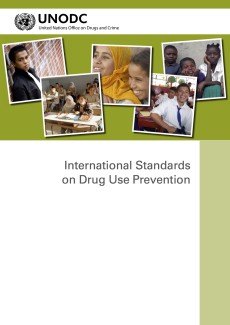
International Standards on Drug Use Prevention
These global International Standards summarize the currently available scientific evidence, describing interventions and policies that have been found to result in positive prevention outcomes and their characteristics. Concurrently, the...
Жасөспіріммен есірткі тұтыну туралы сөйлесетін уақыт келді ме?
Ақш-тың Есірткіні теріс пайдалану жөніндегі ұлттық институты (NIDA) жақында балаларының есірткіні бастайтынына немесе қолданып жатқанына алаңдаушылық танытқан ата-аналарға арналған Отбасын тексеру ресурсын жаңартты.
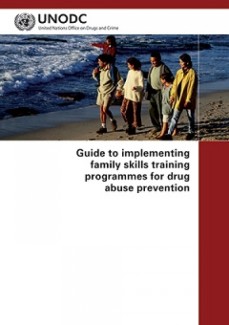
Guide to Implementing Family Skills Training Programmes for Drug Abuse Prevention
UNODC published Guidelines to implement family skills training programmes for drug abuse prevention in March 2009. These guidelines contain evidence of effectiveness, principles of family skills training programmes, cultural adaptation...