جستجو
 Treatment
The range of medical, psychological, and social services designed to help individuals reduce or stop substance use and manage substance use disorders. Treatment may include assessment, counselling and behavioural therapies, medication-assisted treatment, withdrawal management, and support for co-occurring mental or physical health conditions. Effective treatment is typically person-centred and evidence-informed, and may be provided in outpatient, community, or residential settings. Treatment aims to improve health and functioning, reduce substance-related harms, and support individuals in moving toward recovery and long-term wellbeing.


TALK RECOVERY, TALK SAFE SPACES FOR MENTAL HEALTH
May is recognized globally as Mental Health Awareness Month, a time to encourage open conversations, challenge stigma, and promote emotional well-being for all. Across many cultures, however, men continue to face unique barriers when it...
The Opioid Crisis Practical Toolkit: Supporting Faith and Community Responses
This practical toolkit highlights the role of faith-based and community leaders in responding to the opioid crisis in the United States. Developed by the U.S. Department of Health and Human Services, it recognizes that community and faith...
Belief, Behavior, and Belonging: How Faith is Indispensable in Preventing and Recovering from Substance Abuse
This study reviews evidence on the role of faith and spirituality in preventing substance use and supporting recovery. It highlights that many addiction treatment programs in the United States include a spiritual component, particularly...

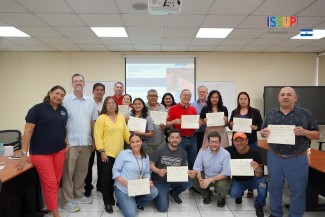
Strengthening Faith-Based Responses to Substance Use and Crime: ISSUP and CICAD to Host Knowledge Exchange Session in Latin America
ISSUP, in collaboration with the Inter-American Drug Abuse Control Commission (CICAD), will host a high-priority Knowledge Exchange Session on Faith-Based Approaches, bringing together ISSUP National Chapters across Latin America to...
VibeCheck - An AI Tool for Addiction Screening, Brief Intervention and Referral; From Screening to Real-World Intervention
ISSUP Nigeria presents the 33rd session of its bi-monthly webinar in the Knowledge Update Series. This webinar will focus on the topic 'VibeCheck - An AI Tool for Addiction Screening, Brief Intervention and Referral; From Screening to Real-World Intervention '.
2026 National Drug Control Strategy - The White House
The 2026 National Drug Control Strategy outlines a comprehensive roadmap to reduce illicit drug use and protect communities across the United States. It prioritizes stopping the flow of drugs and precursor chemicals at all borders through...
Faith-based intervention, change in religiosity, and abstinence among people with substance use disorders
This study examines how changes in religiosity influence recovery outcomes among people in addiction treatment. It finds that individuals in faith-based programs show higher and increasing levels of religiosity over time, which is linked to...
AI and Social Media: Emerging Opportunities in Substance Use Prevention
This webinar presents key findings from a recent scoping review examining how artificial intelligence and social media are creating new opportunities for the detection and prevention of substance use, including among hard-to-reach...
AI and Social Media: Emerging Opportunities in Substance Use Prevention
ISSUP Vietnam presents a webinar on exploring AI and Social Media: Emerging Opportunities in Substance Use Prevention.
Exploring the Relationship Between Gender Based Violence and Addiction Recovery in Men
Gender-based violence (GBV) has the potential to affect men with substance use disorder either as victims, perpetrators, or both. This can significantly disrupt recovery from substance use disorders (SUD) and negatively impact mental health...

La comunidad religiosa y la fe frente al trastorno por uso de sustancias
ISSUP Global presenta un seminario web sobre, "La comunidad religiosa y la fe frente al trastorno por uso de sustancias"
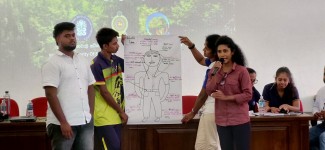
Youth-based Training Series - 2026
Drug use in Sri Lanka has become an increasingly serious public health and social challenge in recent years. The misuse of both traditional substances like cannabis and emerging drugs such as heroin and methamphetamine has affected various...
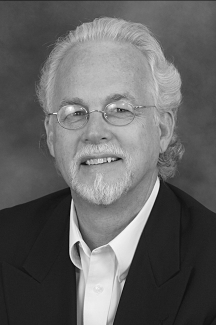
William White: The Architect of Modern Recovery Science
William White has become one of the defining voices in the world of recovery. He did not set out to lead the movement – he set out to understand the people treatment systems were failing. Over the last five decades, his work has helped to...
Inclusive Recovery Cities – Creating a Thriving Recovery Ecosystem
Inclusive Recovery Cities was developed by Professor David Best and Professor Charlotte Colman, based on the idea that recovery from substance use and alcohol is not limited to the individual or to clinical treatment, but is about...
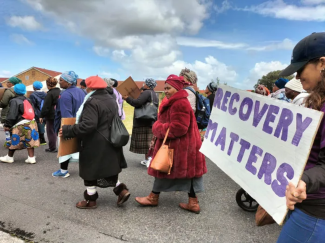
Recovery Capital
Recovery capital includes all the internal and external resources that a person has at their disposal to help them get engaged in and subsequently build and strengthen their recovery. The more recovery capital one has, the stronger their...

A Shared Understanding - A consensus definition of recovery
Recovery in the context of substance use is generally recognised as a process of change through which individuals improve their health and wellness, live self-directed lives, and strive to reach their full potential. This definition...

CCENDU Issue 7 (Part 2): Stimulant Use and Related Harms in Canada — Drivers and Adaptive Responses
This issue is the second of a special two-part series. Part 2 examines key factors driving stimulant use, what these trends mean for different groups of people and the responses being implemented to reduce harms.
Three key points of...
Everyday discrimination in individuals seeking treatment/receiving support for substance use and caregivers
Background:
Experiencing stigma/discrimination is common in individuals who use substances. However, those with caring responsibilities for individuals who use substances may also be stigmatised and discriminated against (known as...

Youth Training Program Series in Mahaweli Areas in Sri Lanka - 2025.
Drug use in Sri Lanka has become an increasingly serious public health and social challenge in recent years. The misuse of both traditional substances like cannabis and emerging drugs such as heroin and methamphetamine has affected various...

Understanding alcohol use disorder and help-seeking in a Hispanic faith-based community
Abstract
Introduction
Hispanic Americans are disproportionately affected by alcohol use disorders (AUD) yet many are reluctant to seek alcohol treatment. Faith-based communities could serve as an effective setting for raising awareness...