

جستجو
 Psychoactive Substances
Psychoactive substances are natural or synthetic substances that act on the central nervous system and alter mental processes such as mood, perception, cognition, consciousness, and behaviour. These substances may be legally prescribed medications (e.g., pain medications or sedatives), legally available substances such as alcohol or caffeine, or controlled or illicit drugs. Psychoactive substances can be used for medical, social, cultural, or recreational purposes, but some carry risks of misuse, dependence, and health or social harms when used in harmful ways.

Overcoming the pains of recovery: The management of negative recovery capital during addiction recovery pathways
Abstract:
Pains experienced as a result of negative recovery capital are often thought to stimulate motivations for positive behavioural change, usually through a ‘rock bottom’ type moment. Whilst recovery capital and barriers to recovery...

Enhanced Alcohol Container Labels: A Systematic Review (Report at a Glance)
To investigate how alcohol container labels can be used to build public awareness, the Canadian Centre on Substance Use and Addiction commissioned Enhanced Alcohol Container Labels: A Systematic Review and developed a summary of the report...
Risk of Opioid Overdose Associated With Concomitant Use of Oxycodone and Selective Serotonin Reuptake Inhibitors
Abstract
Importance Some selective serotonin reuptake inhibitors (SSRIs) inhibit the enzymes responsible for the metabolism of oxycodone, a potent prescription opioid. The clinical consequences of this interaction on the risk of opioid...
بررسی و الگوی استفاده از حشیش در بیمارانی که در یک کلینیک درمانی در نایروبی کنیا شرکت می کنند
حشیش به طور گسترده ای مورد استفاده قرار مواد غیر قانونی در جهان است، با شایعات جهانی 4٪ در میان افراد 15 تا 64 سال و روند اخیر استفاده رو به رشد است. استفاده از حشیش می تواند پیامدهای منفی بهداشتی داشته باشد، مانند اختلال در توسعه عصبی،...
Barriers to support for people experiencing problem substance use and homelessness: Reading list
The second webinar in our series on homelessness and substances use was presented by Dr Hannah Carver who focused on the different barriers that people experience when trying to access support and the evidence base for different...

مروری بر بی خانمانی و استراتژی های جهانی برای تغییر سیستمیک
موسسه بی خانمانی جهانی (IGH) یک جنبش جهانی را برای پایان دادن به بی خانمانی خیابانی به پیش می برد. دیدگاه آنها جهانی است که در آن هر کس دارای یک خانه ارائه می دهد که امنیت، ایمنی، استقلال، و فرصت است.
این مقاله که توسط IGH منتشر شده است،...
European responses to the needs of people who experience homelessness and use drugs
Summary:
This paper explores the evidence base for services designed to meet the needs of people who experience homelessness and use drugs. Through a delimited analysis of existing systematic and rapid evidence reviews, it considers the...
Provision of peer support at the intersection of homelessness and problem substance use services
People who experience homelessness are often described as hard to reach and face marginalisation and exclusion.Peer support, which refers to the support provided by people who have lived experiences of a particular situation, has been...
چه درمان و خدماتی برای افرادی که بی خانمان هستند و از مواد مخدر استفاده می کنند موثر است؟
افرادی که بی خانمانی را تجربه می کنند، میزان بالای مصرف مواد مخدر و آسیب های مرتبط را به طور نامتناسبی تجربه می کنند، با این حال موانع خدمات و حمایت شایع است. این بررسی به بررسی اثرات مداخلات برای این جمعیت بر مصرف مواد، مسکن، و نتایج مرتبط...
What constitutes effective problematic substance use treatment from the perspective of people who are homeless?
Despite people who are homeless experiencing higher rates of substance use, individuals face barriers when trying to access and engage with treatment services.
This systematic review and meta-ethnography explores the view of effective...
Abuse Potential of Cathinones in Humans: A Systematic Review
Abstract
Introduction and objective: Assessing the abuse potential of new substances with central nervous system activity is essential for preventing possible risks of misuse and addiction. The same methodology is recommended for the...
Mindfulness-Based Relapse Prevention: why make relapse prevention more mindful?
Traditionally, relapse prevention for addictive disorders has been based on cognitive-behavioural therapy (CBT). The development of mindfulness-based relapse prevention (MBRP) by the University of Washington, which integrates core aspects...

Risks and Harms Associated with the Nonmedical Use of Benzodiazepines in the Unregulated Drug Supply in Canada
Summary
Substance use risks are significantly higher for people who obtain drugs on the unregulated market as there is no quality control and drug contents are unpredictable. This lack of predictability has increased during the COVID-19...
Culture of Care’ Barometer
An organisational culture is the collection of values, expectations, and practices that shape the overall feeling and actions among staff members. A culture of care is an environment that is created where people feel valued and supported as...
Adverse childhood experiences and related outcomes among adults experiencing homelessness
People who are homeless experience significant physical, mental and social challenges that are linked with poor health and functioning. Rates of substance use issues, mental health difficulties, injury and chronic disease are significantly...
مرگ و میر ناشی از مواد مخدر: سلامت و پاسخ های اجتماعی
این مینی گواید یکی از مجموعه بزرگتری است که با هم شامل پاسخ های بهداشتی و اجتماعی به مشکلات دارویی است: یک راهنمای اروپایی 2021.
این برنامه یک مرور کلی از مهم ترین جنبه های در نظر گرفتن در هنگام برنامه ریزی و یا ارائه پاسخ های بهداشتی و...
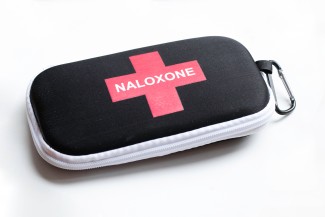
نالوکسون و جلوگیری از مرگ و میر ناشی از مصرف بیش از حد هروئین
نالوکسون یک دارو است که می تواند اثرات مواد مخدر مانند هروئین، متادین، مواد مخدر، کدئین، مورفین و بوپرنرفین را معکوس کند و کمک مهمی در جلوگیری از مرگ و میر ناشی از مواد مخدر است.
مرگ و میر ناشی از مصرف بیش از حد اغلب شاهد و می تواند توسط...
پروفسور بابور در مورد برنامه دکترا مطالعه اعتیاد شناسی در پراگ، CZ
پروفسور توماس اف بابور به این سوال پاسخ می دهد که چرا تحصیل در رشته اعتیاد شناسی در دانشکده اول پزشکی منحصر به فرد است و نقاط قوت آن چه هستند.
شما می توانید تمام مصاحبه در دو لینک زیر را ببینید.

Developing Curriculum for the Training of Non-Specialist in Addiction Studies in Nigerian Universities: The Journey of Nigerian ICUDDR Team
BACKGROUND
This article describes the need to develop a workforce to address the public health burden of drug use in Nigeria. Central to workforce development is the development and implementation of a substance use curriculum.
AIMS
The...
AddictologyIssue 4/2021
EMCDDA initial report on the new psychoactive substance 1-(3-chlorophenyl)-2-(methylamino)propan-1-one (3-chloromethcathinone, 3-CMC)
1-(3-Chlorophenyl)-2-(methylamino) propan-1-one (3-chloromethcathinone, 3-CMC) is a synthetic cathinone stimulant. It is a ring-substituted cathinone, which is structurally related to methcathinone and 4-chloromethcathinone (4-CMC).
The...