


تلاش
 Populations
Distinct groups of people within a society who share certain characteristics such as age, gender, geographic location, socioeconomic status, cultural background, or exposure to particular risk factors that may influence patterns of substance use, vulnerability to substance use disorders, and access to services. In the context of substance use systems, identifying and understanding different populations helps guide the design of prevention, treatment, recovery, and policy responses that are appropriate, equitable, and responsive to specific needs. Examples may include youth, women, people experiencing homelessness, individuals in the criminal justice system, or communities affected by specific social or economic conditions.



Drug Use in Adolescence: Association with Gender, Parenting Practices, Self-Efficacy and Future Time Perspective
Luis G. A. Vinha, Nayara D M A A Khouri, Sheila Giardini Murta
The use of both illegal and legal drugs among adolescents poses a serious problem to societies worldwide. In this sense, it is fundamental to determine the risk and protective...
Cultural Adaptation of the Strengthening Families Program in Brazil
Clarisse Moreira Alo, Marina Pedralho, Juliana Seidl, Mariana Russo Voydeville Damasceno, Viviane de Paula Rocha, Camila de Aquino Morais
Introduction: The Strengthening Families Program (SFP) was originally developed at the University of...
میکسیکو کے نوجوانوں میں تشدد اور مادہ کے استعمال کا مشترکہ واقعہ
سٹیفنی آئرس، فلاویو ایف مارسیگلیا، اسٹیفن ایس کولیس، پال سموکووسکی، اینیڈ گونزالویز
میکسیکو میں تشدد کا بڑھنا اور پھیلنا ایک فوری تشویش ہے کیونکہ اس کے پریشان کن، وسیع پیمانے پر اور کمیونٹیوں پر تیزی سے اثرات مرتب ہو رہے ہیں۔ مجرم، متاثرہ...
Psychological Distress, Family Functioning and Use of Psychoactive Substances in Administrative Workers of an Institution of Higher Education in Nicaragua
Alinka Patricia Avendaño Balladares
Introduction: Professionals in the field of mental health and addictions try to identify situations that cause psychoactive substances use in the population, especially the working population, due to...
Influence of Cumulative Contextual Risk on Academic Performance and Substance Abuse
W. Alex Mason, Mary B. Chmelka, Stacy-Ann A. January, Jukka Savolainen
Introduction: Children exposed to cumulative contextual risk (CCR) are vulnerable to experiencing adverse outcomes, including academic failure as well as substance use...
مادہ کے استعمال اور دیگر خطرے کے طرز عمل کو کم کرنے میں کالج کی خواتین طالب علموں پر چوائس-ایف کی تاثیر
Valeriy V. ریاbuکھا
تعارف: کالج کی زندگی میں منتقلی نوجوان خواتین کے لئے ایک اہم خطرے کی مدت ہے. کالج کے سال وہ وقت ہوتے ہیں جب بہت سے نوجوان پہلی بار شراب کے ساتھ تجربہ کرتے ہیں ، جبکہ دوسرے تجربات سے بار بار استعمال کی طرف جاتے ہیں (راس...
Correlates of Substance Use in Male Pakistani Adolescents
Salman Shahzad, Wendy Leigh Kliewer, Muzafar Ali, Nasreen Begum
Substance use is a significant problem in Pakistan, particularly among male adolescents, yet there are few studies of the correlates of use in this population. As a first step...
The Role of Health Literacy in Quitting Tobacco in Indonesia
Nicole Johnson, Sri Handayani, John Parrish-Sprowl
Introduction: Within the past few years, Indonesia Ministry of Health and government have begun to push toward more anti-tobacco initiatives by sponsoring mass media campaigns and...
Gender and Regional Differences of Cigarette Smoking and Alcohol Consumption
Jinsong Tang, Yanhui Liao
Introduction: Generally, the prevalence of cigarette smoking and alcohol consumption in male Chinese is higher than that in female Chinese. However, little is known about the regional differences in prevalence of...
Risk and Resilience among Out-Of-School Youth in South Africa
Lisa Wegner, Joachim Jacobs, Renette J Blignaut, Innocent Karangwa, Elizabeth Weybright, Linda Lee Caldwell, Edward Allan Smith
South African youth experience many challenges including unemployment, poverty, disorganised families, health...
PROSPER Community-University Partnership Delivery System Effects on Substance Misuse
Evaluated prevention programmes are typically implemented by research teams, raising questions over real-world applicability, but a groundbreaking US trial is said to have produced a ‘robust’ demonstration of the potential of a system in...
Association of Occasional Smoking with Total Mortality in the Population-Based Tromsø Study
Abstract
Objectives: There is a shift in the smoking population from daily smokers to light or occasional smokers. The knowledge about possible adverse health effects of this new smoking pattern is limited. We investigated smoking habits...
Socioeconomic Disparities in Smoking Behavior and Early Smoking Initiation among Men in Malawi
Abstract
Background:
Tobacco smoking is a growing concern for health care systems as it is projected to become the leading cause of death in the developing world. Knowledge of how smoking behavior differs across socioeconomic groups is...
Quality Measurers of Therapeutic Communities for Substance Dependence
Abstract
Background
In Latin America, substance related disorders are highly prevalent and one of the treatment strategies is the Therapeutic Communities (TCs), however, in Latin America there is scarce data about this treatment...
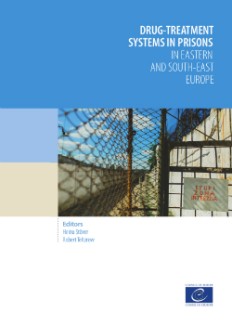
Drug-Treatment Systems in Prisons in Eastern and South-East Europe
This research project on drug-treatment systems in prisons in Eastern and South-East Europe looks in detail into the situation of drug users among criminal justice populations and the corresponding health-care responses in nine countries in...
Effectiveness Bank Hot Topic: The ‘Forgotten’ Carers
One of our selection of hot topics on important issues which sometimes generate heated debate. Both as a treatment resource for the patient and a group needing support in their own right, families affected by substance use are, claimed a UK...
Evaluation of a Federally Funded Mass Media Campaign and Smoking Cessation in Pregnant Women
Abstract
Objectives: In 2012, the Centers for Disease Control and Prevention initiated a national anti-smoking campaign, Tips from Former Smokers (Tips). As a result of the campaign, quit attempts among smokers increased in the general...
Reviewing Inclusion Health: An Intervention Programme for At-Risk Populations
Inclusion Health is a framework for action that helps find ways of improving the health and well-being for socially excluded groups. These populations, who have in common adverse life experiences and risk factors, such as poverty and...
Delivery of Screening and Brief Intervention for Unhealthy Alcohol Use in an Urban Academic Federally Qualified Health Center
Abstract
Background
Screening and brief intervention (SBI) for unhealthy drinking has not been widely implemented in primary care partly due to reliance on physicians to perform it.
Methods
We implemented a model of nursing staff...
Gambling Activates the Same Brain Pathways as Substance Addiction, New Study Finds
Problem gambling in the UK is reported to affect around 590,000 people.
The condition can be treated via a range of approaches, including cognitive behavioural therapy and medication.
Published in the journal Translational Psychiatry, a...