


تلاش
 Regulatory Control of Substances
The legal and administrative systems used to manage the classification, production, distribution, prescribing, and availability of controlled substances. These regulatory frameworks aim to ensure that substances with psychoactive properties are safely produced, distributed, and used for legitimate medical and scientific purposes, while preventing diversion, misuse, and illegal distribution. Regulatory control may include drug scheduling, licensing of manufacturers and prescribers, prescription monitoring systems, import and export controls, and pharmaceutical supply oversight. These mechanisms help balance access to essential medicines with the protection of public health and safety.



Elementos regulatorios sobre la marihuana, a consideración para la efectiva protección a la salud de la población
Abstract
When discussing the public health approach to the use of marijuana, the complexity of rigorous regulatory interventions for population protection is omitted. Using the experience of governments where these practices already exist...
Lower-Risk Cannabis Use Guidelines: A Comprehensive Update of Evidence and Recommendations
ABSTRACT
Background: Cannabis use is common in North America, especially among young people, and is associated with a risk of various acute and chronic adverse health outcomes. Cannabis control regimes are evolving, for example, toward a...
Trends in Deaths Involving Heroin and Synthetic Opioids Excluding Methadone, and Law Enforcement Drug Product Reports
Summary
What is already known about this topic?
Opioid overdose deaths in the United States have been increasing since 1999, initially driven by prescription opioid misuse and more recently by heroin and other illicit opioid use.
What is...
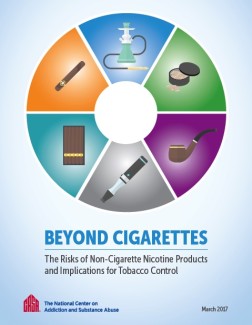
Beyond Cigarettes: The Risks of Non-Cigarette Nicotine Products and Implications for Tobacco Control
BACKGROUND
Whereas much is known about the effects of tobacco use, the current state of knowledge regarding non-cigarette nicotine products, such as electronic nicotine delivery systems (e-cigarettes and other vaping devices), water pipe...
2017 انٹرنیشنل نارکوٹکس کنٹرول حکمت عملی رپورٹ
اس ہفتے بیورو آف انٹرنیشنل نارکوٹکس اینڈ لاء انفورسمنٹ افیئرز (آئی این ایل) نے 2017 کی انٹرنیشنل نارکوٹکس کنٹرول اسٹریٹجی رپورٹ (آئی این سی ایس آر) کو عوامی طور پر جاری کیا، جو محکمہ خارجہ کی جانب سے کانگریس کو فارن اسسٹنس ایکٹ کے مطابق...
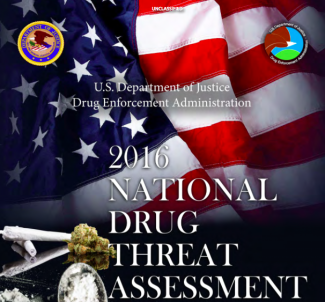
2016 National Drug Threat Assessment
The purpose of the DEA's 2016 National Drug Threat Assessment is to provide timely and relevant strategic drug-related intelligence for policymakers in the United States to formulate counterdrug policies. Further, it helps law enforcement...
Alcohol advertising has no place on our kids' screens
Research shows children who are exposed to alcohol advertising are more likely to start drinking earlier and to drink more.