

Hledat
 Prevention
Evidence-informed strategies and interventions designed to reduce the likelihood of substance use and related harms. Prevention efforts aim to reduce risk factors and strengthen protective factors at the individual, family, community, and societal levels. These approaches may include education, family and school-based programmes, community initiatives, and policies that promote healthy environments. Prevention can be universal (targeting entire populations), selective (targeting groups at higher risk), or indicated (targeting individuals already showing early signs of risk). By addressing the factors that influence substance use before problems develop or escalate, prevention plays a key role in comprehensive responses to substance use disorders and related social and health challenges.


Understanding alcohol use disorder and help-seeking in a Hispanic faith-based community
Abstract
Introduction
Hispanic Americans are disproportionately affected by alcohol use disorders (AUD) yet many are reluctant to seek alcohol treatment. Faith-based communities could serve as an effective setting for raising awareness...

Preventina (PreventAdvisor)
On 9 March 2026, we officially launched Preventina (PreventAdvisor)—an AI chatbot designed to support prevention science, policy, and practice.
This is not a generic chatbot. Preventina is built on a curated knowledge base of verified...
Reimagining Prevention: What Really Works for Youth- From Evidence to Practice to Systems
ISSUP Malaysia presents its upcoming webinar: "Reimagining Prevention: What Really Works for Youth- From Evidence to Practice to Systems. "
Skill vs. Disposition: Examining Paths of Intervention Effects in an Alcohol and Drug Use Prevention Trial Targeting U.S. Adolescents
The goal of this study was to evaluate a mediation model of two approaches to deterring the onset of alcohol, cigarette, and marijuana among middle school adolescents. Students completed surveys that included yes/no self-reports about their past 30-day and lifetime alcohol, cigarettes, and marijuana use.

School Suspension as a Predictor of Young Adult Homelessness: The International Youth Development Study
School suspension in adolescence has been shown to predict homelessness in young adulthood, suggesting that it may be a point of intervention to reduce young adult homelessness. Under zero tolerance policies, school suspension is more...

De la evidencia al impacto: cómo diseñar una prevención de adicciones de calidad y sostenible
ISSUP Global presenta un seminario web sobre De la evidencia al impacto: cómo diseñar una prevención de adicciones de calidad y sostenible
Digital Screening for Substance Use: A Scalable Model from Nigeria
ISSUP Nigeria presents the 32nd session of its bi-monthly webinar in the Knowledge Update Series. This webinar will focus on the topic 'Digital Screening for Substance Use: A Scalable Model from Nigeria'.
Safety Starts Early: Drug Use Prevention and Violence Prevention as Public Security Investments
ISSUP Global presents a webinar on Safety Starts Early: Drug Use Prevention and Violence Prevention as Public Security Investments.
Strengthening Prevention Through Quality Standards: The Example of the European Drug Prevention Quality Standards (EDPQS)
ISSUP Global presents a webinar on improving prevention practice through the European Drug Prevention Quality Standards (EDPQS).
Alcohol Labelling: Czech Expert Perspectives and Recommendations
INTRODUCTION: Consumption of alcohol has significant influence on the physical and mental health of the Czech population. Nevertheless, public awareness of alcohol-related consequences in the Czech Republic remains inadequate. One potential...
AddictologyIssue 4/2025
INTERSECTION OF SCIENCE AND SPIRITUALITY IN RECOVERY
The reality that recovery from substance use disorders (SUD) can emerge through multiple pathways and not be linear, too, was powerfully demonstrated during the January Pathways to Progress Summit hosted by the 1:11 Project Africa at...

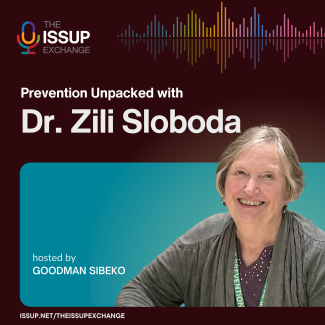
Prevention Unpacked with Dr. Zili Sloboda: Workforce, Capacity & Global Development Pt.3
In this third episode of Prevention Unpacked with Dr. Zili Sloboda, the focus shifts from science to the people who make prevention possible.
“I Can’t Do It Without My Phone”: Nomophobia and Its Impact on Academic Performance – A Systematic Literature Review
INTRODUCTION:
Nomophobia, the fear of losing access to a mobile phone or the Internet, is becoming increasingly prevalent among students due to the rapid digitalization of society and can affect their ability to concentrate, the quality of...
AddictologyIssue 3/2025
A systematic review of reviews on comprehensive community initiatives to prevent or reduce alcohol and other drug harms
Background and Aims:
Comprehensive community initiatives (CCI) aimed at reducing or preventing alcohol or other drug (AOD) harms incorporate multiple initiatives delivered to whole communities to effect community-level change on...
Effectiveness of an mHealth Intervention to Help Parents Prevent Early-Onset Alcohol Involvement: Findings from a Pilot of a Randomized Waitlist Control Trial
A quarter of 11-year-old children in the USA have tried alcohol, typically provided by parents. Parents are the primary source of alcohol socialization for preteens, yet many are unaware of their influence and lack tools to discourage early...
Reducing Drug‑Use–Related Offenses Through Health‑Centered Approaches
ISSUP Global, in collaboration with Proyecto Hombre, presents a webinar on Reducing Drug-Use–Related Offenses Through Health-Centered Approaches.
Faith Based Community Based Centers
Dr Joe Muriuki was the First Kenya to go public about his HIV Status back in 1989. At the time HIV/AIDS was a scare for nations and those who were diagnosed with the infection were stigmatized and isolated by family, Place of work and the...
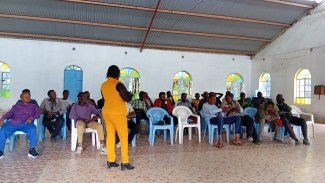
My personal conviction of how ISSUP is helpful.
How ISSUP Has Impacted My Life and Community Practice
By Peter Chege (Mr. Talent), ISSUP Professional Member – ISSUP Kenya
ISSUP has played a significant and transformative role in my personal growth and professional practice...

GAMBLING AND BETTING IN AFRICA
*GAMBLING & BETTING IN AFRICA*
By Peter Chege Kariuki | Mr. Talent.
_Understanding the Web, the Wound, and the_ _Way Out._
A Practical, Lived-Experience Perspective by Mr. Talent.
*Gambling & Betting in the African Reality* (...
How Do Stimulant Users Perceive Available Drug Demand Reduction Interventions in Croatia?
BACKGROUND:
This study represents the first qualitative research on stimulant use in the Republic of Croatia, offering valuable insights into the perspectives of hard-to-reach stimulant users. The aim is to better understand the needs of...
AddictologyIssue 2/2025