


Hledat
 Prevention
Evidence-informed strategies and interventions designed to reduce the likelihood of substance use and related harms. Prevention efforts aim to reduce risk factors and strengthen protective factors at the individual, family, community, and societal levels. These approaches may include education, family and school-based programmes, community initiatives, and policies that promote healthy environments. Prevention can be universal (targeting entire populations), selective (targeting groups at higher risk), or indicated (targeting individuals already showing early signs of risk). By addressing the factors that influence substance use before problems develop or escalate, prevention plays a key role in comprehensive responses to substance use disorders and related social and health challenges.


State HCV Incidence and Policies Related to HCV Preventive and Treatment Services for Persons Who Inject Drugs — United States, 2015–2016
Summary
What is already known about this topic?
The United States has experienced a sharp increase in hepatitis C virus (HCV) incidence that can be attributed to injection drug use. Some states have used public health laws and treatment...
Current and Binge Drinking Among High School Students — United States, 1991–2015
Summary
What is already known about this topic?
Each year from 2006 to 2010, excessive alcohol consumption was responsible for approximately 4,300 deaths among persons aged <21 years, and, in 2010, underage drinking cost the United States...
Does Plain Packaging Cause a Reduction in the Prevalence of Smoking?
Tobacco is the number one cause of preventable death worldwide. A recently published Cochraine Review has found that standardised, or plain, tobacco packaging could make tobacco products less appealing and, in turn, lead to a reduction in...
Vyšší daně potřebné ke snížení míry kouření v jižní Asii
Nový výzkum publikovaný v časopise The British Medical Journal podporuje potřebu zvýšit daně z tabákových výrobků v jižní Asii a naznačuje, že by to mohlo snížit spotřebu nejméně o 1/3 a následně zabránit přibližně 35 až 45 milionům...
Co je třeba vědět o psychosociálních intervencích v léčbě drogové závislosti?
Psychosociální intervence jsou psychologické nebo sociální intervence používané k řešení problémů souvisejících se zneužíváním návykových látek a závislostí na chování. Mohou být použity k identifikaci a léčbě problémů, jakož i k pomoci s...
Nová publikace: Prevence návykového chování EMCDDA
Aktualizovaná verze publikace Evropského monitorovacího centra pro drogy a drogovou závislost (EMCDDA) Prevence zneužívání návykových látek je nyní k dispozici v angličtině. Svým rozsahem poskytuje aktuální přehled vědeckých poznatků o...
Globální míra kouření klesá díky opatřením ke snížení poptávky
Nový výzkum publikovaný v časopise The Lancet Public Health naznačuje, že celosvětová míra kouření se po zavedení globální smlouvy o kontrole tabáku snížila o 2,5 %. Smlouva zavazuje 180 zemí, které se k ní zavázaly, aby zavedly politiky...
ISSUP Mexico 2017
At the beginning of April ISSUP’s Deputy Executive Director, Joanna Travis-Roberts, headed to Cancún, Mexico to plan for this year’s Annual ISSUP Workshop.

Standardy a osvědčené postupy léčby EMCDDA
Zjistěte, co funguje (a co nefunguje) v oblasti protidrogové prevence, léčby a sociální reintegrace.
Characteristics of Fentanyl Overdose — Massachusetts, 2014–2016
Summary
What is already known about this topic?
Fentanyl has a growing presence in the illicit drug market and is involved in an increasing proportion of opioid overdose deaths.
What is added by this report?
Approximately two thirds of...
Background on Alcohol Marketing Regulation and Monitoring for the Protection of Public Health
This document provides evidence for arguments supporting alcohol marketing regulation, and suggests key elements that can be considered by countries in planning, developing, implementing, and evaluating effective regulation. It also...

The Growing Need to Address the Use of New Psychoactive Substances
A recent paper published in the International Journal of Drug Policy addresses the current health responses to new psychoactive substances (NPS), highlighting key issues to inform the planning and implementation of adequate responses in the...
Omezené možnosti? Péče o osoby s poruchami užívání návykových látek
Podle nové studie má většina zdravotníků jen málo příležitostí dozvědět se o zneužívání návykových látek v předškolních vzdělávacích programech.
ISSUP at the 60th Session of the Commission on Narcotic Drugs
Earlier this week ISSUP attended the 60th Session of the Commission on Narcotic Drugs (CND) at the Vienna International Centre.

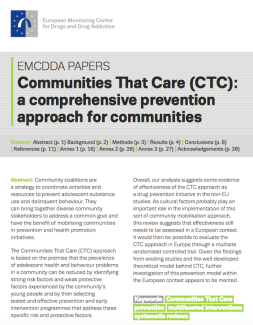
Evaluating Communities That Care (CTC)
‘Community coalitions’ is a preventative strategy that coordinates activities and resources to reduce adolescent substance use and delinquent behaviour, mobilising communities in the promotion of health and prevention initiatives.
Communit...
Preventing and Treating Tobacco Use among Canadian Youth
The Canadian Task Force on Preventive Health Care has issued a new evidence-based guideline for combatting tobacco use by children and young adults aged 5 – 18, suggesting that physicians ought to have a more active role in the prevention...
Can Drug Prevention Programmes Reduce Substance Use by Participants’ Friends?
Besides reducing substance use between its participants one prevention programme also reduced drug use among the friends of those who took part.
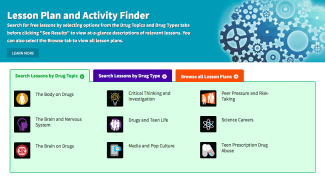
Great Resources for Teachers
Are you a teacher? Are you looking for materials or lesson plans on the effects of drugs and drug abuse? The National Institute on Drug Abuse (NIDA) has created a great database of more than 70 teacher materials on the effects of drugs and...
Drug Misuse Prevention: Targeted Interventions
The National Institute for Health and Care Excellence (NICE) has released guidelines that cover targeted interventions to prevent misuse of drugs, including illegal drugs, ‘legal highs’ and prescription-only medicines. It aims to prevent or...

Drugs on the Brain: Neurological Scans Predict Future Substance Use
A new study published in the journal Nature has found that brain scans can predict whether or not teenagers will develop drug taking behaviours later in life.
A sample of 14-year-olds was assessed. The investigation reports that, from an...