Hledat
 Treatment
The range of medical, psychological, and social services designed to help individuals reduce or stop substance use and manage substance use disorders. Treatment may include assessment, counselling and behavioural therapies, medication-assisted treatment, withdrawal management, and support for co-occurring mental or physical health conditions. Effective treatment is typically person-centred and evidence-informed, and may be provided in outpatient, community, or residential settings. Treatment aims to improve health and functioning, reduce substance-related harms, and support individuals in moving toward recovery and long-term wellbeing.


Electronic-Screening, Brief Intervention and Referral to Treatment (e-SBIRT) for Addictive Disorders: Systematic Review and Meta-Analysis
Abstract
Background: Addictive disorders are significant global public health burdens. Treatment uptake with these disorders is low and outcomes can be mixed. Electronic screening, brief intervention, and referral to treatment (e-SBIRT)...
Effect of screening, brief intervention and referral to treatment for unhealthy alcohol and other drug use in mental health treatment settings: a randomized controlled trial
Abstract
Aims
To test the efficacy of a brief intervention to reduce alcohol or drug use and to promote use of addiction services among patients seeking mental health treatment.
Design and setting
A multi-centre, longitudinal, two-group...
Patient outcomes and experience of a task-shared screening and brief intervention service for problem substance use in South African emergency centres: a mixed methods study.
ABSTRACT
Background
Screening, brief intervention and referral to treatment (SBIRT) programmes have resulted in generally positive outcomes in healthcare settings, particularly for problem alcohol use, yet implementation is hampered by...
Implementation of a screening, brief intervention and referral to treatment programme for risky substance use in South African emergency centres: A mixed methods evaluation study
Abstract
Background
Screening, brief intervention, and referral to treatment (SBIRT) for risky substance use is infrequently included in routine healthcare in low-resourced settings. A SBIRT programme, adopted by the Western Cape...
Screening, brief intervention, and referral to treatment (SBIRT) for cannabis: A scoping review
Highlights
• Scoping review found inconsistent support for SBIRT for cannabis.
• Use of cannabis-specific screening could increase engagement.
• Modifications to brief interventions yielded inconsistent outcomes.
• Limited research has...
A randomized study of the use of screening, brief intervention, and referral to treatment (SBIRT) for drug and alcohol use with jail inmates
Abstract
Background: Screening, brief intervention, and referral to treatment (SBIRT) is an evidence-based practice that has been shown to reduce alcohol and drug use in healthcare, educational, and other settings, but research on the...
Considerations for Introducing SBIRT into a Jail Setting.
INTRODUCTION
Nearly all chronic substance users enter the criminal justice system at some time in their use career. Drug use is closely associated with crime, and its prevalence among offenders is high (MacCoun et al., 2003; Newcomb et al...
Substance use and recidivism outcomes for prison-based drug and alcohol interventions.
ABSTRACT
We conducted a systematic review to examine the substance use and recidivism outcomes of prison-based substance use interventions. We searched public health, criminology, and psychology databases, and conducted forward and...
Lessons Learned from a Mixed Methods Evaluation of a Jail-based Co-Occurring Disorders Treatment Program.
ABSTRACT
This study evaluated the planning, implementation, and preliminary outcomes of a US Bureau of Justice Assistance funded justice mental health focused reentry program for offenders with co-occurring substance use and mental health...
Quality Standards in Drug Use Disorder Treatment – Reading List
In this reading list, we provide resources to help engage our members with the latest knowledge, tools, and case studies on quality standards in substance use disorder treatment. These materials highlight international frameworks, research...

The Recovery Allies Link and Lend Inventive Engaging Support (ALLIES)
The Recovery Allies Link and Lend Inventive Engaging Support (ALLIES) Model introduced by NDDCB appears to be part of a growing global movement to professionalize and deepen recovery support services. In 2024, 18 members of the National...
Prioritizing Abstinence-Based Prevention, Regulation, and Recovery to Reduce Substance-Related Harm and Promote Mental Health at a Population-Level
Abstract: This commentary argues the need to prioritize regulation and abstinence-based prevention and recovery as critical services in efforts to maximize the reduction of substance-related harm and the promotion of mental health at a...
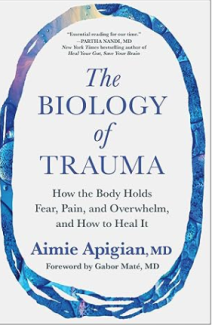
The Biology of Trauma
This groundbreaking book breaks down the latest research to reveal how trauma impacts our bodies on a cellular level and offers an empowering path to whole-body healing.
Today, we know more about mental health than ever before, but...
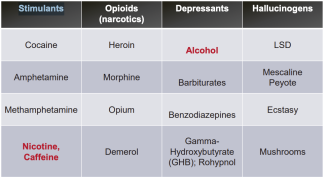
Classification of Psychoactive Substances
This section from the UPC 2 Physiology and Pharmacology for Prevention Professionals (p130-133) introduces the main types of psychoactive substances, explains their effects on the brain and body, and clarifies that some commonly used legal...
From Evidence to Action: Building Partnerships to Strengthen the Drug Demand Reduction Strategy
Grounded in UNODC research—particularly the World Drug Report on synthetic trends, polydrug use, and treatment gaps—this presentation translates evidence into a partnership blueprint for stronger drug demand reduction (DDR).
Getting to Know Joanna Travis-Roberts Pt.1
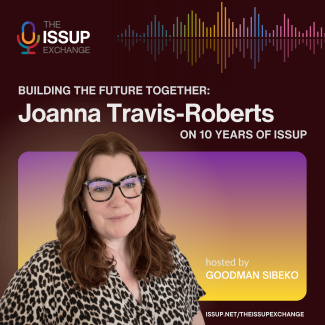
Building the Future Together: Joanna Travis-Roberts on 10 Years of ISSUP
A special three-part series celebrating 10 years of the International Society of Substance Use Professionals (ISSUP).
In this first episode, host Associate...
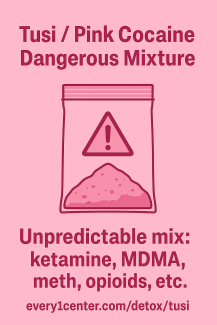
⚠️ Tusi (“Cocaína Rosa”): Qué es, Riesgos y Dónde Obtener Ayuda
⚠️ Tusi (“Cocaína Rosa”): Qué es, Riesgos y Dónde Obtener Ayuda
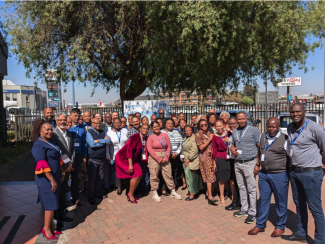
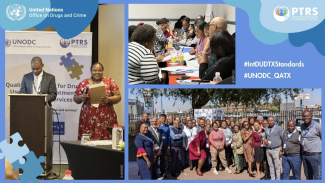
Health And Hope: Reflecting On Progress In Developing The Quality Assurance Mechanism For The Treatment Of Drug Use Disorders In South Africa
UNODC is collaborating with South Africa to enhance the quality and effectiveness of drug use disorder treatment, ensuring services align with the International Standards for the Treatment of Drug Use Disorders. Through training, workshops...
Codeine Crisis To Care: How UNODC’s Quality Assurance Mechanisms Redefined Drug Treatment Services In Dawanau, Kano
What started with a BBC documentary exposing the harsh realities of Nigeria’s codeine crisis has since become a powerful story of change. In Kano State, UNODC, with support from the European Union, introduced Quality Assurance mechanisms...

Enhancing Quality Assurance Mechanisms For The Treatment Of Drug Use Disorders – Workshop On Adaptation Of Key Quality Standards For Service Appraisal For The Treatment Of Drug Use Disorders In South Africa
In August 2024, UNODC convened policymakers and treatment managers in Johannesburg for a workshop on adapting Key Quality Standards for drug use disorder treatment. The meeting, held in partnership with South Africa’s Department of Social...