

Hledat
 Treatment
The range of medical, psychological, and social services designed to help individuals reduce or stop substance use and manage substance use disorders. Treatment may include assessment, counselling and behavioural therapies, medication-assisted treatment, withdrawal management, and support for co-occurring mental or physical health conditions. Effective treatment is typically person-centred and evidence-informed, and may be provided in outpatient, community, or residential settings. Treatment aims to improve health and functioning, reduce substance-related harms, and support individuals in moving toward recovery and long-term wellbeing.

Cigarrillos Electrónicos y Vapeadores: Una Mirada Desde la Prevención
ISSUP Colombia presenta su webinar sobre Cigarrillos Electrónicos y Vapers: Una visión desde la prevención.
Liver stiffness and associated risk factors among people with a history of injecting drugs: a prospective cohort study
Background:
People who have problems with using opioids or other drugs and inject them have shorter lives than most people. Liver diseases, especially, contribute to this. Checking liver stiffness might help find liver problems early. This...
Trauma exposure across the lifespan among individuals engaged in treatment with medication for opioid use disorder: differences by gender, PTSD status, and chronic pain
Background
There is little research on lifetime trauma exposure among individuals undergoing medication treatment for opioid use disorder (MOUD). A multisite study examined the prevalence of lifetime trauma and explored differences based...
A qualitative study of experiences with physical activity among people receiving opioid agonist therapy
Background
Physical or mental health commorbidities are common among people with substance use disorders undergoing opioid agonist therapy. Exercise provides many health benefits and can be used both as a preventive and treatment strategy...
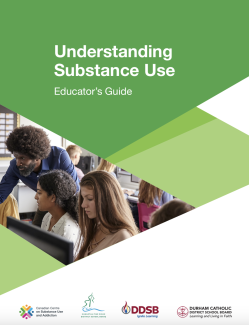
Understanding Substance Use: Educator's Guide
The guide, co-developed by the Canadian Centre on Substance Use and Addiction (CCSA) and several school boards, aims to equip educators with knowledge and resources to promote well-being and reduce substance-related harms among youth.
Des...
Clearing the Smoke on Cannabis and Cannabinoids: Medical Use of Cannabis and Cannabinoids
The report, "Clearing the Smoke on Cannabis: Medical Use of Cannabis and Cannabinoids 2024 Update," examines the medical use of cannabis and cannabinoids, emphasizing their effects, efficacy, and the need for more rigorous research. Key...
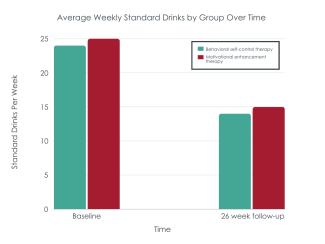
A COMPARISON OF TWO TREATMENTS FOR INDIVIDUALS INTERESTED IN REDUCING ALCOHOL USE
Many people seeking treatment for severe alcohol use disorder begin with a goal of alcohol abstinence. There are also, however, many less severe cases who hope to reduce their drinking rather than stopping altogether, and evidence suggests...
Technology Use and Substance Use Disorder Among Youth
ISSUP presents a webinar on Technology Use and Substance Use Disorder Among Youth.
A Reading List for Public health interventions within the criminal justice system
Public health interventions within the criminal justice system encompass multi-sector approach on strategies and programs designed to divert individuals with substance use disorders away from conventional imprisonment. These interventions...

Alternatives to Imprisonment- Decade of Action
The global incarceration rate has been steadily rising, with nearly 11 million individuals detained either awaiting trial or serving sentences worldwide. Prison overcrowding presents a longstanding and pervasive challenge for numerous...
Co-Creation in Community-Based Prevention
ISSUP, in collaboration with the ICUDDR, presents a webinar on Co-creation in community-based prevention.
Alternatives to Incarceration: Alternatives to Incarceration A Smart Approach to Breaking the Cycle of Drug Use and Crime
The Office of National Drug Control Policy (ONDCP) highlights the strong link between drug use and criminal behavior, recognizing addiction as a disease requiring public health and safety interventions. The administration aims to break the cycle of drug use and crime through innovative, evidence-based approaches. These include smart probation strategies, like Hawaii's HOPE program and South Dakota's 24/7 Sobriety Project, which emphasize swift and certain sanctions for violations, reducing recidivism and saving costs. Drug courts, which combine treatment with judicial oversight, have shown success in reducing substance use and criminal activity. The administration supports expanding these programs to improve public safety and health outcomes while reducing correctional costs.

Alternatives to Incarceration for Drug‐Related Offenses
Alternatives to incarceration (ATIs) are mainly designed for offenders whose criminal behavior is driven by an underlying substance abuse disorder. This behavior can include not only crimes related to substance use (e.g., possession) but...
Building Inclusive Recovery Cities: An international movement for community building, recovery and prevention.
ISSUP, in collaboration with the Centre for Addiction Recovery Research (CARR), presents its webinar on Building Inclusive Recovery Cities.
This webinar combines key innovations in public-facing recovery programmes that challenge...
National Chapters Advisory Committee Maiden Webinar: Utilising ISSUP Online Resources
On 17th April 2024 the ISSUP National Chapters Advisory Committee hosted its maiden webinar, “Utilising ISSUP Online Resources” for National Chapter focal points. The 60-minute virtual session held in both English and Spanish offered an in...

Trauma exposure across the lifespan among individuals engaged in treatment with medication for opioid use disorder: differences by gender, PTSD status, and chronic pain
Background: Limited research has been conducted on lifetime trauma exposure among individuals undergoing medication treatment for opioid use disorder (MOUD). A multisite study provided an opportunity to investigate the prevalence of...
People who use drugs engagement in substance use disorder services and harm reduction: evaluation, challenges and future direction of a community-based intervention
Background:
Since 1996, an urban community-based organization has been providing screening, testing, overdose prevention, referrals, and access to treatment for substance use disorders (SUD) and communicable diseases such as HIV through...
A qualitative study of experiences with physical activity among people receiving opioid agonist therapy
Background:
Many people with substance use disorders undergoing opioid agonist therapy often have physical or mental health commorbidities. Exercise is recognised as beneficial for both prevention and treatment of various health conditions...

Prevention Plus Wellness Programs Include SBIRT Protocol
Prevention Plus Wellness (PPW) programs, like the SPORT, Marijuana, Vaping, Opioid and InShape PPW programs for adolescents and young adults include materials and directions for implementation as an optional Screening, Brief Intervention...
Aspectos Toxicológicos del Cigarrillo Electrónico
ISSUP Colombia presenta su webinar sobre “Aspectos Toxicológicos de los Cigarrillos Electrónicos”.