Hledat
 Treatment
The range of medical, psychological, and social services designed to help individuals reduce or stop substance use and manage substance use disorders. Treatment may include assessment, counselling and behavioural therapies, medication-assisted treatment, withdrawal management, and support for co-occurring mental or physical health conditions. Effective treatment is typically person-centred and evidence-informed, and may be provided in outpatient, community, or residential settings. Treatment aims to improve health and functioning, reduce substance-related harms, and support individuals in moving toward recovery and long-term wellbeing.

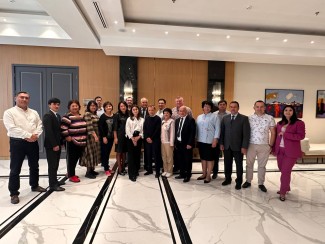
Addiction professionals from Central Asia enhanced knowledge on working with population with special clinical needs
The UNODC Regional Office for Central Asia held a Regional Training of Trainers (ToT) on Course 20 – “Populations with Special Clinical Needs” which took place in person in Dushanbe, Tajikistan on 23-27 October 2023. This course is a part...
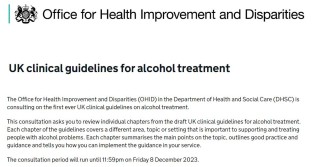
Open Consultation: UK clinical guidelines for alcohol treatment
The consultation on the UK clinical guidelines for alcohol treatment is now open.
Consultation description
This consultation asks you to review individual chapters from the draft UK clinical guidelines for alcohol treatment.
Each chapter...
Lisbon Addictions 2024: Call for abstracts
Lisbon Addictions 2024 is a multidisciplinary conference that provides both a forum for networking and an opportunity to showcase cutting-edge research. The conference is intended to inform policy development and practice through a better...

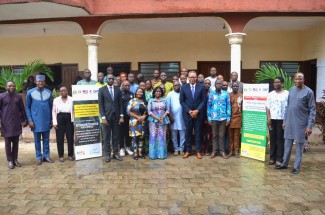
ECOWAS Commission Supports the Training of Trainers on Evidence-Based Drug Use Prevention in the Benin Republic
The ECOWAS Commission organized a training for 30 Core Drug Prevention Professionals on Evidence-Based Prevention of Drug Use/Substance Abuse in Cotonou, the Republic of Benin from the 17th to the 21st of October 2023
Uso Nocivo de Dispositivos Tecnológicos y Consumo de Sustancias. Parte I “Desafíos durante la Infancia”
ISSUP Argentina se complace en presentar su webinar sobre uso nocivo de dispositivos tecnológicos y consumo de sustancias.
International Journal of Addiction Research (RIIAD) - Vol. 9 No. 2 (2023): July - December
Here you can find the latest release of the International Journal of Addiction Research (RIIAD). Revista Internacional de Investigación en Adicciones (RIIAD) is a forum of Centros de Integración Juvenil hopes, aimed to promote the...
Acceptability of using mobile Health (mHealth) as an intervention tool for people with drug use disorders in Tanga, Tanzania
Abstract
Evidence on the additional benefit in treatment and recovery process among PWDUD using digital health interventions is lacking. This study aimed to describe the acceptability of using a digital intervention to increase information...
Who Helps The Helper? A Skills Transfer Program for Behavioural and Substance Use Professionals
ISSUP Kenya is pleased to present its webinar on Skills Transfer Program for Behavioural and Substance Use Professionals.
Gain insights from clinical practice, mentorship, and supervision programs that equip novice mental health professionals with practical skills.
Development of an addiction recovery patient-reported outcome measure: Response to Addiction Recovery (R2AR)
Background:
Recovery, a primary goal of addiction treatment, goes beyond abstinence. It encompasses various aspects that differ among individuals, making it challenging to measure. Traditional assessments in addiction care have focused on...
Pathways 2 Prevention Podcast
Join Drug Free America Foundation in the Pathways 2 Prevention podcast as we engage stakeholders from across the drug demand reduction spectrum including government, academia, clergy, preventionists, treatment professionals, and persons in...
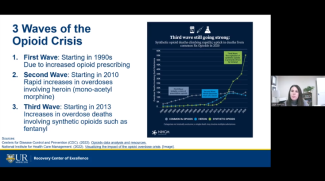
Synthetic Opioids: Navigating a Changing Landscape in the Treatment of Opioid Use Disorder
This 35-minute module focuses on how primary care providers can navigate the changing landscape of opioid use disorder in relation to synthetic opioids.
Build your Expertise: Five Benefits of Universal Treatment Curriculum Self-Led Courses
Are you looking to enhance your knowledge and gain skills in substance use prevention and treatment? The ISSUP Online Learning Hub offers a selection of free Universal Treatment Curriculum (UTC) self-led courses in both English and Spanish. Whether you're a student, treatment professional or simply interested in expanding your knowledge of the subject, these courses are for you.

Role of the media in promoting the dehumanization of people who use drugs
One major contributor to the public opinion of drugs and people who use them is the media, whose coverage of these topics consistently uses negative imagery and language. This narrative review of the literature and American media on the dehumanization of illegal drugs and the people who use them provides a perspective on the components of dehumanization in each case and explores the consequences of dehumanization on health, law, and society.

The Biological Component of Behavioral Health and Marijuana Use
Join us for the next webinar as part of our Marijuana and Pregnancy Educational Project series highlighting the role of neuroscience and epigenetics as they relate to behavioral health and the potential implications of self-medicating with...
PSMG: Reducing Opioid Use Disorder and Overdose in the United States: Model Development and Policy Analysis
Authors: Mohammad Jalali, PhD Harvard University Wayne Wakeland, PhD Portland State University
Abstract: The opioid crisis is one of the most pressing public health issues in the U.S. today. Opioid overdoses are the proverbial “tip of the...
Estigma de profesionales de la salud y psicosociales hacia personas que usan drogas
ISSUP Colombia se complace en presentarles su Webinar sobre Estigma.
Opening of new International Master Programme in Addictions (IMPA) in Prague (in English)
ISSUP Czech Republic presents their webinar on the new International Master Programme in Addictions (IMPA) in Prague (in English).
Substance Use Disorders (SUD) and Type 2 Diabetes: Integration of Evidence-Based Diabetes Care to Promote Quality Health Outcomes
ISSUP, ICUDDR, and IntNSA invite you to their recently concluded collaborative webinar for World Diabetes Day 2023
Thailand: Moving from punishment to treatment of people who use drugs
People who use drugs in Thailand are receiving more help to reduce the harm caused by their habit thanks to a change in formerly punitive drug laws and support from the UN Office on Drugs and Crime.
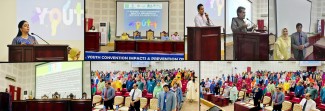
4th National Youth Convention (Impacts & Prevention of Substance Use Among Youth Anti-Drug Poster Competition & Cultural Show) Organized by ISSUP Pakistan in Collaboration with Quaid-E-Azam University, on 6th July, 2023 at Islamabad-Pakistan
4th NATIONAL YOUTH CONVENTION
(IMPACTS & PREVENTION OF SUBSTANCE USE AMONG YOUTH Anti-Drug Poster Competition & Cultural Show)
Organized by ISSUP PAKISTAN in Collaboration with QUAID-E-AZAM UNIVERSITY, on 6th July 2023 at ISLAMABAD...