Parenting interventions in the context of prevention: New guidelines and a call for action
ISSUP Lebanon present their Webinar on Parenting interventions in the context of prevention.

A publication on predictors of substance use disorder symptoms among women in Katsina State, Nigeria.

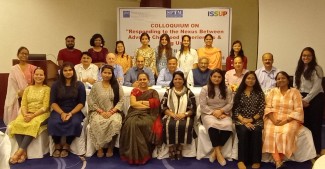
ISSUP India conducted a one-day colloquium titled “Responding to the Nexus between Adverse Childhood Experiences and Drug Use” with the support of the Paul Hamlyn Foundation and National Drug Dependence Treatment Centre, AIIMS on 15th April...
Au cours des 30 dernières années, d’importantes percées dans le domaine de la recherche dans le domaine de la prévention de l’usage de substances ont permis de :
1° améliorer la compréhension des effets pharmacologiques sur le système...
The N‑SUMHSS is a voluntary annual survey of all active substance use and mental health facilities in the United States, its territories, and D.C. The annual report presents findings on the general profile of substance use and mental health...
The Alcohol Use and Mental Health Project ECHO is a no-cost virtual program for health care professionals who are looking for up-to-date and research-based information on working with people who use alcohol.
The program, which is only in...

La stigmatisation sociale est le principal obstacle au traitement des toxicomanes.
La stigmatisation sociale est la raison pour laquelle les femmes qui consomment des substances ne sont pas disposées à se faire soigner. Le taux de...