
Pencarian
 Treatment
The range of medical, psychological, and social services designed to help individuals reduce or stop substance use and manage substance use disorders. Treatment may include assessment, counselling and behavioural therapies, medication-assisted treatment, withdrawal management, and support for co-occurring mental or physical health conditions. Effective treatment is typically person-centred and evidence-informed, and may be provided in outpatient, community, or residential settings. Treatment aims to improve health and functioning, reduce substance-related harms, and support individuals in moving toward recovery and long-term wellbeing.


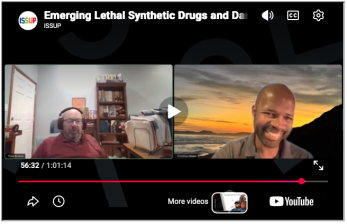
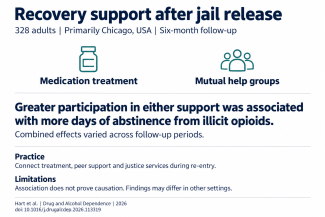
Adults with Problematic Opioid Use Released from Jail: Mutual Help Groups and Medication Support Contribute to a Greater Likelihood of Opioid Abstinence
A recent study found that medication treatment and mutual help group participation were each associated with more days of abstinence from illicit opioids after jail release. Their combined benefits were less clear and varied across follow-up periods. For ISSUP practitioners, the findings highlight the value of connecting treatment, recovery support and justice services during re-entry. The study does not establish causation, and findings from this US sample may not apply equally in other settings.
Para-Methoxymethamphetamine (PMMA) in tablets sold as ecstasy: Why this matters across our workforce
UNODC reports increasing PMMA detections in tablets sold as ecstasy in Europe, raising serious toxicity concerns. The alert encourages coordinated information sharing across prevention, treatment, recovery and law enforcement. It does not confirm local circulation, but prompts a review of local early warning responses.

Connecting Evidence, Prevention, Law Enforcement and Community Action: Key Insights from ISSUP 2026
How do we go about translating evidence into effective action, strengthen prevention, address drug-related crime, improve access to treatment and recovery support, and build safer, healthier communities?
This age-old question was explored...

Faith-Based Approaches: The Role of Faith and Religious Institutions in Addressing Substance Use
Faith, spirituality and faith-based organisations can play an important role in addressing substance use, supporting recovery and responding to related vulnerabilities as well as crime. Across different cultural and community settings, they...
From Evidence to Practice: Advances in Substance Use Disorder Care
Evidence-based interventions can improve prevention, treatment and recovery outcomes, but knowing what works does not guarantee that people will benefit. Effective responses depend on trained professionals, supportive systems, coordinated...
Strengthening Faith-Based Responses to Drugs and Youth Criminal Recruitment: CICAD's Experience in the Americas
ABSTRACT
This presentation examines the experience of the Inter-American Drug Abuse Control Commission (CICAD) in strengthening the role of faith-based organizations in addressing substance use and the growing challenge of youth...
Latin American Pastoral Manual for Addiction Prevention and Support
ABSTRACT
Presentation of the Latin American Pastoral Manual for Addiction Prevention and Support, a resource that brings together science, faith and community experience. Developed through a synodal process involving representatives from...
Public Health Alert: Cychlorphine, a Highly Potent Emerging Synthetic Opioid
This public health alert from Addiction Policy Forum highlights cychlorphine, a highly potent emerging synthetic opioid detected in the unregulated drug supply in the United States, including alongside fentanyl and other substances. The...

Factors Associated with Receipt of Medications for Alcohol Use Disorder in Primary Care Prior to Acute Care Encounters in Southern California
Background: Medications for alcohol use disorder (MAUD) are U.S. Food and Drug Administration (FDA)-approved, evidence-based treatments that increase percent days abstinent, reduce heavy drinking, and decrease alcohol cravings. However, a...
Making intersectoral collaboration work: connecting people, services and communities
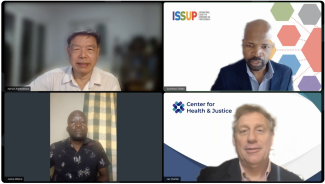
ISSUP’s 2026 conference session on intersectoral collaboration explored how health, justice and community services can work together to help people access and stay connected to appropriate support. Presentations from Thailand, Kenya and Ghana, alongside an introduction to deflection, highlighted clearer referral pathways, shared responsibilities, workforce wellbeing and earlier opportunities for care. These themes connected with the wider conference discussions on evidence-informed practice, youth prevention, recovery and faith-based support. Members were encouraged to adapt the learning to their roles and local circumstances, involve people using services in improvements, and assess changes in health, relationships and everyday life alongside service activity. The session recording offers a starting point for further learning, discussion across professions and practical collaboration through ISSUP National Chapters and professional networks.
Faith Based Recovery
Faith-based recovery refers to programmes and communities that draw on spiritual and religious resources to support the process of change. It encompasses a wide range of approaches that foster recovery through meaning, hope, responsibility...

A scoping review of spirituality in relation to substance use disorders: Psychological, biological, and cultural issues
This scoping review explores the role of spirituality in substance use disorders (SUD) across psychological, biological and cultural dimensions. It reviews research on topics including spiritual awakening, drug craving, psychedelic-assisted...
Religion and Spirituality in Addiction Recovery
This scoping review examines the role of spirituality in substance use disorders across three interconnected areas: psychology, biology, and culture. It explores topics including spiritual awakening, the relationship between spirituality...
From Darkness to Light: Spiritual Turning Points in Recovery among Former Substance Users in Norway
This qualitative study explores how spiritual experiences contribute to recovery from substance use disorders among 24 people who completed Christian faith-based rehabilitation programmes in Norway. Participants described experiencing loss...
A mosque-based methadone maintenance treatment strategy: Implementation and pilot results
This study describes an Islamic-inspired methadone maintenance treatment programme delivered in a mosque setting for 36 Muslim men who used heroin. The programme combined methadone treatment with peer support and religious counselling...
Evaluating the Efficacy of Repetitive Transcranial Magnetic Stimulation (rTMS) on Craving Reduction and Relapse Prevention in Alcohol and Opioid Use Disorders: A Randomized Controlled Trial
|
Background: High relapse rates in alcohol (AUD) and opioid (OUD) use disorders remain a major treatment challenge. This study investigated the efficacy of repetitive transcranial magnetic stimulation (rTMS) for sustained... |

Structural and Regulatory Deficits in Alcohol Control Policy: A Critical Evaluation of Advertising Governance and Treatment Systems in Nigeria NAPMIP 2026-2030 (formerly DRAFT NNAP 2025)
|
Nigeria ranks among countries with the highest alcohol consumption rates among individuals aged 15 and above, posing adverse public health risks. On one hand, excessive advertising, and aggressive marketing strategies has... |

Collaboration in drug treatment and rehabilitation in the Philippines
|
Introduction: Collaboration is a key strategy to enable organizations involved in drug rehabilitation to address the complex medical, mental, social, and legal problems confronting people who use drugs. One important... |

Breaking Silos: Building Multi-Sector Partnerships to Address Substance Use Disorders
|
Substance use disorders (SUDs) pose significant challenges in academic environments, impacting students' health, academic performance, and campus well-being. This panel presentation outlines the collaborative efforts of Trinity... |

Strengthening Organizational Resilience to Sustain Drug Rehabilitation Services During Crisis: Evidence from Indonesia
|
Background: The COVID-19 pandemic exposed critical fragilities in drug rehabilitation systems worldwide, particularly in low-resource settings where continuity of care depends on coordination across health, social, and... |