

Pencarian
 Populations
Distinct groups of people within a society who share certain characteristics such as age, gender, geographic location, socioeconomic status, cultural background, or exposure to particular risk factors that may influence patterns of substance use, vulnerability to substance use disorders, and access to services. In the context of substance use systems, identifying and understanding different populations helps guide the design of prevention, treatment, recovery, and policy responses that are appropriate, equitable, and responsive to specific needs. Examples may include youth, women, people experiencing homelessness, individuals in the criminal justice system, or communities affected by specific social or economic conditions.



Ilmuwan NIDA Tinjau Dampak Merokok di kalangan Remaja dengan ADHD
Dua studi yang didanai oleh NIDA telah menyoroti korelasi antara gejala ADHD dan usia merokok awal.
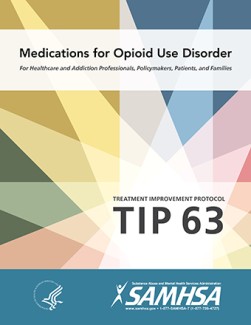
Baru dari SAMHSA: Obat untuk Gangguan Penggunaan Opioid
SAMHSA telah merilis publikasi baru sebagai bagian dari seri Treatment Improvement Protocol.
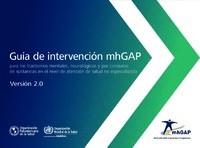
Panduan Intervensi mhGAP untuk Gangguan Mental, Neurologis, dan Penggunaan Zat di Tingkat Perawatan Kesehatan Non-Khusus. Versi 2.0
Gangguan mental, neurologis dan penggunaan zat (MNS) sangat umum dan mewakili beban penyakit dan kecacatan yang tinggi di seluruh dunia. Masih ada kesenjangan yang lebar antara kapasitas sistem kesehatan dan sumber daya yang tersedia...
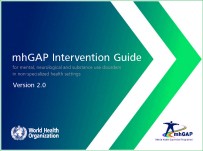
Panduan Intervensi mhGAP - Versi 2.0 untuk Gangguan Penggunaan Mental, Neurologis dan Zat dalam Pengaturan Kesehatan Non-Khusus
Ikhtisar
Ini adalah versi kedua (2016) dari Panduan Intervensi mhGAP (MHGAP-IG) untuk gangguan mental, neurologis dan penggunaan zat (MNS) dalam pengaturan kesehatan non-spesialis. Ini untuk digunakan oleh dokter, perawat, petugas...
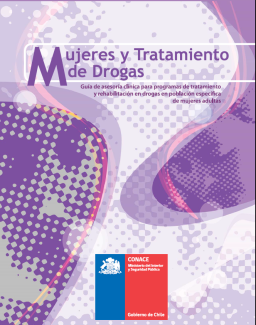
Wanita dan Perawatan Obat
Panduan konseling klinis untuk perawatan narkoba dan program rehabilitasi pada populasi spesifik wanita dewasa.
Apakah Anda anggota ISSUP? Jika belum, Anda dapat bergabung dengan ISSUP dengan mendaftar di sini: https://www.issup.net...
Sertifikasi Profesional Kecanduan di Afrika: Tinjauan Umum Proses di Kenya
Abstrak
Makalah ini berfokus pada tindakan Kenya untuk mengatasi masalah narkoba, khususnya, perawatan dan rehabilitasi orang dengan Gangguan Penggunaan Zat (SUD). Perawatan dan rehabilitasi orang dengan SUD secara resmi dimulai di Kenya...
Pencegahan, Pengobatan, dan Pemulihan Alkohol dan Obat-obatan: Mengapa Berinvestasi?
Perkiraan menunjukkan bahwa di Inggris biaya sosial dan ekonomi dari bahaya terkait alkohol berjumlah £ 21,5 miliar, sementara kerugian dari penggunaan narkoba menelan biaya £ 10,7 miliar. Ini termasuk biaya yang terkait dengan kematian...
Reasons for E-Cigarette Use among US Middle and High School Students
Summary
What is already known about this topic?
Electronic cigarettes (e-cigarettes) were the most commonly used tobacco product among U.S. middle school and high school students in 2016. The Surgeon General concluded that e-cigarettes...
Drug Use Prevention Projects in Schools in Brazil: Quality Analysis and Improvement Proposals
Abstract
Adolescents living in vulnerable regions are more exposed to risk factors for drug use. The prevention of such use in school is a public policy that needs evaluation. Based on technical criteria and derived from a mixed research...
Pemeriksaan Keluarga: Pengasuhan Positif Mencegah Penyalahgunaan Narkoba
Rekomendasi untuk orang tua, dengan saran tentang pengasuhan positif untuk mencegah penyalahgunaan zat. Dalam materi termasuk tautan ke video contoh.
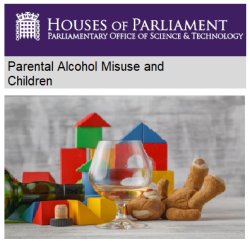
Penyalahgunaan Alkohol Orang Tua dan Anak-Anak
Penyalahgunaan Alkohol Orang Tua (PAM) dapat berdampak negatif terhadap kesehatan fisik dan mental anak-anak, dan hasil lainnya termasuk pencapaian dan perilaku pendidikan. Efek dapat akut bila dialami bersamaan dengan pengalaman buruk...
Elasticidad precio de la demanda de cigarrillos y alcohol en Ecuador con datos de hogares
RESUMEN
Objetivo: Estimar la elasticidad precio de la demanda de cigarrillos y alcohol en Ecuador mediante la utilización de datos de corte transversal de la Encuesta Nacional de Ingresos y Gastos de Hogares Urbanos y Rurales (ENIGHUR)...
Alkohol: Produk konsumsi non-biasa
Dari perspektif kesehatan masyarakat, konsumsi alkohol memainkan peran penting dalam penyebab kecacatan, penyakit, dan kematian dalam skala global. Ini juga berkontribusi secara substansial terhadap disfungsi keluarga, kekerasan, dan...
Childhood Emotional Maltreatment and Mental Disorders
Abstract
Child maltreatment is a public health concern with well-established sequelae. However, compared to research on physical and sexual abuse, far less is known about the long-term impact of emotional maltreatment on mental health. The...
Trends in Adolescent Alcohol Use in the Netherlands
ABSTRACT
Background: From an international perspective, studying trends in adolescent alcohol use in the Netherlands is an important case study. Whereas Dutch adolescents topped the international rankings of alcohol consumption in the...
Clinical Guidance for Treating Pregnant and Parenting Women with Opioid Use Disorder and their Infants
This Clinical Guide provides comprehensive, national guidance for optimal management of pregnant and parenting women with opioid use disorder and their infants. The Clinical Guide helps healthcare professionals and patients determine the...
FREE Opioid Training Course from Harvard
Harvard University has launched a free online training course via edX.org. Suitable for those looking for an introduction to understanding opioids and the current "crisis" facing many nations through high rates of drug related deaths. The...

Panduan pencegahan untuk anak-anak, remaja, orang tua dan guru (Meksiko)
Dalam kerangka strategi untuk menanggapi masalah ini, Komisi Nasional Melawan Kecanduan di Meksiko telah mengembangkan paket komprehensif strategi psikoedukasi, yang secara khusus ditujukan untuk mencegah konsumsi tembakau, alkohol, dan...
Association of Parental Supply of Alcohol with Adolescent Drinking, Alcohol-Related Harms, and Alcohol Use Disorder Symptoms
Summary
Background
Some parents supply alcohol to their children, reportedly to reduce harm, yet longitudinal research on risks associated with such supply is compromised by short periods of observation and potential confounding. We aimed...
The Role of Adenosine Receptors in Psychostimulant Addiction
Adenosine receptors (AR) are a family of G-protein coupled receptors, comprised of four members, named A1, A2A, A2B, and A3 receptors, found widely distributed in almost all human body tissues and organs. To date, they are known to...