Search
 Populations
Distinct groups of people within a society who share certain characteristics such as age, gender, geographic location, socioeconomic status, cultural background, or exposure to particular risk factors that may influence patterns of substance use, vulnerability to substance use disorders, and access to services. In the context of substance use systems, identifying and understanding different populations helps guide the design of prevention, treatment, recovery, and policy responses that are appropriate, equitable, and responsive to specific needs. Examples may include youth, women, people experiencing homelessness, individuals in the criminal justice system, or communities affected by specific social or economic conditions.


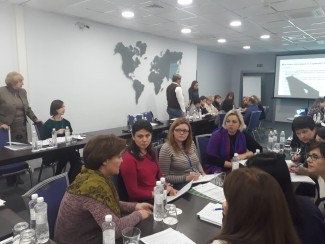
Substance Use among Women and Children in Afghanistan: The Complexities of an Important Public Health Issue
National surveys of substance use among those living in Afghanistan show multiple substances are easily accessible and commonly used in combination. Substance use in Afghanistan is complex, compounded
by the fact that almost half (48%) of...
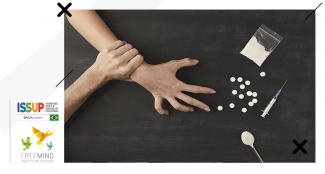
Drugs: a complex problem. Prevention: the only way!
Drugs are problems that integrate virtually all contemporary societies, causing great social and economic impacts. In Brazil, illicit drugs also finance crime and violence, so their fight remains a huge challenge for our country.
Most...
Association of Educational Attainment and Race/Ethnicity With Exposure to Tobacco Advertisement Among US Young Adults
Key Points
Question: What are the associations of educational attainment with exposure to tobacco advertisements among racial/ethnic groups of young adults?
Findings: This cross-sectional study among 6700 US young adults found a weaker...
Toolkit for Children on Parental Addiction
When a family member struggles with addiction, the whole family struggles. Children often think it’s their fault; they feel shame, embarrassment, guilt, and loneliness; they may feel invisible. It takes special effort to start important...
OBID interviews researcher Sanela Talic
What is prevention?
I think the definition of "prevention science" by the Academic Science for Prevention Network (SPAN) fully encompasses the role of this field. It is a very rich field in terms of combining and using knowledge from many...
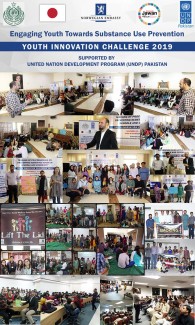
Engaging Youth in Substance Use Prevention (EYTSUP) - 2019/2020
To educate and train professionals and students on preventing their societies from the hazardous effects of substance use.
Key Achievements During Project
-
It was initially intended to invite 20 professionals from...
Prescription Opioid Use among Military Veterans
There is growing concern about levels of opioid misuse amongst military veterans. Conditions, such as PTSD, brain injury, and chronic pain, elevate the risk among this population.
In a recent study, conducted by psychology professor Kaston...

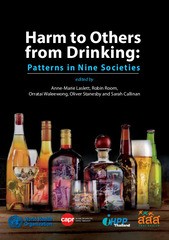
Harm to Others from Drinking: Patterns in Nine Societies
The adverse impact of alcohol consumption include the negative consequences of drinking on individuals other than the drinkers themselves, including both health and social problems. Alcohol’s harm to others (HTO) is an interactional...
Alcohol-Related Deaths Increasing in the United States
There has been a steady rise in deaths caused by alcohol, according to a study by researchers at the National Institute on Alcohol Abuse and Alcoholism (NIAAA), part of the National Institutes of Health.
The research examined U.S. death...
National, Regional, and Global Burdens of Disease Linked to Alcohol Use
Alcohol use continues to be one of the leading risk factors for the global burden of disease. This is despite growing awareness of the harm alcohol has the potential to cause and many worldwide initiatives and campaigns to tackle the issue...
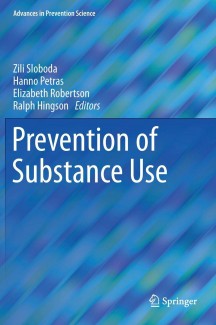
Prevention of Substance Use
This volume provides a serious examination of substance use prevention research and practices as components of the continuum from health promotion through to prevention and health care in sub-groups and in the general population.
Extensive...
Monthly Newsletter December - 2019
Monthly Newsletter December - 2019
During this month, Drug Free Pakistan Foundation (DFPF) was invited to speak by several organizations and universities on substance use prevention and especially the role of youth in preventing substance...

National, Regional, and Global Burdens of Disease from 2000 to 2016 Attributable to Alcohol Use: A Comparative Risk Assessment Study
Open Access article
Abstract:
Background
Alcohol use has increased globally, with varying trends in different parts of the world. This study investigates gender, age, and geographical differences in the alcohol-attributable burden of...
Scaife Medical Student Fellowship in Substance Use Disorders
With the generous support of the Scaife Family Foundation, the Institute for Research, Education and Training in Addictions (IRETA) is able to conduct this specialised program.
The program offers medical students an intensive learning...
Commission on Alcohol Harm
The Alcohol Health Alliance UK (AHA) is supporting a Commission on Alcohol Harm, consisting of a panel of varied experts.
The Commission on Alcohol Harm has been established to examine the current evidence on alcohol harm, recent trends in...
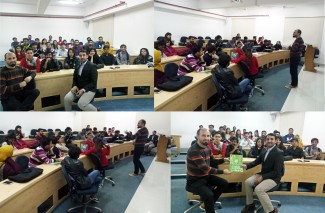
Substance Use Prevention Session at IQRA University EDC Campus Karachi, Pakistan
A Guest Speaker session was organized by teaching faculty for the students of Media Science on 28th December, 2019 at IQRA University EDC Karachi Campus. Mr. Ahmad Shah led the session and educated students on Substance Use Prevention and...
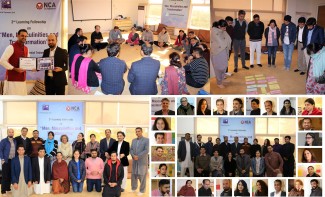
2nd Learning Fellowship Training on "Men, Masculinities and Transformation"
2nd Learning Fellowship on "Men, Masculinities and Transformation" was held in Islamabad, Pakistan from 9th - 20th December, 2019. Fellows from Academia, Media and NGOs from different parts of Pakistan discussed Intersectionality of...
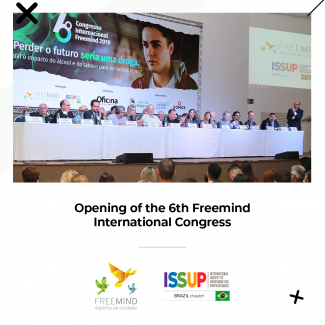
Opening Ceremony of the 6th Freemind International Congress
The 6th Freemind International Congress, organized by the Freemind Mobilization and ISSUP Brazil, was held in the city of Águas de Lindóia / SP, Brazil from December 4th to 7th, 2019.
The event was held at Hotel Majestic, which has one of...
Association between E-Cigarette Use and Depression in the Behavioral Risk Factor Surveillance System, 2016-2017
Key Points
Question: What is the association between electronic cigarette (e-cigarette) use and depression?
Findings: In this cross-sectional study of 892 394 participants in the Behavioral Risk Factor Surveillance System from 2016 to...
UNODC and WHO Organize International Training on Substance Use Treatment and Care during Pregnancy
Kyiv (Ukraine), 18 December 2019 - The United Nations Office on Drugs and Crime (UNODC) jointly with the World Health Organization (WHO) in the framework of the UNODC-WHO Programme on Drug Dependence Treatment and Care, organized an...