


تلاش
 Treatment
The range of medical, psychological, and social services designed to help individuals reduce or stop substance use and manage substance use disorders. Treatment may include assessment, counselling and behavioural therapies, medication-assisted treatment, withdrawal management, and support for co-occurring mental or physical health conditions. Effective treatment is typically person-centred and evidence-informed, and may be provided in outpatient, community, or residential settings. Treatment aims to improve health and functioning, reduce substance-related harms, and support individuals in moving toward recovery and long-term wellbeing.


Role of Nurses in Alcohol and Drug Treatment Services
This resource describes the many potential roles of nurses in alcohol and drug treatment in England to help commissioners and providers of specialist adult alcohol and drug treatment services to recruit the right workforce to meet local...
Effects of Naltrexone on Alcohol Self-Administration and Craving
Abstract
Randomized clinical trials have established the efficacy of naltrexone for reducing quantity of alcohol consumption and incidence of relapse to heavy drinking. To evaluate putative treatment mechanisms, human laboratory studies...
Addiction Training in Clinical Psychology: Does It Meet the Demand?
Clinical psychology is particularly well suited to offering a multifaceted response in order to help those living with a substance use disorder. A new study published in the academic journal American Psychologist investigates the extent to...
Effectiveness Bank Drug Treatment Matrix: Creating a Lifesaving Treatment and Harm Reduction System
Online course moves on to the whole-system level, where treatment and harm reduction services working in synergy are the best hope for reversing the hepatitis C epidemic - but can any feasible local or national system succeed in this...
Engagement within a Mobile Phone-Based Smoking Cessation Intervention for Adolescents
ABSTRACT
Background: Although mobile phone-delivered smoking cessation programs are a promising way to promote smoking cessation among adolescents, little is known about how adolescents might actually use them.
Objective: The aim of this...
Novel Vaccines against Morphine Heroin
SUMMARY
Drug addiction is one of the most important health problems worldwide. This pathology results in the death of about 500,000 individuals annually around the globe. Despite this scenario, the development of effective drug therapies...
Demographic and Mental Health Characteristics of Individuals who Present to Community Health Clinics with Substance Misuse
Abstract
Introduction:
Community health clinics (CHCs) are an opportune setting to identify and treat substance misuse. This study assessed the characteristics of patients who presented to a CHC with substance misuse.
Methods:
Perso...
The Opioid Epidemic: From Evidence to Impact
EXECUTIVE SUMMARY
While prescription opioids serve an invaluable role for the treatment of cancer pain and pain at the end of life, their overuse for acute and chronic non-cancer pain as well as the increasing availability of heroin and...
Beyond Beds: The Vital Role of a Full Continuum of Psychiatric Care
Summary
Nearly 10 million individuals in the United States are estimated to live with a diagnosable psychiatric condition sufficiently serious to impair their personal, social and economic functioning. Hardly a day goes by without a study...
Determining Counselling Communication Strategies Associated with Successful Quits in the 'Stop Smoking Programme' in East London
Abstract
Objectives: To determine communication strategies associated with smoking cessation in the National Health Service community pharmacy Stop Smoking programme.
Setting: 11 community pharmacies in three inner east London boroughs.
...Cognitive Complexity of Clients and Counsellors during Motivation-Based Treatment for Smoking Cessation
Abstract
Objective: Motivational interviewing (MI) is a widely used and promising treatment approach for aiding in smoking cessation. The present observational study adds to other recent research on why and when MI works by investigating a...
Regressive or Progressive? The Effect of Tobacco Taxes in Ukraine
ABSTRACT
Tobacco taxes are usually considered regressive as the poorest individuals allocate larger shares of their budget towards the purchase of tobacco related products. However, because these taxes also discourage tobacco use, some of...

Ending the Opioid Crisis: A Practical Guide for State Policymakers
BACKGROUND
Although the opioid epidemic is a national issue, states shoulder the majority of the financial and social burden caused by addiction. Fortunately, there are many actions that states can take to effectively address the opioid...
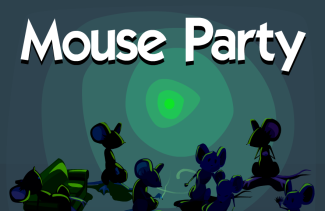
Mouse Party - The Brain on Drugs
This interactive game lets you look into the brain of mice under the influence of different drugs. You can study the different brain mechanisms that are triggered with various common illicit substances.
Licit and Illicit Substance Use Patterns among University Students in Germany Using Cluster Analysis
Abstract
Background
The use of multiple licit and illicit substances plays an important role in many university students’ lives. Previous research on multiple substance use patterns of university students, however, often fails to examine...
Efficacy and Safety of Cannabinoid Oromucosal Spray for Multiple Sclerosis Spasticity
Abstract
Background: The approval of 9-δ-tetrahydocannabinol and cannabidiol (THC:CBD) oromucosal spray (Sativex) for the management of treatment-resistant multiple sclerosis (MS) spasticity opened a new opportunity for many patients. The...
The Effectiveness of Injectable Extended-Release Naltrexone vs Daily Buprenorphine-Naloxone for Opioid Dependence
Key Points
Question: Are monthly intramuscular injections with extended-release naltrexone hydrochloride as effective as daily oral buprenorphine–naloxone hydrochloride in reducing the use of heroin and other illicit substances in newly...
Illicit Drug Use, Illicit Drug Use Disorders, and Drug Overdose Deaths in Metropolitan and Nonmetropolitan Areas — United States
Abstract
Problem/Condition: Drug overdoses are a leading cause of injury death in the United States, resulting in approximately 52,000 deaths in 2015. Understanding differences in illicit drug use, illicit drug use disorders, and overall...
Effectiveness Bank Drug Treatment Matrix: Going with the Grain; Organisation, Ethos and Harm Reduction
On-line course moves up to the level of the organisation and its influence on drug-related harm. Learn how in methadone clinics and needle exchanges, misguided ‘good intentions’ placed service users at risk. A possible rule of thumb emerges...
Unmet Treatment Needs for People with Mental Health and Substance Use Disorders
In the US, less than 10% of adults with co-occurring mental health problems and substance use disorders get treatment for both. 50% do not receive treatment for either.
This highlights the vast discrepancy between the prevalence of co...